What Is IoT A Simple Explanation for Non-Tech People
Understand what IoT means in simple terms. Explore Internet of Things examples, how smart devices work, benefits, challenges, and why IoT.
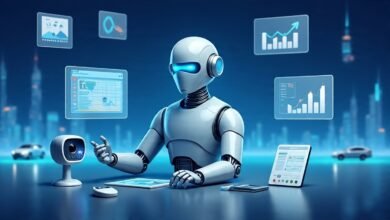
Have you ever wondered what connects your smartwatch to your smartphone, or how your smart thermostat knows when to heat your home? The answer lies in a transformative technology called the Internet of Things, abbreviated as IoT. While the term might sound intimidating or overly technical, the concept behind it is remarkably straightforward and increasingly woven into our daily lives. The Internet of Things represents one of the most significant technological shifts of our era, fundamentally changing how we interact with devices and our environment.
Whether you realize it or not, you’re likely already using multiple IoT devices every single day. This comprehensive guide is designed specifically for non-technical people who want to understand what IoT technology actually means without getting lost in complicated jargon. We’ll break down the concept into digestible, everyday language that anyone can understand. From smart home devices that automate your living space to connected devices that track your health, Internet of Things applications are revolutionizing how we live and work.
By the end of this article, you’ll have a clear of what IoT is, discover practical real-world IoT examples, understand the significant benefits these technologies offer, become aware of potential challenges, and grasp why this connected device revolution matters for your future. Whether you’re a business owner, a homeowner, or simply someone curious about modern technology, this guide will equip you with the knowledge you need to navigate our increasingly connected world with confidence.
What Exactly Is IoT? The Basics
At its most fundamental level, the Internet of Things refers to ordinary physical objects that have been enhanced with sensors, computer processors, and internet connectivity, enabling them to collect, process, and share data without requiring constant human intervention. The IoT definition might sound complex, but think of it this way: traditionally, devices were “dumb”—they could only perform the specific tasks you manually told them to perform. Your old refrigerator simply kept food cold. Your traditional thermostat required you to adjust it manually. Your lamp could only be turned on or off using a physical switch. However, IoT devices are different.
They’re “smart” because they contain embedded technology that allows them to gather information from their surroundings, communicate with other devices and systems, and make intelligent decisions autonomously. The term “Internet of Things” was first coined by computer scientist Kevin Ashton in 1999 while working at Procter & Gamble. He envisioned small packets of data flowing between interconnected devices to automate and integrate everything from household appliances to entire manufacturing facilities. Today, this vision has become reality. According to recent research, approximately 17 billion IoT devices were connected as of October 2024, and this number continues to grow exponentially.
These connected devices aren’t limited to computers or smartphones. The IoT ecosystem encompasses virtually any physical object that can be equipped with sensors, connectivity, and software. This might include appliances, vehicles, wearables, industrial equipment, agricultural machinery, medical devices, and even city infrastructure. What unites all these diverse smart devices is their shared ability to transmit and receive data through wireless or wired networks, functioning as an interconnected ecosystem that operates with remarkable autonomy.
The Core Components: How Do IoT Systems Work?
How IoT works requires breaking down the system into its fundamental building blocks. Every functioning IoT system typically consists of three essential components working in harmony. The first component is the IoT device itself—this is the physical device equipped with sensors and processors. These sensors are the “eyes and ears” of the system, continuously measuring various environmental factors. A smart thermostat, for instance, contains temperature sensors that constantly monitor your home’s current temperature. A fitness wearable includes motion sensors, heart rate monitors, and GPS trackers.
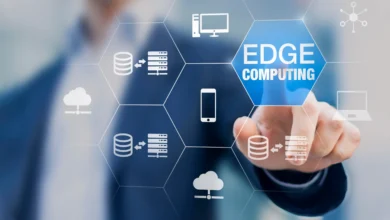
The second component is the network connection—this is how data travels from the device to processing centers. This connectivity layer might use various technologies, including Wi-Fi, Bluetooth, 5G, LTE cellular networks, RFID (Radio Frequency Identification), or NFC (Near Field Communication). The third essential component is the cloud platform or edge computing system, where data is received, stored, analyzed, and processed.
This backend infrastructure is where the real intelligence happens. When your smart home device sends data to the cloud, powerful servers analyze that information, identify patterns, and make decisions about how the device should respond. Let’s trace a practical example of IoT in action. Imagine you have a smart home security system. The device includes cameras and motion sensors that constantly monitor your property. When motion is detected, the sensors capture video and audio data. This raw information immediately transmits through your internet connection to cloud servers maintained by the security company.


The cloud system analyzes the footage, potentially using artificial intelligence to determine whether motion represents a genuine security threat or simply an animal passing by. Simultaneously, the system sends an alert notification to your smartphone, allowing you to view live video from anywhere in the world. If needed, you can speak through the device’s speaker to communicate with whoever is at your door. The entire process—from detection to your smartphone notification—occurs in mere seconds. This seamless coordination between hardware sensors, network connectivity, and cloud intelligence exemplifies how modern IoT infrastructure operates.
The system continuously learns from patterns in the data, becoming more intelligent and responsive over time. For instance, a smart thermostat doesn’t just measure temperature; it learns your schedule, preferences, and patterns. Over time, it predicts when you’ll want your home warmed or cooled and automatically adjusts the temperature before you even request it. This represents the power of connected device technology combined with machine learning algorithms.
Real-World IoT Examples That Reshape Our Daily Lives
Smart Home Technology and Home Automation
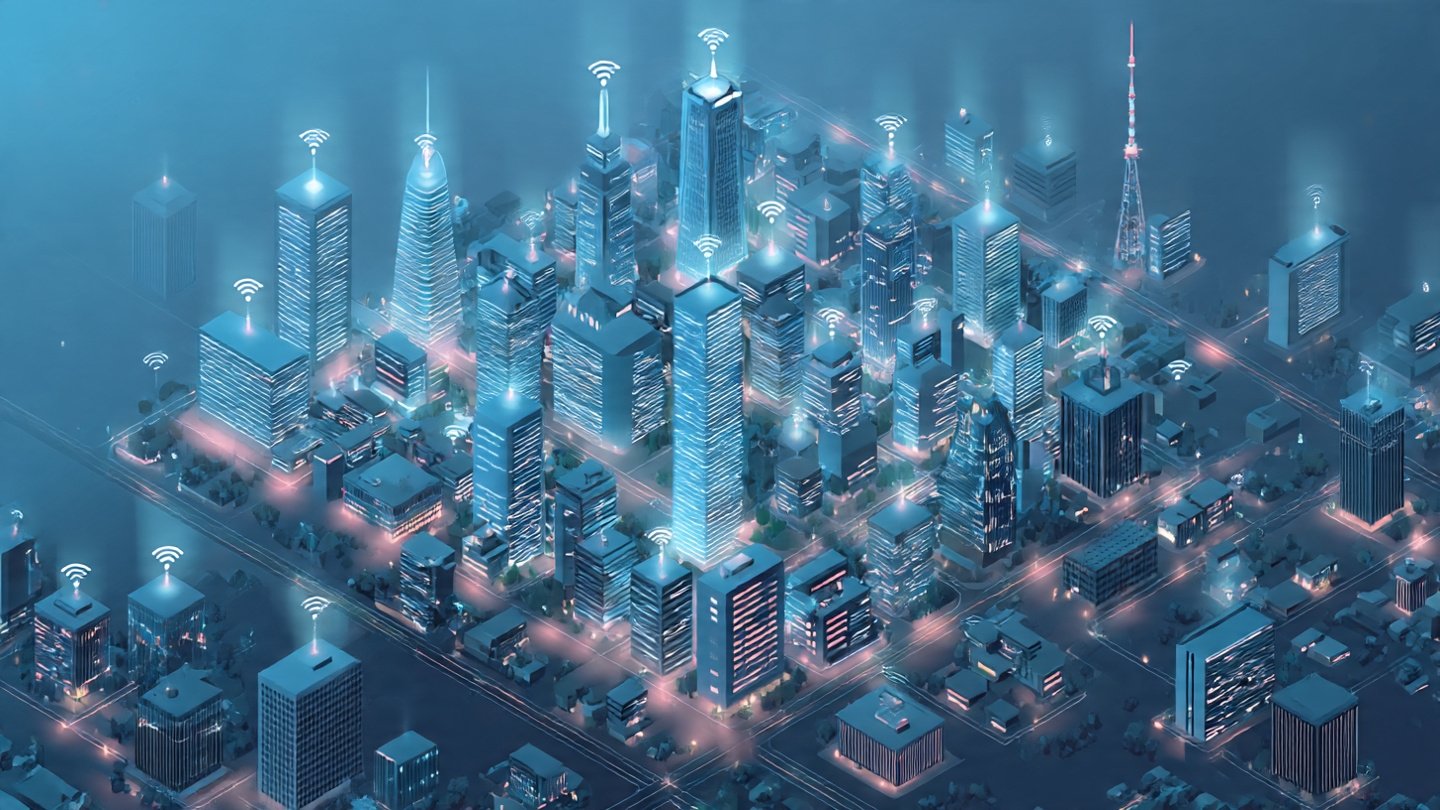
The consumer market’s most visible manifestation of Internet of Things technology appears in smart home devices. These connected home systems represent how IoT devices integrate into everyday residential life. When a person arrives home, their car could communicate with the garage to open the door, their thermostat could adjust to a preset temperature, and their lighting could be set to a lower intensity and color. Your smart home might include several interconnected home automation devices working together seamlessly. A smart lighting system enables you to control lights throughout your home using your smartphone, voice commands, or automated schedules.
These smart lights learn your patterns—turning on when you typically arrive home, brightening gradually in the morning, and dimming in the evening. Some smart light systems can adjust color temperature based on the time of day, promoting better sleep by reducing blue light exposure at night. Your smart thermostat represents another critical smart home device.
Unlike traditional thermostats requiring manual adjustment, a smart heating and cooling system learns your temperature preferences over weeks and months. It understands you prefer 72°F during work hours when no one is home, automatically raising the temperature to save energy. It knows your family prefers 70°F in the evening when everyone is present. It can even integrate weather forecasts, automatically adjusting temperature before a cold front arrives. Smart home security systems have become increasingly sophisticated through IoT technology.
Your smart door lock allows you to unlock your door remotely when someone needs access while you’re away. Smart security cameras provide continuous monitoring, sending alerts to your phone when motion is detected. Some systems integrate face recognition, distinguishing between family members, guests, and potential intruders. Smart speakers like Amazon Alexa or Google Home serve as central hubs that coordinate multiple smart home devices simultaneously.
Rather than controlling each device individually, you can use voice commands to orchestrate complex scenarios. Saying “Alexa, I’m leaving” might simultaneously lock your doors, arm your security system, adjust your thermostat to away mode, and turn off most lights while leaving one light on a timer to simulate occupancy. This level of automation and convenience simply wasn’t possible before IoT devices became mainstream.
Wearable Technology for Personal Health Monitoring
Wearable IoT devices represent the most intimate category of connected devices, directly interfacing with our bodies to monitor health and fitness. Wearable IoT technology like Fitbits and Apple Watches connect to other devices (like your smartphone) to share data. They typically also connect to the internet to track GPS locations. Your smartwatch continuously monitors your heart rate, step count, sleep patterns, calories burned, and stress levels throughout the day and night.
These health wearables don’t just passively record data; they actively analyze patterns and send proactive alerts. If your fitness tracker detects an abnormally elevated heart rate, it might suggest you take a break and relax. If it notices you’ve been sedentary for extended periods, it reminds you to move. Some advanced medical wearables can detect irregular heart rhythms (arrhythmia) and alert you to seek medical attention, potentially preventing serious health events.
People managing chronic conditions increasingly rely on connected health devices. Diabetics use smart glucose monitors that automatically transmit blood sugar readings to their smartphones and to their doctors. Hypertensive patients wear connected blood pressure monitors that track readings over time. This continuous data stream allows healthcare providers to spot concerning trends early, adjust medications proactively, and prevent hospitalizations.
The shift from periodic doctor visits with a single blood pressure reading to continuous monitoring through IoT health technology represents a fundamental transformation in preventive healthcare. Your smartphone itself functions as a central hub for wearable IoT devices, receiving data and enabling you to review comprehensive health reports. Many health apps now integrate data from multiple wearables and smart devices, providing holistic views of your wellness encompassing fitness, sleep, stress, and nutrition. This integration of Internet of Medical Things into everyday wearable devices democratizes healthcare monitoring, making detailed health tracking accessible to everyone rather than just patients in clinical settings.
Connected Vehicles and Intelligent Transportation
The automotive industry has been revolutionized by IoT connectivity. Modern connected cars are essentially computers on wheels, constantly collecting and sharing data. Your smart vehicle monitors engine performance, fuel efficiency, tire pressure, and countless other metrics continuously. If a potential mechanical issue develops, your car doesn’t wait for a warning light to fail; it proactively alerts you to schedule maintenance. Some connected vehicles can even diagnose problems remotely, sending detailed information to your dealership so technicians can prepare the right parts before you arrive. Internet of Things integration in cars extends beyond maintenance.
Many IoT automotive systems provide real-time traffic updates, automatically rerouting you around congestion. Some connected cars communicate with smart city traffic systems, providing data about traffic flow while receiving alerts about accidents or hazards ahead. Connected cars can optimize their own operation, with maintenance and comforts designed to enhance the experience of passengers and drivers. Many prominent auto manufacturers, such as Tesla, Jeep, and BMW, have developed connected cars. As autonomous vehicle technology develops, IoT in transportation will become even more critical.
Self-driving cars represent the ultimate expression of Internet of Things principles—vehicles constantly collecting data from sensors, communicating with infrastructure and other vehicles, and making driving decisions based on real-time information. This connected transportation future promises to reduce traffic accidents significantly, as automated systems make decisions faster and more reliably than human drivers.
IoT in Healthcare and Medical Applications
Healthcare represents one of the most consequential sectors for the Internet of Medical Things (IoMT). Hospitals and clinics deploy sophisticated IoT health devices for remote patient monitoring. A patient recovering at home after surgery can wear a connected health monitor that continuously tracks vital signs—heart rate, blood pressure, oxygen saturation, temperature—transmitting this data to their healthcare provider’s systems. If any vital sign deviates from normal ranges, the system automatically alerts medical staff, enabling rapid intervention before a minor issue becomes a medical emergency. For chronic disease management, IoT healthcare devices enable continuous monitoring impossible through traditional periodic doctor visits.
A cardiac patient with a smart pacemaker can have device function monitored continuously, with data transmitted wirelessly to their cardiologist. If the pacemaker detects irregular rhythms, it automatically makes adjustments and alerts the physician. This IoT medical application has proven to reduce emergency hospitalizations and improve patient outcomes. Hospitals use connected hospital devices to track equipment location and maintenance status in real-time.
A hospital with hundreds of medical devices can instantly locate needed equipment, reducing time wasted searching for equipment and improving operational efficiency. IoT hospital management systems track medication inventory, preventing both wasteful overstocking and dangerous shortages. This level of IoT in healthcare integration has transformed how modern medical facilities operate, improving patient safety while reducing costs.
Industrial IoT and Manufacturing Excellence
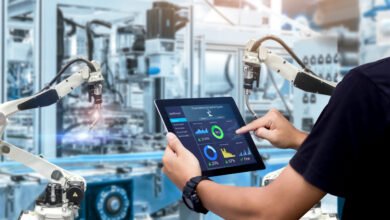
Industrial applications represent the largest segment of the IoT market. Commercial asset tracking and fleet management represent the largest single application of IoT, accounting for 22% of the total market, driven by the need to monitor mobile assets like vehicles and shipping containers. Manufacturing facilities extensively use Industrial IoT (IIoT) to optimize production processes. Factories deploy IoT sensors throughout their facilities, constantly monitoring equipment performance, energy consumption, production speed, and product quality. Rather than waiting for equipment to fail unexpectedly, causing costly downtime, predictive maintenance using IoT sensors identifies problems before they cause failures. A bearing might show subtle changes in temperature and vibration weeks before it would fail.
IoT predictive maintenance systems identify these early warning signs, allowing maintenance teams to replace the bearing during scheduled downtime rather than experiencing emergency equipment failure during peak production. This saves manufacturers enormous sums by eliminating unexpected downtime. IoT in manufacturing also optimizes energy consumption. Sensors monitor power usage in real-time, identifying inefficiencies and waste. Facilities can reduce energy costs significantly by knowing exactly where and how electricity is consumed.
Supply chain IoT enables companies to track products from raw materials through final delivery to customers. Shipping containers equipped with IoT tracking devices provide continuous location data, temperature monitoring (critical for perishables), and condition monitoring. If a refrigerated container’s temperature rises above safe ranges, the system immediately alerts logistics managers, allowing corrective action before cargo spoils.
Smart Agriculture and Food Production
Agricultural applications of IoT technology are transforming food production. Farmers deploy IoT sensors throughout their fields to monitor soil conditions, moisture levels, nutrient content, air temperature, and weather patterns. Connected farming equipment, including tractors and irrigation systems, communicates with centralized systems that optimize resource usage. Rather than irrigating entire fields uniformly, precision agriculture using IoT data applies water exactly where and when needed, dramatically reducing water waste while improving crop yields.
Smart livestock management uses IoT wearables for animals—collars or ear tags equipped with sensors and GPS tracking. Farmers can monitor each animal’s location, health status, activity levels, and feeding patterns. Early detection of illness through activity changes or health indicators enables rapid veterinary intervention, preventing disease spread and reducing losses. This IoT in agriculture integration represents a crucial development as global food demand increases and water becomes increasingly scarce in many regions.
Significant Benefits of Internet of Things Technology
Enhanced Convenience and Lifestyle Improvements
The most immediate and obvious benefit of IoT devices for consumers is convenience. Tasks that previously required manual intervention now occur automatically. Your smart home adjusts temperature and lighting without you thinking about it. Your fitness wearable tracks health metrics passively while you go about your day. Your connected car maintains itself and alerts you to potential problems. This automation saves countless hours annually that would otherwise be spent on mundane tasks.
Energy Efficiency and Substantial Cost Savings
IoT devices dramatically reduce energy consumption and associated costs. Smart home systems optimize heating, cooling, and lighting based on actual usage patterns rather than guesses about when you’ll need them. Studies show homes using comprehensive smart thermostat systems save 10-15% on heating and cooling costs. IoT industrial applications achieve similar efficiency gains in manufacturing facilities. The financial savings extend beyond energy to reduced maintenance costs through predictive maintenance, reduced water usage through precision agriculture, and reduced spoilage through supply chain tracking.
Improved Safety and Security
IoT security devices provide unprecedented visibility and control over property safety. Smart cameras and connected sensors enable real-time monitoring from anywhere globally. Smart locks allow emergency responders or trusted individuals to access properties without requiring physical keys. In industrial settings, IoT safety monitoring tracks equipment conditions and worker behavior, preventing accidents before they occur. IoT medical devices detect health emergencies early, enabling rapid treatment. This proactive safety capability saves lives and prevents injuries.
Better Decision-Making Through Data Analytics
IoT devices generate enormous volumes of data that reveal patterns invisible to humans. Businesses analyze this big data to understand customer behavior, identify operational inefficiencies, predict equipment failures, and optimize processes. A retail store analyzing IoT foot traffic data can optimize store layouts to increase sales. A hospital analyzing IoT operational data can reduce patient wait times. A manufacturer analyzing IoT production data can identify quality issues and optimize processes. This data-driven decision-making improves outcomes across every sector.
Increased Productivity and Operational Efficiency
By automating routine tasks and optimizing processes, IoT systems dramatically increase productivity. Manufacturing facilities complete more production with fewer resources. Healthcare facilities serve more patients with the same staff levels. Farms produce more food with less labor and fewer resources. Offices operate more efficiently with smart workplace systems that optimize lighting, temperature, and equipment availability. This productivity improvement directly impacts profitability and competitiveness.
Serious Challenges and Concerns Worth
Privacy and Security Vulnerabilities
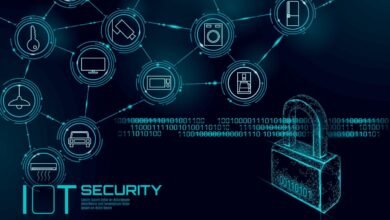
Every IoT device represents a potential security risk. These devices collect intimate data about your home, health, and behavior. Due to their interconnected nature, IoT devices are vulnerable to security breaches and privacy concerns. Hackers targeting IoT systems could potentially access your personal data or take control of your devices. A compromised smart home device might allow unauthorized individuals to unlock your door or disable your security system.
Compromised medical IoT devices could provide hackers access to sensitive health information or even enable them to modify device function dangerously. Many IoT device manufacturers prioritize affordability over robust security features, creating vulnerabilities. The sheer number and diversity of connected devices make security extremely challenging. Manufacturers must constantly release security updates, but many users don’t apply updates promptly or at all, leaving devices vulnerable to known exploits.
Data Management and Storage Complexity
The astronomical volume of data generated by billions of IoT devices creates unprecedented management challenges. A broad array of networking standards ensures that the data is then sharable and reaches the correct ‘thing,’ thereby connecting the physical world with the digital. Storing, processing, and analyzing this data requires enormous cloud infrastructure investments. Companies must develop sophisticated algorithms to extract meaning from massive data streams. The cost of managing this big data can be substantial, particularly for smaller organizations.
Lack of Standardization and Compatibility Issues
Currently, no universal standards govern how IoT devices from different manufacturers interact. One company’s smart home devices might use different connectivity protocols and platforms than another company’s products, making true integration difficult. This fragmentation forces consumers to choose devices from compatible ecosystems—Apple’s HomeKit, Amazon’s Alexa, or Google’s Home platforms—rather than freely mixing devices from different manufacturers. This lack of standardization in IoT protocols slows innovation and limits consumer choice.
High Initial Investment and Complexity
Building comprehensive smart home systems or enterprise IoT deployments requires substantial upfront investment. Quality smart devices aren’t cheap, and homeowners typically need multiple devices working together for meaningful benefit. The technical complexity of setting up and maintaining IoT systems intimidates many non-technical users. Integration challenges and compatibility issues can make implementation frustrating and time-consuming.
The Promising Future of Internet of Things Technology
The IoT market continues to expand at a remarkable rate. As of October 2024, there are around 17 billion IoT devices, and industry projections suggest continued explosive growth. Emerging technologies will accelerate this expansion. 5G connectivity will enable faster data transmission and reduced latency, enabling new IoT applications impossible with current network speeds. Artificial intelligence integration into IoT systems will enable devices to make increasingly sophisticated decisions autonomously. Edge computing—processing data locally on devices rather than sending everything to distant clouds—will reduce latency and improve privacy. Smart cities represent a major frontier for IoT deployment.
Cities worldwide are installing IoT sensors to optimize traffic flow, reduce pollution, manage water systems, reduce energy consumption, and improve public safety. Autonomous vehicles communicating with infrastructure and other vehicles through IoT connections will transform transportation. The convergence of IoT, artificial intelligence, and machine learning will create systems of remarkable sophistication and capability. Rather than simply collecting data, future IoT systems will analyze that data in real-time, make autonomous decisions, adapt to changing circumstances, and continuously learn and improve. The potential seems limitless as Internet of Things technology matures and integrates with other emerging technologies.
More Read: IoT in Agriculture Smart Sensors for Precision Farming
Conclusion
The Internet of Things represents one of the defining technological transformations of our era, fundamentally reshaping how devices interact, how businesses operate, and how we experience daily life. What began as a simple concept—connecting ordinary physical objects to the internet—has evolved into a vast ecosystem of billions of smart, connected devices improving efficiency, convenience, safety, and human wellbeing across every sector of society.
From your home, where smart devices automatically adjust temperature and monitor security, to your wrists, where wearable technology tracks health metrics continuously, to hospitals, where IoT medical devices enable remote patient monitoring, to factories, where predictive maintenance prevents costly equipment failures, Internet of Things applications are already dramatically reshaping our world.
While legitimate concerns about privacy, security, standardization, and complexity deserve serious consideration, the benefits of IoT technology for individuals and organizations are enormous and continue expanding. As technologies like 5G connectivity, artificial intelligence, and edge computing mature and integrate with IoT systems, we can expect even more innovative and transformative connected device applications to emerge. how the Internet of Things works and recognizing both its tremendous benefits and serious challenges positions you to navigate this connected future wisely and make informed decisions about which IoT technologies and devices to adopt in your personal life, business, or healthcare management.