Smart Home Devices Worth Buying in 2026
Discover the best smart home devices in 2026. Expert guide covering smart speakers, security cameras, thermostats & automation gadgets worth.

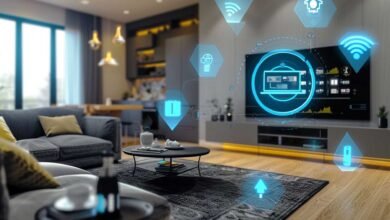
The landscape of residential living has undergone a dramatic transformation, and smart home devices have become central to modern convenience, security, and energy efficiency. By 2026, the global smart home market is projected to reach unprecedented levels, with over 85 million connected homes in the United States alone. What was once considered a futuristic luxury for tech enthusiasts has evolved into an essential investment for homeowners seeking to simplify their daily routines and protect their properties. Whether you’re a newcomer exploring home automation for the first time or an experienced tech enthusiast expanding your existing ecosystem, knowing which smart devices offer genuine value is crucial.
The proliferation of innovative technologies means that not all smart home products deliver the promised benefits—some are genuinely transformative, while others merely add complexity without meaningful advantage. This comprehensive guide navigates the 2026 marketplace, examining the most worthwhile connected devices across multiple categories. We’ve analyzed industry trends, tested real-world performance, and identified which smart home technology investments will truly enhance your living experience.
From intelligent climate control systems that learn your preferences to advanced home security devices with AI-powered threat detection, we’ll explore solutions that address the primary concerns of modern homeowners: security, comfort, energy conservation, and convenience. By the capabilities, integration options, and practical applications of each category, you can build a cohesive smart home ecosystem that works seamlessly with your lifestyle while maximizing your return on investment.
Smart Home Technology in 2026
The concept of home automation technology has evolved significantly from its early iterations. Today’s smart home ecosystem represents a sophisticated convergence of artificial intelligence, cloud computing, and interconnected IoT devices designed to work harmoniously. The defining characteristic of 2026’s smart home systems is their emphasis on interoperability—devices from different manufacturers now communicate through standardized protocols, eliminating the fragmentation that plagued earlier implementations. Machine learning algorithms power these systems, enabling smart devices to understand household patterns and anticipate needs before residents explicitly request them.
Modern home automation solutions prioritize user experience by reducing setup complexity and creating intuitive control interfaces. The integration of voice assistants—powered by advanced natural language processing—has made smart home control accessible to users regardless of technical expertise. Security and privacy have also matured considerably, with most reputable manufacturers now implementing end-to-end encryption and on-device processing for sensitive data. These foundational elements help you evaluate which smart home gadgets will genuinely integrate with your existing setup and support your long-term automation goals.
Best Smart Speakers for Voice-Controlled Automation
Smart speakers have evolved into sophisticated command centers for your smart home environment. These voice-activated devices serve as central hubs coordinating communications between multiple connected gadgets while providing entertainment and information on demand. The most capable smart speakers now deliver professional-quality audio suitable for music enthusiasts while maintaining their role as intelligence coordinators. Leading options include models with advanced microphone arrays that accurately recognize voice commands from across large rooms, even when competing background noise is present.
Premium smart speaker systems integrate seamlessly with major voice assistants, including Amazon Alexa, Google Assistant, and Apple Siri. When selecting smart home speakers, prioritize models offering robust connectivity, reliable voice recognition, and compatibility with your existing smart home devices. The best choices also feature visual feedback displays that confirm command recognition and provide weather, calendar, and notification information. Consider smart display devices that combine speaker functionality with touchscreen interfaces, enabling gesture-based control alongside voice commands. These voice-controlled hubs have become indispensable for managing home automation systems efficiently, particularly when coordinating complex smart home routines across multiple devices.
Smart Thermostats: Intelligent Climate Control
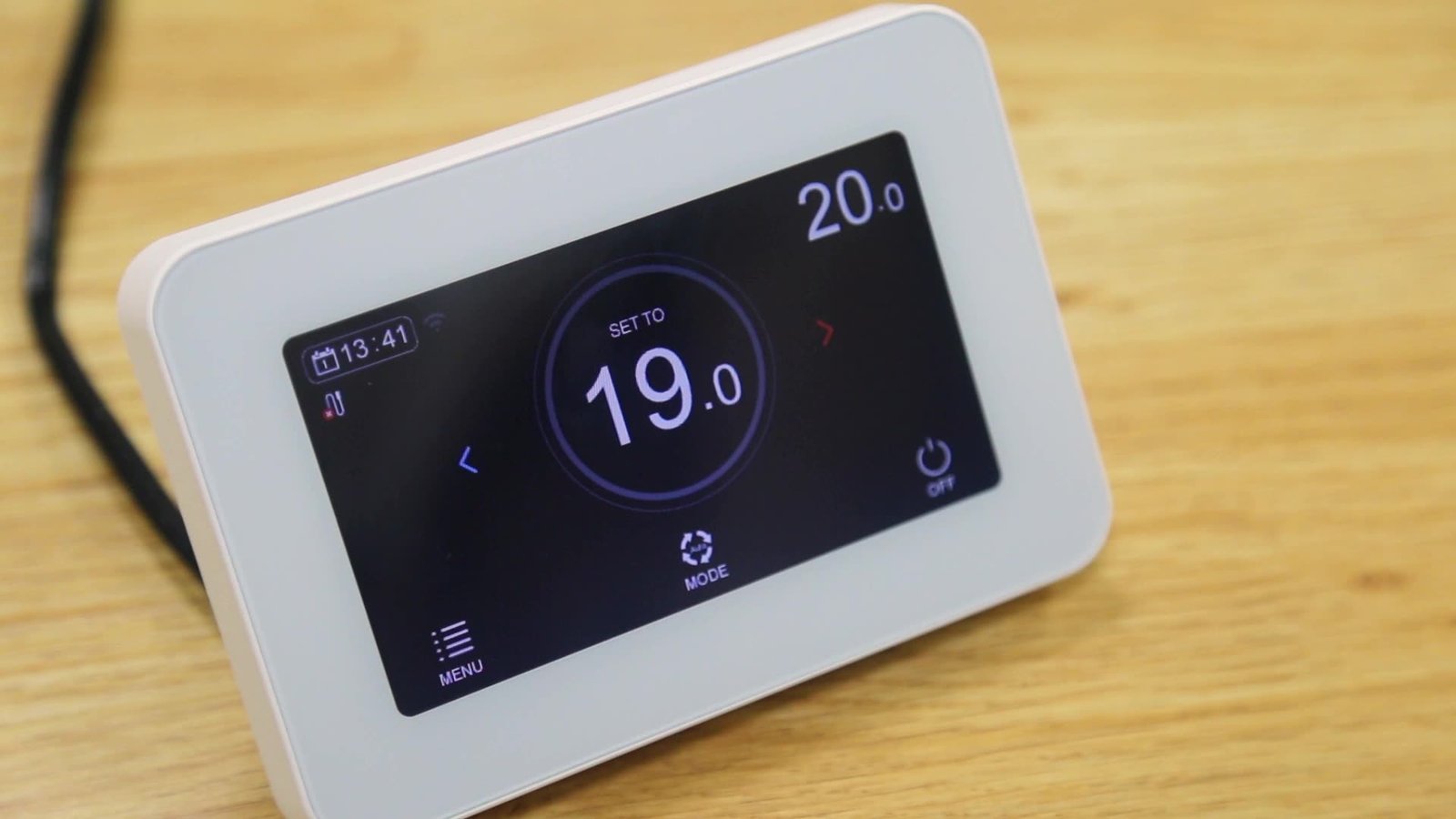
Smart thermostats represent one of the most impactful smart home investments for energy conservation and comfort optimization. These sophisticated temperature control devices utilize predictive algorithms to analyze weather forecasts, building insulation characteristics, and occupancy patterns, adjusting heating and cooling proactively rather than reactively. Modern smart thermostat systems feature room-by-room climate zoning capabilities, enabling customized temperature settings for different areas regardless of your HVAC system configuration.


Advanced models track heating and cooling consumption patterns, providing transparent cost estimates and actionable recommendations for reducing energy expenditure. Integration with renewable energy systems—particularly solar power installations—allows these smart temperature management devices to prioritize solar-generated electricity for heating needs. The self-learning capabilities of premium smart thermostat options mean the system becomes increasingly efficient over time, adapting to your household’s unique patterns and preferences. Installation compatibility varies by model, though many contemporary options work with existing infrastructure without requiring professional technician intervention.
Energy savings typically range from 10-15% annually, representing substantial long-term financial benefits. Programmable thermostats with remote access allow temperature adjustments from anywhere, preventing energy waste when traveling or working away from home. The combination of comfort optimization and measurable utility savings makes smart climate control systems essential components of any thoughtfully designed smart home setup.
Video Doorbells and Smart Locks: Enhanced Home Security
Home security has transformed fundamentally with the emergence of AI-powered security devices. Video doorbells equipped with advanced camera technology now provide crystal-clear footage at both day and night, with motion detection capabilities enabling proactive threat identification. Premium models feature facial recognition technology that distinguishes between household members, expected visitors, and potential threats. These smart doorbell cameras automatically send customized notifications based on visitor identification, reducing alert fatigue while ensuring you’re informed about genuinely suspicious activity.
Many contemporary video doorbell systems integrate with smart lock devices, creating seamless access control workflows. Residents can remotely unlock doors for authorized visitors, contractors, or delivery personnel without requiring keys or being physically present. Smart lock technology has matured considerably, offering biometric authentication options including fingerprint recognition and palm-print identification alongside traditional PIN entry.
The most sophisticated smart home security systems combine video surveillance, motion sensors, and smart locking mechanisms into unified ecosystems that communicate intelligently. Advanced algorithms analyze movement patterns, environmental changes, and historical threat data to identify genuine anomalies while minimizing false alarms triggered by pets, shadows, or weather variations. 24/7 monitoring capabilities provide peace of mind, with many systems offering cloud-based storage for footage review and remote playback functionality.
Security Cameras and Motion Sensors: Continuous Monitoring
Home security cameras have become increasingly sophisticated, offering comprehensive monitoring capabilities that extend far beyond basic video recording. Contemporary indoor security cameras deliver 2K resolution or higher, enabling precise identification of individuals and objects. Outdoor security cameras incorporate weatherproofing standards, night-vision technology, and wide-angle lens designs suitable for comprehensive property coverage. AI-enabled cameras automatically categorize detected movement, distinguishing between people, vehicles, and animals while filtering out irrelevant triggers.
This intelligent threat detection significantly reduces the false alert notifications that plague less sophisticated systems. Integration with smart alarm systems enables coordinated responses—automatically activating lights, alerting homeowners, and even triggering emergency services when genuine threats are detected. Motion sensor technology has advanced dramatically, now offering directional sensitivity that reduces false triggers from environmental factors. Many systems incorporate machine learning capabilities that adapt to your property’s unique characteristics, learning normal movement patterns to identify anomalies more accurately over time.
The combination of video recording with on-demand remote viewing capabilities ensures you can monitor your property from anywhere globally. Battery-powered options provide flexibility for installation without requiring extensive electrical infrastructure modifications. Consider systems offering cloud storage alongside local recording redundancy to ensure footage preservation even if primary systems are compromised.
Smart Lighting Systems: Energy Efficiency and Ambiance
- Smart lighting technology transcends simple on-off control, providing sophisticated illumination management that enhances both energy efficiency and living quality. Premium smart bulbs deliver a full-color spectrum adjustment, enabling homeowners to customize lighting for different activities and times of day. The circadian rhythm benefits of appropriately timed lighting—cooler tones in morning hours and warmer tones in evening—support natural sleep-wake cycles while reducing energy consumption.
- Smart light switches control existing fixtures without requiring individual bulb replacement, providing affordable entry points for smart lighting automation. Comprehensive lighting systems enable creating sophisticated home automation routines—automatically adjusting illumination when residents arrive home, during entertainment events, or as evening approaches. Motion-activated lighting provides convenience while reducing unnecessary energy usage in infrequently occupied areas. Integration with smart displays and voice assistants enables voice-controlled adjustments without searching for physical switches.
Energy monitoring capabilities reveal precisely how much each light contributes to your utility consumption, enabling informed decisions about replacement timing and usage patterns. Outdoor smart lighting options incorporate dawn-dusk sensors and motion triggers, providing security benefits while minimizing outdoor energy consumption. The aesthetic improvements provided by customizable smart lights—creating mood-appropriate ambiance for dining, entertainment, or relaxation—enhance quality of life beyond simple energy savings.
Smart Plugs and Energy Monitors: Power Management
- Smart plugs represent the most accessible entry point into smart home automation, transforming ordinary appliances into connected devices without requiring specialized installation. These connected outlets convert traditional lamps, coffee makers, fans, and entertainment equipment into voice-controlled systems. Individual smart plug devices monitor real-time power consumption, providing granular visibility into electricity usage patterns. Connecting multiple plugs to dedicated circuits enables sophisticated load management, preventing breaker trips and optimizing power distribution efficiency.
- Energy monitors provide household-level consumption tracking, displaying detailed breakdowns of how different appliances and circuits contribute to total electricity usage. This transparency enables informed decisions about appliance replacement timing, usage optimization, and investment prioritization for energy efficiency improvements. Advanced home energy management systems integrate consumption data with utility rate schedules, recommending operational timing adjustments that minimize peak-rate charges. Smart power strips extend the functionality of individual plugs, managing multiple devices simultaneously while providing surge protection and standby power management.
The ability to schedule device activation for off-peak electricity periods, when utility rates are lowest, can yield substantial cost reductions for energy-intensive appliances. Real-time power consumption alerts help identify unusual patterns—such as a refrigerator requiring more energy than typical—enabling proactive maintenance before major failures occur. The combination of granular consumption monitoring, time-based scheduling, and voice control makes smart plug systems essential components of any energy-conscious smart home setup.
Robot Vacuums: Autonomous Cleaning
Robotic vacuums have evolved from novelty gadgets into genuinely capable cleaning systems that handle routine floor maintenance autonomously. Contemporary robot vacuum technology incorporates sophisticated navigation systems, enabling these autonomous cleaning devices to map your home’s layout, identify obstacles, and optimize cleaning patterns for maximum efficiency. LiDAR sensors and advanced camera systems provide spatial awareness superior to older infrared-based models, resulting in more predictable and thorough floor coverage.
Premium robotic vacuum models include mopping functionality, enabling simultaneous floor washing and debris collection. Smart navigation enables these automated floor cleaners to identify areas requiring multiple passes while minimizing unnecessary repetition in already-clean spaces. Scheduling capabilities enable setting cleanup routines that occur automatically during specific times, even while residents are away. Dust collection has improved dramatically, with some models featuring onboard dust bins with enormous capacity, reducing the need for frequent emptying.
Integration with smart home ecosystems enables voice-controlled initiation—simply asking your assistant to start cleaning your living room without manually scheduling or monitoring. Battery management has become sophisticated enough that most contemporary models automatically return to charging stations when power diminishes, resuming cleaning after recharging. For households with pets, anti-hair-tangle brush designs and HEPA filtration systems are crucial features. The autonomy provided by robotic floor cleaners represents genuine time savings and convenience benefits that most households appreciate immediately.
Smart Thermostats and HVAC Integration
Advanced HVAC control systems integrate seamlessly with smart thermostat technology to provide unprecedented climate management sophistication. Modern systems leverage geofencing capabilities that detect when residents leave home, automatically adjusting temperatures to energy-saving levels before anyone departs. Similarly, reducing heating or cooling shortly before expected arrival times ensures comfortable conditions without unnecessary hours of conditioning empty spaces. Multi-zone temperature management enables setting different temperatures in separate areas simultaneously, accommodating varying preferences without requiring separate systems.
Smart humidity control works alongside temperature management, maintaining optimal moisture levels that enhance comfort while preventing conditions that favor mold or dust mite proliferation. Integration with renewable energy systems enables smart thermostats to prioritize solar-generated electricity for heating needs, reducing reliance on grid power and maximizing renewable energy utilization. These systems provide detailed energy reports revealing precisely how climate control contributes to total household consumption.
The substantial expense of HVAC systems makes optimizing their operation especially valuable. Contemporary smart thermostat options support voice control, mobile app management, and web-based access, enabling temperature adjustments from anywhere globally. Professional installation options ensure optimal configuration for your specific HVAC system, though many recent models support DIY installation for compatible systems.
Integrated Smart Home Hubs: The Central Nervous System
Effective smart home systems require sophisticated central control hubs coordinating communications between diverse devices from multiple manufacturers. These smart home management platforms utilize protocols like Matter, Z-Wave, and Zigbee to enable interoperability regardless of individual device manufacturers. Premium smart display hubs combine processing power with touchscreen interfaces, enabling both automated operations and manual controls simultaneously.
Mesh network capabilities ensure consistent wireless connectivity throughout your property, preventing dead zones that interrupt device communication. Voice assistant integration converts these hubs into primary interfaces for smart home control, enabling natural language commands across all connected devices. Cloud connectivity enables remote access and automation triggers based on location, time, or sensor data. Local processing options ensure critical functions operate even if internet connectivity is temporarily disrupted. The most capable smart home hubs learn household patterns, automatically suggesting automation routines aligned with identified behaviors.
These intelligent controllers serve as bridges between traditional infrastructure and advanced connectivity, future-proofing your smart home investment by supporting emerging standards and new device categories. Selecting an appropriate central smart hub essentially determines which devices, services, and automation capabilities your entire system can support long-term.
Water Leak Detectors: Proactive Damage Prevention
- Water damage ranks among the costliest household disasters, making smart water leak detection systems invaluable investments. Contemporary water leak sensors instantly notify homeowners when moisture is detected, enabling a rapid response that minimizes structural damage and prevents mold proliferation. Wireless sensor technology enables placing detectors throughout your property—under sinks, near water heaters, in basements, and other high-risk areas. Integration with smart water shut-off valves enables automatic system closure when leaks are detected, immediately halting water flow and preventing catastrophic damage.
- Real-time alerts ensure notification within seconds of leak detection, even if residents are away from home. Historical monitoring tracks moisture trends, identifying patterns that suggest emerging problems before they become critical. Professional installation options ensure strategic sensor placement, maximizing detection probability while minimizing false alarms. Many smart water systems provide multiple alert mechanisms—smartphone notifications, voice assistant announcements, and traditional alarms—ensuring notification even if one communication channel fails.
The relatively modest investment in water leak detection is justified by the thousands of dollars in potential damage prevention. Insurance companies increasingly offer premium discounts for homes with automated water shut-off systems, partially offsetting equipment costs. For properties with aging plumbing, multiple stories, or previous water damage history, water leak detection systems are essentially non-negotiable for responsible homeownership.
Environmental Sensors and Air Quality Monitoring
Indoor air quality profoundly affects respiratory health, comfort, and cognitive function—yet most households lack quantitative information about their air quality status. Contemporary air quality monitors measure particulate matter, volatile organic compounds, humidity levels, and CO₂ concentration. Smart environmental sensors automatically adjust ventilation systems based on monitored conditions, ensuring adequate fresh air circulation without unnecessary energy expenditure.
- Humidity control prevents conditions that favor mold while maintaining comfort and protecting furnishings. CO₂ monitoring reveals when fresh air circulation has become insufficient, triggering ventilation adjustments or alerts. Integration with smart air purifiers enables automatic activation when air quality deteriorates, and automatic deactivation when quality improves. Historical data tracking reveals how seasonal changes, occupancy patterns, and specific activities affect indoor environmental conditions. Many contemporary environmental monitoring systems include air purification integration, automatically adjusting filter replacement schedules based on actual air quality demands rather than arbitrary time intervals.
- Allergy-focused monitoring provides specialized tracking for households with household members experiencing respiratory sensitivities. The health benefits of optimized indoor air quality—improved sleep, reduced respiratory symptoms, enhanced cognitive function—extend far beyond simple comfort improvement, providing measurable well-being enhancements.
Smart Curtains and Automated Window Treatments
- Automated window coverings represent an underutilized category offering substantial comfort and energy efficiency benefits. Motor-controlled blinds and shades enable precise light management, supporting circadian rhythm alignment and glare reduction. Automated shading systems coordinate with temperature sensors, providing thermal insulation during cold periods and blocking solar heat during warm weather. Voice-controlled operation enables adjusting light and privacy without manually manipulating physical controls.
- Sunrise and sunset automation gradually opens shades as dawn approaches, naturally stimulating morning wakefulness while reducing artificial lighting needs. Conversely, automatically closing shades at dusk provides privacy while signaling evening to your circadian system. Weather-responsive automation closes shades during storms or high-wind conditions, protecting furnishings and reducing stress on motorized systems. Integration with security systems enables closing shades when homes are unoccupied, providing privacy while simulating occupancy for security purposes.
- Energy efficiency benefits rival smart thermostat performance, with properly timed shading reducing heating and cooling loads substantially. The elimination of manual adjustment requirements represents a significant convenience improvement, particularly for windows in hard-to-reach locations or extensive multi-window rooms. While representing a larger investment than most individual smart devices, automated window treatment systems provide integrated comfort, energy, privacy, and security benefits, justifying the expense.
Smart Doorbells with Package Detection
- Package security has become an increasingly critical concern as parcel delivery volumes surge. Advanced video doorbells now incorporate AI-powered package detection, automatically alerting homeowners when packages are delivered. Facial recognition distinguishes between recognized package delivery personnel and suspicious individuals attempting theft. Night-vision capability ensures package visibility regardless of delivery timing. Some systems integrate with delivery services, automatically creating time-sensitive, secure entry windows for trusted carriers.
- Two-way audio enables verbal communication with delivery personnel directly from your phone, requesting specific placement or package security instructions. Cloud storage integration ensures footage retention even if physical devices are damaged during security incidents. The proliferation of porch piracy makes smart doorbell security virtually essential for any residence receiving package deliveries. Integration with smart lock systems enables creating temporary access windows for deliveries, eliminating unsecured packages while maintaining maximum security.
Home Automation Routines and Scene Creation
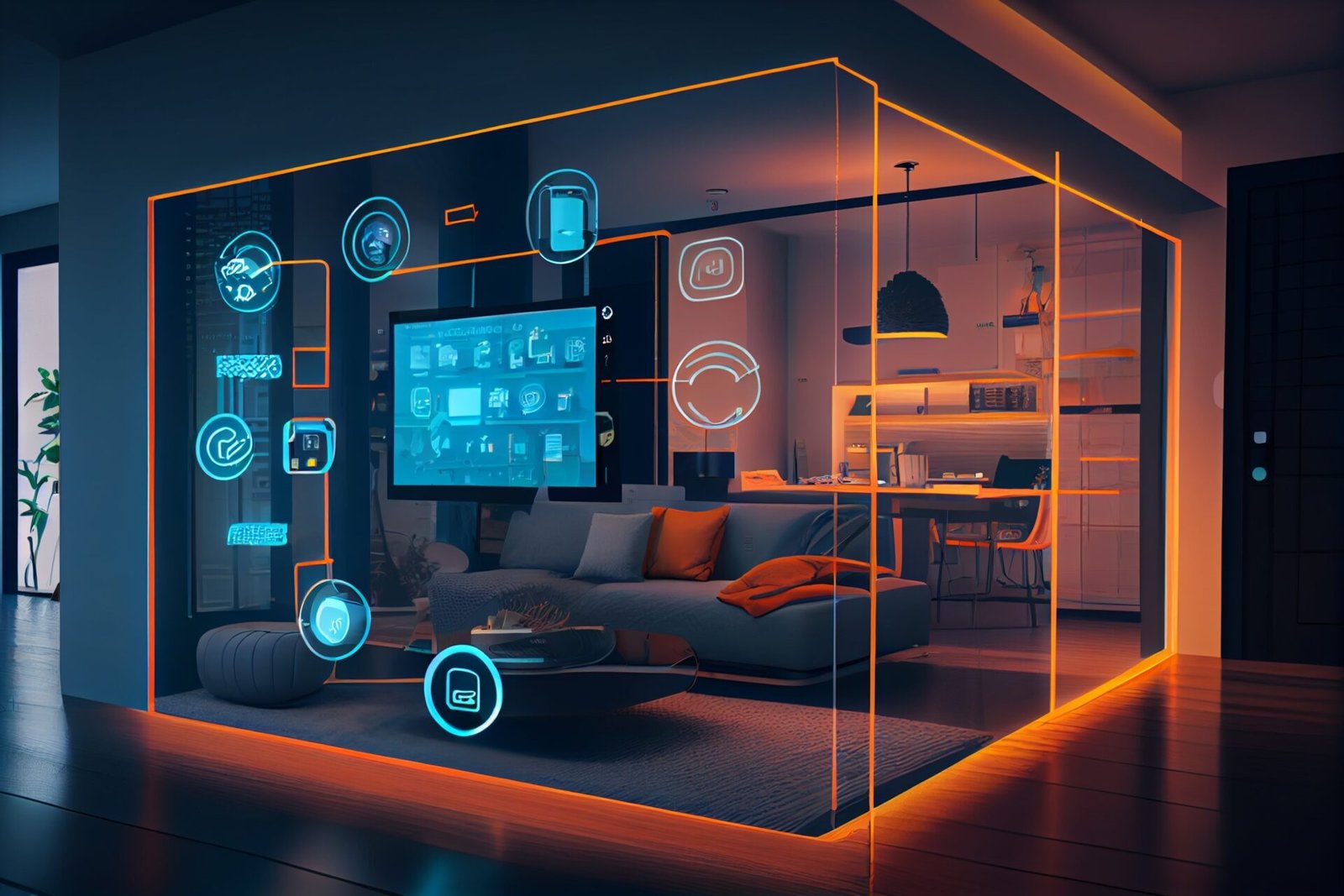
The true power of smart home technology emerges when individual devices coordinate through sophisticated automation routines. Programmed scenes enable executing complex, multi-device sequences with simple commands or automatic triggers. “Good Morning” scenes might simultaneously adjust lighting, set thermostat temperatures, brew coffee, and display daily information. “Movie Mode” scenes dim lights, close shades, adjust temperature, and optimize acoustic conditions. “Bedtime” routines secure doors, adjust lighting, close shades, and adjust heating for sleeping comfort.
- Location-based automation triggers responses based on household member proximity—automatically adjusting climate and lighting when residents return home, or switching to away-mode when everyone departs. Occupancy sensors enable “bedtime” routines without requiring manual activation, automatically adjusting settings once all household members have retired.
- Time-based scheduling enables consistent daily routines, gradually transitioning conditions rather than abrupt changes. The sophistication of available automation capabilities means that well-designed smart home systems can handle countless routine adjustments automatically, reducing daily manual device interactions dramatically.
Voice Assistants and Natural Language Control
- Voice-activated control has transformed smart home accessibility, enabling device management without physical interaction or mobile app navigation. Contemporary voice assistants understand context, enabling conversational control beyond simple command parsing. Advanced implementations enable phrasing commands naturally—”Make it a bit warmer” or “Is my front door locked?”—rather than requiring specific syntax. Multi-language support ensures accessibility for multilingual households.
- Personalization capabilities enable creating household member-specific voice profiles, enabling customized responses and family-appropriate content filtering. Natural language processing has advanced sufficiently to handle regional accents and diverse speaking patterns. Voice assistant integration across multiple device types—smart speakers, displays, and headphones—creates consistent control throughout your home. Privacy controls enable voice activation disabling, preventing inadvertent commands or eavesdropping during sensitive conversations.
The convenience of voice-controlled access cannot be overstated, particularly for households with mobility limitations, young children requiring hands-free operation, or situations where hands are occupied. Voice assistant compatibility should significantly influence device selection, ensuring integrated control across your entire ecosystem.
Building Your Smart Home Ecosystem Strategically
Implementing smart home technology effectively requires thoughtful planning rather than randomly acquiring products. Start by identifying specific problems you want to solve—enhancing security, reducing energy consumption, improving convenience, or increasing comfort. Evaluate compatibility before purchases, ensuring devices support the communication protocols your ecosystem uses. Consider future expandability, selecting brands and platforms with demonstrated longevity and active development.
Gradual implementation reduces overwhelming complexity while enabling learning and adaptation. Begin with foundational components—a central hub, a voice assistant, and a few key devices addressing your primary concerns. Expand systematically, learning how each addition functions before adding the next. Prioritize devices offering genuine utility over impressive features you’ll rarely use. Consider installation complexity when selecting between professional and DIY options. Ensure adequate wireless connectivity throughout your property, investing in mesh networking if necessary.
Read user reviews and check compatibility documentation thoroughly before purchasing. Join enthusiast communities enabling peer recommendations and troubleshooting support. Understand privacy implications of cloud-connected devices and select manufacturers with transparent data policies. Budget appropriately, recognizing that premium devices often justify their expense through superior reliability and longevity. Document your system configuration and credentials securely.
Energy Efficiency and Cost Savings
- Smart home technology investment fundamentally pays for itself through energy savings. Smart thermostats alone typically reduce heating and cooling costs by 10-15% annually. Smart lighting reduces electricity consumption through automated scheduling and efficiency improvements. Energy monitors reveal consumption patterns, enabling targeted optimization. Smart appliances coordinate operation during off-peak pricing periods, minimizing utility costs.
- Renewable energy integration maximizes solar or wind power utilization. While calculating exact savings depends on your property characteristics and utility rate structure, substantial financial benefits emerge within 2-3 years for most households. Longevity and reliability of smart devices directly affect financial returns—quality equipment lasting 5-7 years provides superior value compared to cheaper alternatives requiring replacement every 2-3 years.
Security Considerations and Privacy Protection
Smart home security encompasses both physical security and data privacy. Choose manufacturers demonstrating transparent privacy practices and strong security track records. Enable two-factor authentication across all accounts and devices. Use unique, complex passwords for each platform. Keep firmware updated to patch security vulnerabilities. Review privacy settings regularly as manufacturers update policies. Understand cloud storage implications for security camera footage.
Consider local processing options for sensitive applications. Segment smart home networks from primary computing systems when possible. Regularly review access permissions and remove unnecessary integrations. Understand precisely what data each device collects, stores, and shares.
Also Read: IoT Security Protecting Connected Devices from Cyber Threats
Conclusion
Investing in thoughtfully selected smart home devices in 2026 represents a commitment to enhanced convenience, improved security, optimized energy efficiency, and elevated living standards. The technology has matured sufficiently that quality implementations provide genuine benefits rather than mere novelty appeal. Rather than pursuing comprehensive automation indiscriminately, strategic selection prioritizing your household’s specific needs ensures maximum satisfaction and financial return.
Beginning with foundational components—reliable connectivity infrastructure, a capable central hub, and focused devices addressing primary concerns—creates systems you can expand confidently over time. The convergence of declining equipment costs, improving interoperability standards, and increasingly sophisticated artificial intelligence ensures that 2026 represents an exceptional opportunity for implementing comprehensive smart home technology. Whether your priorities center on security, energy efficiency, comfort optimization, or convenience enhancement, appropriate smart home solutions exist to address your needs.
By approaching implementation strategically, prioritizing genuine utility over impressive-sounding features, and selecting quality equipment from reputable manufacturers, you can create integrated systems that seamlessly enhance daily life while providing measurable financial and lifestyle benefits for years to come.