IoT in Healthcare: Real Examples and Results
Discover how IoT in healthcare transforms patient care with real examples. Learn about remote monitoring, wearable devices, and measurable.

The integration of Internet of Things technology into healthcare delivery represents one of the most transformative developments in modern medicine, fundamentally reshaping how hospitals, clinics, and patients interact with health management systems. The global healthcare IoT market is experiencing unprecedented growth, projected to expand from $108.60 billion in 2024 to $167.70 billion by 2028, reflecting an impressive annual growth rate of 11.47 percent. This explosive expansion demonstrates the healthcare industry’s recognition that IoT in healthcare offers tangible solutions to longstanding operational challenges and patient care deficiencies.
Medical IoT devices are revolutionizing remote patient monitoring, enabling professionals to deliver sophisticated care outside traditional hospital settings while maintaining continuous oversight of patient vital signs and health metrics. Organizations including Cedars-Sinai, Mount Sinai Health System, and Mayo Clinic have emerged as leaders in implementing IoT healthcare solutions, demonstrating measurable improvements in patient safety, operational efficiency, and care quality. Beyond these institutional pioneers, countless Internet of Medical Things applications now facilitate continuous health monitoring, enabling patients with chronic conditions to maintain independence while receiving proactive, data-driven interventions from their care teams.
The statistics supporting IoT adoption are compelling: by 2030, approximately 142 million Americans—nearly 40 percent of the population—will utilize remote patient monitoring technologies, while wearable medical devices and IoT sensors continue to proliferate across consumer and clinical markets. This comprehensive exploration examines concrete examples of IoT in healthcare implementation, presenting real-world results that validate the technology’s capacity to reduce hospital readmissions, enhance patient outcomes, and generate substantial cost savings across diverse settings.
IoT Healthcare Technology Fundamentals
IoT healthcare technology encompasses interconnected networks of medical IoT devices that capture, transmit, and analyze patient health data in real-time, enabling evidence-based clinical decision-making. At its core, the Internet of Things in healthcare refers to the ecosystem of connected medical devices, wearable health sensors, and smart healthcare systems that communicate continuously with cloud-based platforms and healthcare provider networks. The architectural foundation of IoT systems depends on multiple layers: the device layer containing medical IoT sensors and biosensors, the connectivity layer facilitating wireless transmission through Wi-Fi, Bluetooth, and cellular networks, and the application layer where IoT platforms process, analyze, and present actionable insights to clinicians and patients.
Unlike traditional healthcare infrastructure that relies on episodic patient encounters and periodic measurements, IoT-based monitoring enables continuous longitudinal data collection, transforming healthcare from a reactive, problem-focused model to a proactive, preventive approach. The Internet of Medical Things extends beyond simple data collection to incorporate sophisticated artificial intelligence and machine learning algorithms that identify patterns, predict deterioration, and recommend personalized interventions. Connected healthcare devices generate extraordinary volumes of data—for example, a single medical-grade wearable sensor can record more than 1,440 measurements daily across 20+ vital signs—enabling systems to transition from conventional intermittent monitoring to comprehensive, continuous observation of patient health trajectories.
Remote Patient Monitoring: Transforming Healthcare Delivery Models
Remote patient monitoring represents perhaps the most impactful application of IoT in healthcare, enabling healthcare providers to deliver sophisticated, continuous care to patients in their homes while dramatically reducing unnecessary hospital visits and emergency department utilization. RPM technology empowers wearable medical devices and connected health sensors to transmit real-time patient data, including heart rate, blood pressure, oxygen saturation, blood glucose levels, and electrocardiogram readings directly to clinician dashboards and patient monitoring platforms. The statistics validating remote patient monitoring adoption are remarkable: by 2024, remote monitoring tools and services were being utilized by more than 30 million patients, with projections indicating that 115.5 million patients worldwide will use RPM systems by 2027.
Remote monitoring technology has demonstrated extraordinary cost-effectiveness; studies published in the Journal of Medical Economics found that remote patient monitoring reduces costs by 53 percent, generating approximately $8,375 in savings per patient over six months. For patients with chronic conditions, including heart failure, chronic obstructive pulmonary disease, diabetes, and hypertension, continuous remote monitoring enables early detection of concerning trends before they escalate into acute crises requiring hospitalization.
The psychological benefits of home-based monitoring prove equally significant, as patients report improved quality of life, reduced anxiety, and greater autonomy when managing their health from familiar home environments rather than enduring frequent clinical appointments. Healthcare systems implementing comprehensive remote patient monitoring programs consistently report reduced hospital readmission rates, improved medication adherence, and enhanced patient satisfaction scores compared to traditional care models.
Wearable Health Devices: Continuous Monitoring Technologies
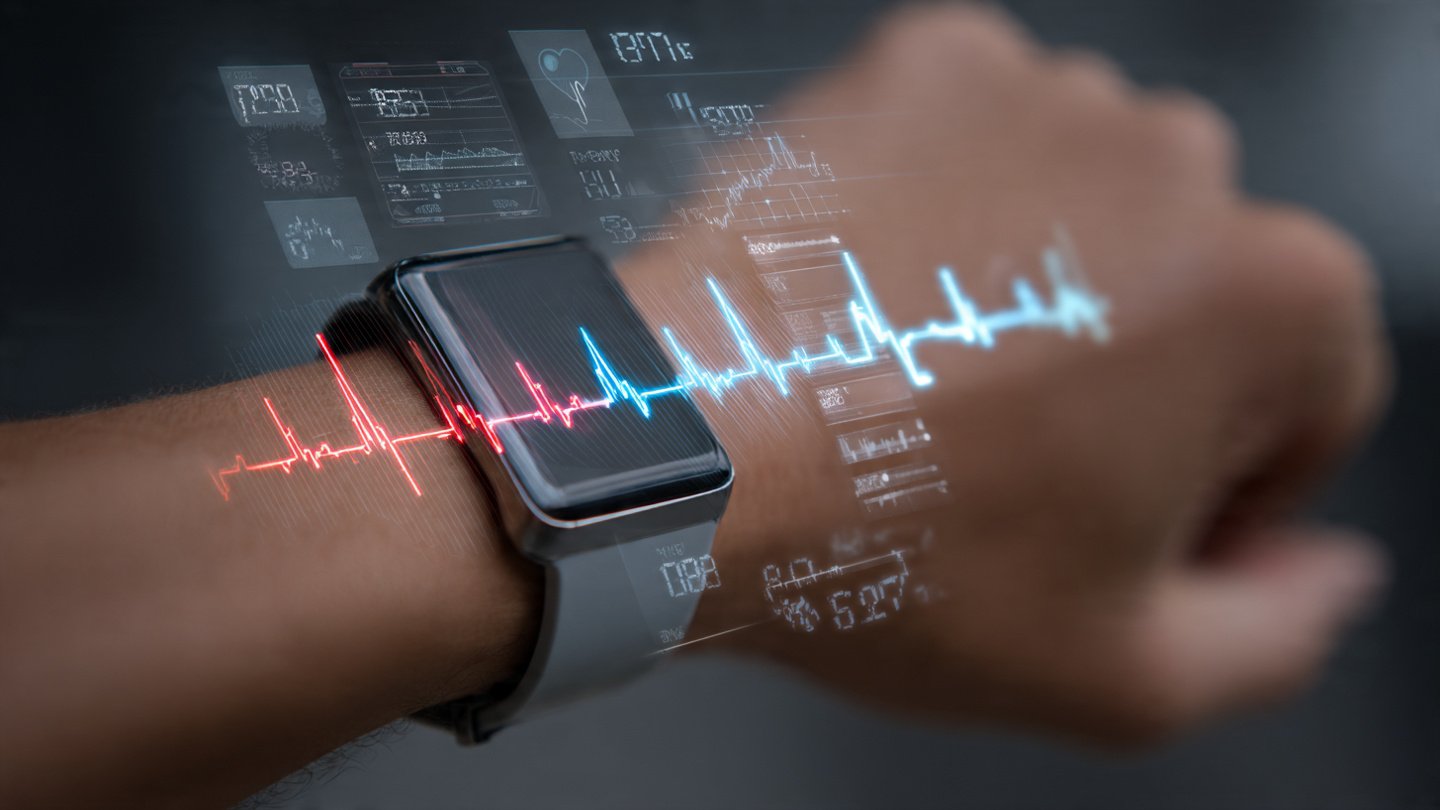


Wearable medical devices have emerged as the most visible manifestation of IoT healthcare technology, with smartwatches, fitness trackers, biosensor patches, and medical-grade wearables now collecting detailed health data from millions of users globally. The proliferation of consumer wearable devices combined with clinical-grade medical wearables reflects the convergence of consumer technology companies and organizations, recognizing that continuous, unobtrusive monitoring delivers superior insights compared to traditional episodic vital sign checks.
Wearable health technology adoption has achieved remarkable penetration: approximately 30 percent of the adult population utilizes wearable health devices regularly, with 69 percent of Americans expressing willingness to wear smartwatches for health monitoring if it resulted in reduced insurance premiums. The most technologically advanced medical-grade wearables now integrate seamlessly with patient health portals and clinical decision support systems, enabling physicians to monitor specific patient cohorts and intervene proactively when wearable data indicates concerning trends. For example, patients with heart failure wearing cardiac monitoring wearables receive immediate alerts when their device detects irregular rhythms or fluid accumulation patterns, enabling intervention before symptoms progress to dangerous levels.
Diabetes management wearables provide continuous glucose monitoring, eliminating the traditional inconvenience of fingerstick testing while capturing complete glucose profiles that reveal dietary patterns and exercise effectiveness. Organizations like Cedars-Sinai have integrated wearable monitoring technology into comprehensive smart systems, demonstrating improved outcomes when continuous wearable monitoring is combined with telehealth consultations and artificial intelligence-powered analytics. The market for consumer health wearables reached 440 million units globally in 2024, with medical-grade wearables now representing the fastest-growing segment as healthcare institutions embrace clinical wearable technology.
Real-World Case Studies: Institutional IoT Healthcare Implementation
Healthcare institutions worldwide have developed innovative IoT solutions addressing specific operational and clinical challenges, producing measurable outcomes that validate investment in medical IoT technology. Cedars-Sinai represents a leading example of comprehensive smart systems implementation, deploying IoT-enabled smart beds, integrated monitoring systems, and automated environmental controls throughout its hospital networks. These connected hospital beds automatically detect patient movement patterns, alert nursing staff when patients attempt to leave bed without assistance, and reduce pressure injury incidence through intelligent mattress pressure adjustments.
The institution’s smart hospital infrastructure integrates IoT sensors monitoring temperature, humidity, air quality, and equipment status, enabling proactive maintenance interventions before critical system failures disrupt patient care. Mount Sinai Health System has achieved recognition as a leader in digital health IoT implementation, deploying asset tracking systems using RFID technology to monitor thousands of medical devices across multiple hospitals. This IoT-based asset management eliminated costly equipment losses and improved clinical efficiency by ensuring that critical tools are immediately available when needed, reducing staff time spent searching for equipment and enabling faster patient care delivery.
Mayo Clinic, consistently ranked among the world’s top smart hospitals, has systematized IoT healthcare integration across clinical and operational domains, combining predictive maintenance systems for medical equipment with real-time patient monitoring networks. St. Joseph’s Health leverages IoT location tracking technology to monitor staff, patient, and equipment positions throughout their facilities, streamlining workflows, reducing patient wait times, and improving overall satisfaction metrics. HCA has implemented RFID IoT systems across its networks, optimizing equipment utilization and minimizing the waste inherent in traditional manual tracking systems.
Chronic Disease Management Through IoT Monitoring
Chronic disease management represents perhaps the most clinically significant domain for IoT healthcare applications, where continuous monitoring and data analysis directly prevent disease progression and hospitalizations. Patients with diabetes, heart failure, COPD, and hypertension derive extraordinary benefits from IoT-enabled chronic disease monitoring, which provides continuous oversight, replacing traditional periodic office visits. For the over 30 million Americans with diabetes, continuous glucose monitoring wearables represent transformative technology, eliminating tedious manual testing while capturing complete metabolic profiles.
Glucose monitoring IoT devices automatically alert patients when blood sugar levels approach dangerous thresholds, enabling preventive interventions that normalize glucose levels before serious complications develop. Heart failure patients wearing cardiac monitoring devices benefit from systems that detect subtle changes in weight, heart rate patterns, and rhythm abnormalities that precede acute decompensation by days or weeks. When these IoT cardiac sensors detect gradual weight gain, indicating fluid accumulation, automated alerts enable diuretic adjustments before patients develop dangerous breathing difficulty requiring hospitalization. For COPD management, IoT respiratory monitoring devices continuously track oxygen saturation and breathing patterns, with machine learning algorithms identifying concerning trends in individual patient baselines.
When a COPD patient shows a gradual oxygen saturation decline, physicians can adjust oxygen therapy or medication protocols before hypoxia reaches critical levels. Research studies document that IoT-enabled chronic disease management reduces hospital readmission rates by 30-50 percent, saves an average of $8,375 per patient over six months, and improves medication adherence rates from approximately 50 percent to over 85 percent. These real-world healthcare IoT results demonstrate that investment in chronic disease monitoring technology generates both humanitarian and financial returns, improving patient outcomes while simultaneously reducing systemic expenditures.
Medication Adherence and Smart Medication Management Systems
Medication non-adherence represents a pervasive healthcare challenge costing the U.S. system approximately $290 billion annually in preventable medical spending, a burden that IoT medication management solutions directly address through intelligent monitoring and reminder systems. Smart medication dispensers equipped with IoT sensors track medication administration in real-time, recording precisely when patients take their medications and immediately alerting caregivers when doses are missed. For elderly patients managing multiple medications or those with cognitive decline, IoT-enabled medication systems eliminate memory-dependent adherence, instead implementing automatic dispensing, visual/audio reminders, and immediate family notifications when doses are skipped.
Ingestible IoT sensors represent frontier technology, with smart pills containing edible sensors that transmit data confirming medication ingestion directly to patient smartphones and healthcare provider systems. These ingestible medical sensors eliminate intentional or accidental non-adherence by providing objective proof of medication consumption. Remote therapeutic monitoring programs integrate smart pill dispensers with cloud-based medication tracking, enabling clinicians to identify adherence barriers quickly and intervene with counseling, simplified regimens, or alternative therapies.
Healthcare systems implementing comprehensive IoT medication management report dramatic improvements in chronic condition control, with hypertensive patients achieving better blood pressure regulation, diabetic patients demonstrating improved glucose control, and psychiatric patients showing reduced symptom exacerbation. Studies document that smart medication systems increase adherence rates from conventional 50-60 percent to 85-90 percent, directly translating to reduced disease complications, hospitalizations, and expenditures.
Emergency Response and Real-Time Clinical Decision Support
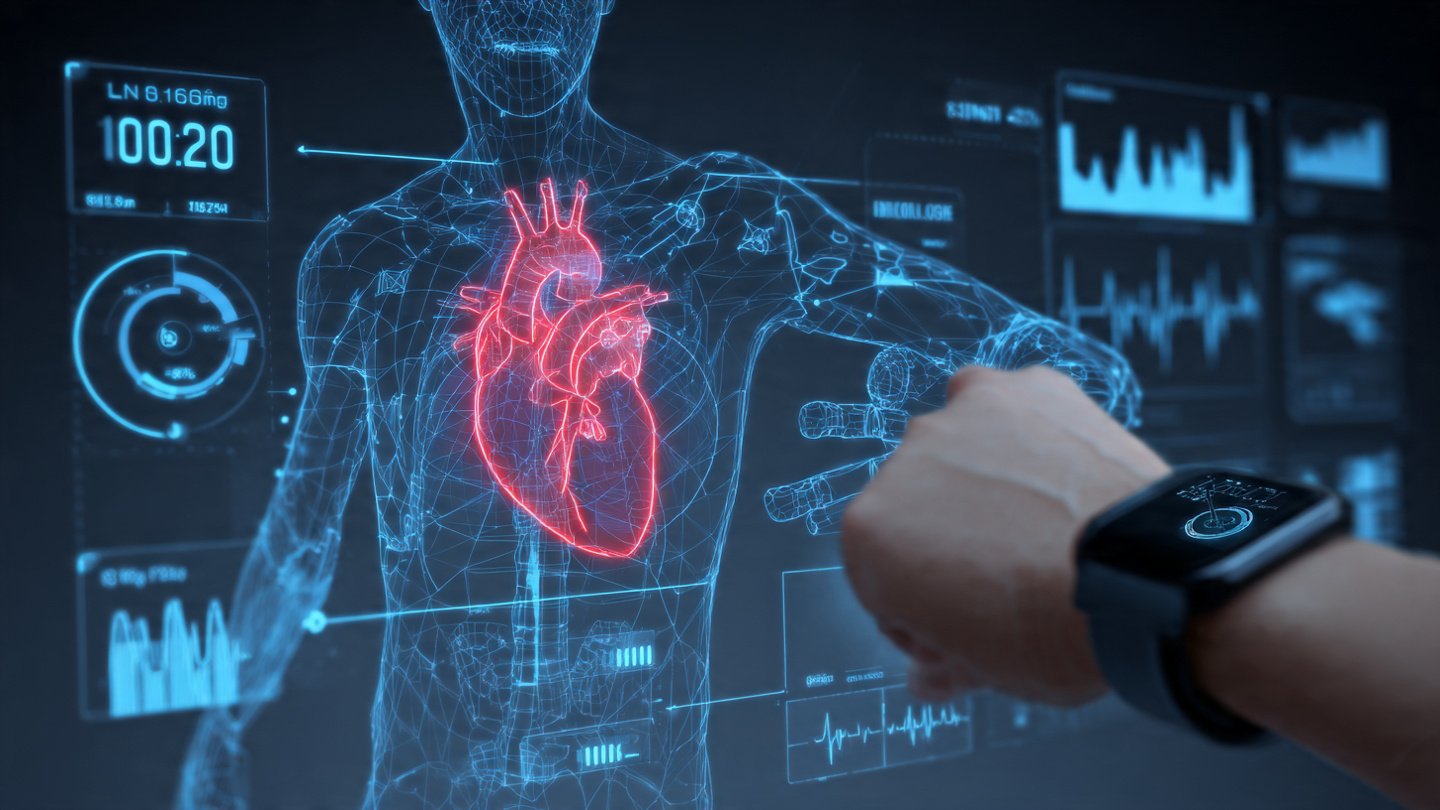
IoT emergency response systems have dramatically accelerated acute care delivery, enabling ambulances to transmit real-time patient data to receiving hospitals before patient arrival, facilitating advanced preparation and faster definitive treatment initiation. Emergency medical IoT devices worn by paramedics automatically capture ECG, blood pressure, oxygen saturation, respiratory rate, and glucose levels during patient transport, immediately transmitting this vital information via cellular IoT networks to emergency department physicians. When a heart attack patient arrives by ambulance equipped with IoT-enabled cardiac monitoring, the emergency team has already reviewed ECG data, activated the cardiac catheterization team, and prepared the catheterization laboratory, eliminating valuable minutes of delay.
For stroke patients, real-time transmission of neurological assessment and blood pressure data enables immediate physician consultation and thrombolytic therapy administration, directly improving outcomes when intervention occurs within critical time windows. IoT-enabled emergency systems have demonstrated remarkable results: studies document that real-time data transmission from ambulances to hospitals reduces door-to-balloon time for cardiac interventions by 15-20 minutes, improves thrombolytic administration rates for stroke, and increases survival rates for critical conditions. The artificial intelligence algorithms analyzing emergency IoT data identify high-risk presentations and recommend interventions, essentially providing paramedics with real-time clinical decision support.
Data Security and Privacy in IoT Healthcare
While IoT healthcare benefits are profound, the data security challenges inherent in medical IoT devices demand serious attention from healthcare leadership, technology vendors, and regulators. Protected health information collected by medical IoT devices constitutes high-value targets for sophisticated cyberattacks, with 82 percent of organizations reporting experiencing attacks against their IoT devices. The complexity of managing security across thousands of heterogeneous connected medical devices strains IT departments, with many legacy hospital IoT devices running outdated firmware and lacking current security patches.
Healthcare IoT security requires comprehensive strategies, including device identity verification, network segmentation, encrypted data transmission, secure cloud platforms, and continuous monitoring for suspicious activity. HIPAA compliance for medical IoT systems demands secure data storage, access controls, audit trails, and breach notification protocols. Blockchain technology offers promising approaches for decentralized healthcare data management, ensuring data integrity while enabling secure sharing across stakeholders. Forward-thinking organizations implementing IoT solutions prioritize security from initial device selection through eventual decommissioning, collaborating with specialized IoT security providers to maintain protection as threats evolve.
Market Growth and Future Outlook for Healthcare IoT
The healthcare IoT market trajectory demonstrates exceptional momentum, with industry analysts projecting continued rapid expansion driven by aging populations, rising chronic disease prevalence, healthcare cost pressures, and technological maturation. The Internet of Medical Things market expanded from $83.81 billion in 2024 to a projected $134.40 billion by 2029, reflecting compound annual growth rates exceeding 10 percent. The remote patient monitoring market growth accelerated dramatically following the COVID-19 pandemic, which normalized telehealth adoption and demonstrated the feasibility of delivering sophisticated care outside institutional settings.
North America dominates the global IoT market, capturing 41.2 percent of market share in 2025, supported by advanced healthcare infrastructure, Medicare reimbursement for RPM services, and high concentrations of digital health technology companies. Emerging markets in Asia, Latin America, and Africa present substantial growth opportunities as healthcare systems modernize and internet connectivity expands. Artificial intelligence integration with IoT systems represents the next evolutionary frontier, with machine learning algorithms analyzing multi-parameter patient data to deliver personalized predictive insights and automated interventions. Edge computing solutions are enabling more sophisticated analysis directly on medical IoT devices, reducing latency and improving responsiveness for time-critical clinical applications.
More Read: Healthcare IoT Remote Monitoring and Patient Care Innovation
Conclusion
IoT in healthcare has transitioned from theoretical promise to demonstrated reality, with thousands of healthcare institutions, medical device manufacturers, and patients experiencing measurable benefits from Internet of Things healthcare solutions across diverse clinical applications and operational domains. The convergence of wearable medical devices, cloud-based analytics platforms, artificial intelligence algorithms, and supportive healthcare policies has created unprecedented opportunities for delivering patient-centric, cost-effective, data-driven care. Real-world implementations demonstrate that remote patient monitoring reduces hospital readmissions by 30-50 percent, saves $8,375 per patient every six months, and improves chronic disease control across diverse patient populations.
Leading healthcare institutions, including Cedars-Sinai, Mayo Clinic, and Mount Sinai Health System, have proven that systematic IoT healthcare implementation generates measurable improvements in patient safety, care quality, and operational efficiency. Wearable health technology adoption continues to expand exponentially, with 440 million consumer health devices shipped globally and medical-grade wearables now integral to modern clinical practice. As healthcare IoT technology matures and artificial intelligence capabilities advance, future implementations will deliver increasingly sophisticated personalization, enabling healthcare systems to transition from population-based care models toward truly individualized medicine.
The projected growth of the healthcare IoT market to $167.70 billion by 2028, combined with the anticipated 142 million American remote patient monitoring users by 2030, confirms that IoT-enabled healthcare represents not an optional technology supplement but rather a strategic imperative for healthcare organizations committed to improving outcomes while managing escalating costs in an era of chronic disease prevalence.