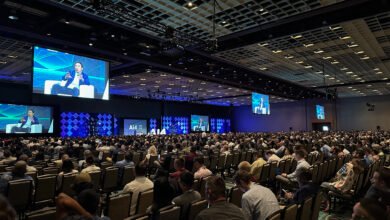
What Actually Happens at CES: Is It Worth Going?
Discover what happens at CES, the world's biggest tech conference in Las Vegas. Learn if attending CES is worth the time and money.
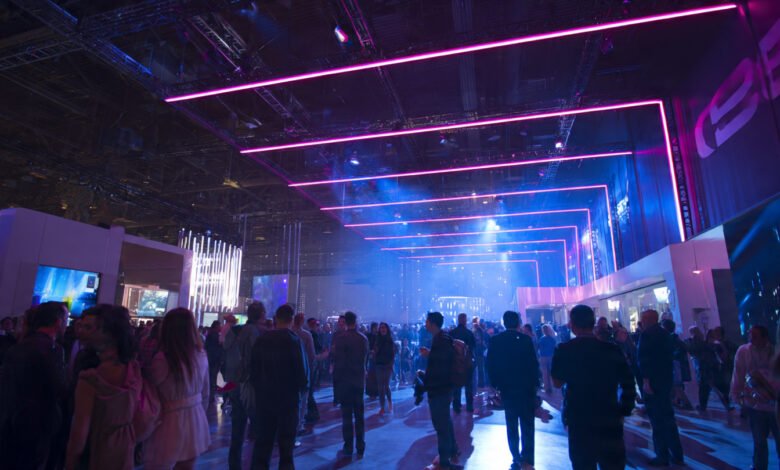
Every January, the glittering Las Vegas Convention Center transforms into the epicenter of technological innovation as thousands of industry professionals, media representatives, and tech enthusiasts descend upon the city for CES, the Consumer Electronics Show. With over 141,000 attendees and more than 4,500 exhibitors representing companies from around the globe, this annual tech conference has established itself as the most powerful technology event in the world. Yet despite its massive scale and global prominence, many professionals wonder if the investment of time, money, and energy required to attend actually delivers meaningful value.
The reality is nuanced. CES 2025 welcomed exhibitors ranging from household names like Samsung and LG to innovative startups making their first appearance on a global stage. The Las Vegas Convention Center and surrounding venues sprawled across 2.5 million square feet of exhibition space, showcasing everything from artificial intelligence and autonomous vehicles to smart home devices and digital health innovations. However, the sheer magnitude of the CES show creates a paradox: with such enormous scale comes both tremendous opportunity and substantial navigational complexity.
This comprehensive guide explores the intricate reality of attending the conference by examining what actually transpires across the vast exhibition floor, who benefits most from participation, and critical factors determining whether this technology event aligns with your professional objectives. Whether you’re a business executive evaluating CES attendance, a startup founder seeking visibility, or an innovation professional tracking emerging tech trends, the actual mechanics and realistic outcomes of this annual conference are essential for making an informed decision about your participation.
CES: The Foundation
What Is the CES Conference?
CES, owned and produced by the Consumer Technology Association (CTA), represents the largest and most influential consumer electronics show globally. First established in 1967 with roughly 200 exhibitors and 17,500 attendees, CES has evolved into a sprawling technology conference drawing participants from over 150 countries and territories. The event brings together the complete technology ecosystem under one roof, creating opportunities for product launches, partnership development, and industry-shaping announcements.
Unlike industry-specific conferences focused on particular sectors, the show embraces the entire technology landscape. Attendees encounter innovations spanning artificial intelligence, autonomous mobility, digital health, smart home systems, wearables, gaming, sustainability, and emerging quantum computing applications. This comprehensive approach distinguishes CES from narrower tech events, making it simultaneously more overwhelming and more valuable for those seeking a road market perspective.
The Scale and Structure of CES
The magnitude of CES 2025 and typical conferences defies easy comprehension. Over 4,500 companies occupy exhibition space across multiple venues spanning the Las Vegas Convention Center and connected resort properties. Approximately 1,400 of these exhibitors represent startups, while the remainder includes established corporations ranging from multinational technology giants to specialized component manufacturers.
The physical layout is divided into distinct zones, each housing specific technology categories. The main convention floor features major brand pavilions, startup showcases through Eureka Park, and international exhibitor sections. Additionally, premium conference spaces host keynote presentations, panel discussions, and specialized workshops throughout the event. This multi-venue, multi-track approach enables simultaneous happenings across the sprawling show, requiring strategic planning to navigate effectively.
What Actually Happens During CES
The First Days: Media Events and Press Conferences
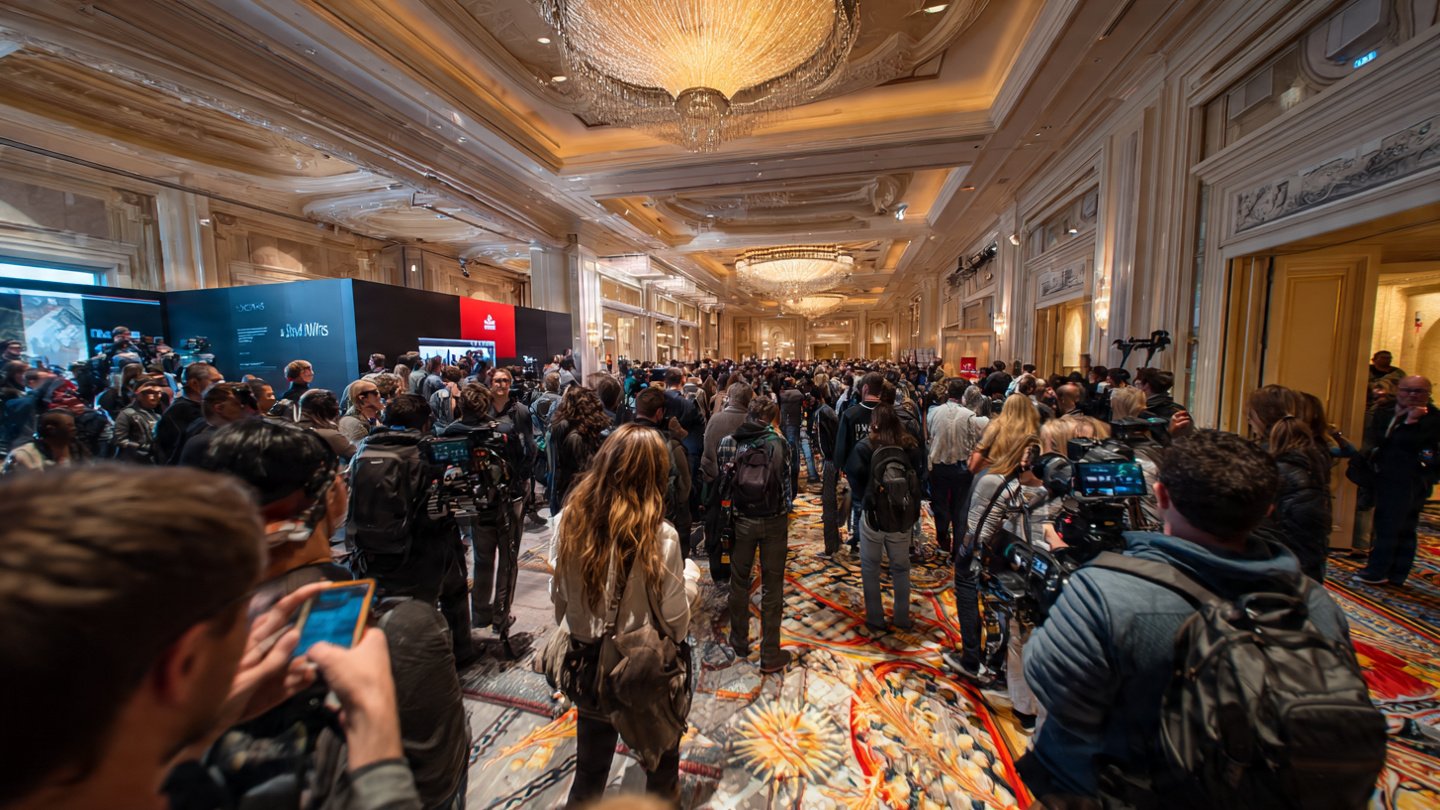
CES officially begins with media-exclusive events preceding the public show floor. These early days, typically occurring on January 5-6 for the annual conference, feature concentrated press where major brands make headline announcements. Samsung, LG, Sony, and other industry leaders use these media days to showcase flagship products before the broader public arrives.


These opening periods set the tone for the entire event, generating media coverage that public perception of emerging tech trends. Major product launches happen during this window—from new smartphone designs to revolutionary vehicle concepts to breakthrough health technology. Companies strategically time announcements to maximize media attention before broader conference attendance dilutes news cycle focus.
The Exhibition Floor Experience
When public attendees finally reach the main exhibition floor, they encounter organized chaos. Tens of thousands of people navigate crowded corridors lined with elaborate booth displays, interactive demonstrations, and massive video screens. Major brands construct elaborate pavilions featuring immersive experiences—interactive displays allowing attendees to test emerging products, experience virtual reality environments, and engage with cutting-edge technology firsthand.
The show floor experience varies dramatically by location. Established brand pavilions offer structured demonstrations with knowledgeable representatives available for detailed conversations. In contrast, Eureka Park—the startup showcase section—features founders and small teams presenting early-stage innovations to anyone passing their modest booths. This dynamic creates unpredictable encounters with potentially revolutionary technologies alongside preliminary concepts still requiring substantial development.
Conference Programming and Educational Content
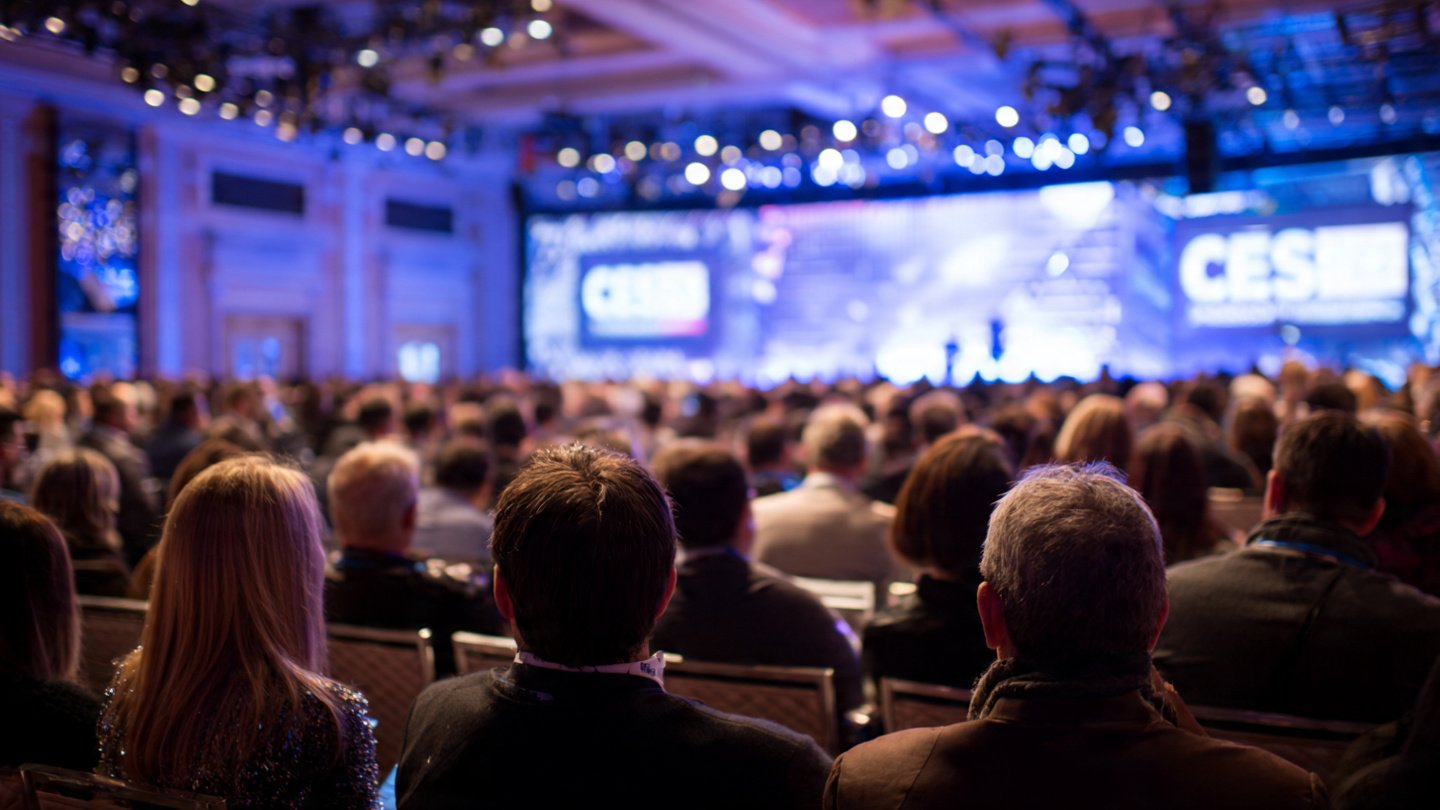
Beyond the exhibition floor, CES features over 300 conference sessions, keynote presentations, and specialized workshops covering cutting-edge topics. Industry leaders and expert practitioners share insights on emerging technology trends, artificial intelligence applications, autonomous mobility futures, digital health advancements, and sustainable innovation. These conference sessions provide structured learning distinct from the sensory-heavy floor experience.
Notable presentations occur across multiple dedicated stages and conference rooms. Executive-level attendees participate in invitation-only roundtables and briefings. Specialized tracks address specific industries—automotive executives explore vehicle technology, healthcare professionals examine digital health innovations, and marketing leaders gather at C Space to discuss technology’s intersection with brand strategy. This programming architecture allows attendees to customize their experience around professional priorities.
Networking and Business Development Opportunities
Perhaps the most valuable yet least visible aspect of centers on informal networking and business connection formation. Executives, investors, partnership directors, and sales professionals leverage the concentrated gathering to arrange meetings, explore collaboration possibilities, and identify potential acquisitions. Many attendees schedule dozens of one-on-one meetings during the conference, treating it as a structured networking event with exceptional participant concentration.
For startup founders, attendance creates unparalleled investor exposure opportunities. The concentrated presence of venture capitalists, corporate innovation leaders, and potential business partners makes the show a critical venue for fundraising, partnership exploration, and customer acquisition. Startups reporting funding rounds or major partnerships frequently attribute these wins to connections initiated at.
CES By Industry: Sector-Specific Highlights
Artificial Intelligence and Machine Learning
Artificial intelligence emerged as the dominant theme at CES 2025, with AI applications permeating nearly every product category. Exhibitors demonstrated generative AI powering virtual assistants, AI-driven productivity tools improving workplace efficiency, and machine learning algorithms enhancing consumer electronics. From smart home systems learning user preferences to healthcare applications detecting diseases earlier, AI technology has transformed from an abstract concept to tangible products available for interaction and evaluation.
For professionals tracking AI innovation, attending provided direct access to cutting-edge developments before public availability. Companies like NVIDIA, AMD, and specialized AI startups showcased advanced capabilities, enabling attendees to evaluate practical applications relevant to their industries.
Automotive and Advanced Mobility
The automotive sector represents one of the largest and fastest-growing segments. Traditional automakers, emerging EV manufacturers, and mobility startups showcase autonomous vehicles, electric powertrains, advanced safety systems, and connected car technologies. The addition of a dedicated mobility stage in West Hall reflects the industry’s expanding presence at the annual conference.
Companies like Tesla, BMW, Honda, and emerging manufacturers display prototypes and production vehicles featuring cutting-edge technology. Attendees witness autonomous vehicle demonstrations, electric vehicle innovations, and next-generation transportation concepts. For automotive industry professionals, attending CES has become essential for competitive landscape developments and emerging technology trends.
Smart Home and Consumer Electronics
Smart home technology maintains its position as a conference cornerstone, with major companies like Samsung, LG, Sony, and Bosch showcasing intelligent appliances, connected home systems, and ambient computing innovations. Attendees experience smart refrigerators providing nutritional insights, washing machines optimizing cycles through AI, and integrated home ecosystems responding to voice commands and contextual awareness.
This segment represents consumer electronics at its most interactive, allowing CES attendees to physically test products, understand user interfaces, and evaluate practical utility. For companies developing home technology or consumers evaluating adoption, the show floor experience provides invaluable hands-on exposure.
Digital Health and Wellness
Digital health has expanded into a major CES focus area, with the Venetian venue hosting comprehensive exhibits of health-tracking devices, telehealth platforms, diagnostic technologies, and wellness innovations. Wearables, remote monitoring systems, and AI-powered health analysis tools demonstrate how technology addresses healthcare challenges.
For healthcare professionals, medical device manufacturers, and wellness entrepreneurs, this segment provides insight into competitive products, regulatory considerations, and market directions influencing the health technology sector.
Who Benefits Most From Attending CES?
Business Executives and Decision Makers
CES attendance delivers exceptional value for C-suite executives and senior business leaders responsible for technology strategy, product direction, and competitive positioning. The concentrated presence of industry influencers, competitor representatives, and emerging innovators enables strategic perspective development impossible through alternative channels.
Senior executives use to evaluate competitive threats, identify partnership opportunities, and understand market trajectories. The conference compressed timeline—with major announcements, trend revelations, and strategic showcases happening across four days—creates efficiency difficult to achieve through dispersed research.
Startup Founders and Innovation Teams
For startup founders, attending CES can be transformative. The event concentrates potential investors, corporate partners, potential customers, and media in unprecedented density. Startups with compelling presentations and innovative products can generate substantial leads, investor interest, and partnership inquiries during the show.
However, participation requires strategic positioning. Startups without clear differentiation or compelling pitches risk disappearing into the overwhelming scale of the event. Those with focused positioning, strong narratives, and demonstrated innovation benefit disproportionately from attendance.
Technology and Business Journalists
Technology media professionals treat CES as the year’s most important coverage opportunity. The concentrated announcements, product debuts, and industry newsmakers create weeks of content possibilities. Media attendees enjoy dedicated sessions, press conference access, and exclusive previews, making it essential for technology journalism.
Industry Professionals Tracking Emerging Technologies
Professionals responsible for monitoring tech trends, evaluating emerging technologies, or market directions benefit substantially from CES floor exposure. Rather than reading product descriptions or watching video demonstrations, CES attendance enables direct product evaluation, competitor comparison, and trend identification through comprehensive exhibition floor observation.
Strategic Investors and Venture Capitalists
Venture capital professionals attend seeking investment opportunities, monitoring portfolio company developments, and identifying emerging technology trends influencing funding decisions. The concentrated presence of innovative startups in defined venue sections facilitates efficient evaluation of early-stage companies.
The Real Costs of CES Attendance
Financial Investment Requirements
Attending CES requires substantial financial investment beyond registration fees. Conference passes start around $200-300 but can exceed $1,500+ for premium packages. Beyond registration, attendees must account for Las Vegas airfare (typically $300-600), hotel accommodation ($150-300+ nightly), ground transportation, meals, and miscellaneous expenses. A four-day CES attendance easily accumulates $3,000-6,000+ in total costs. For teams or companies sending multiple representatives, costs multiply significantly. These substantial financial commitments demand careful evaluation of expected return on investment.
Time Commitment and Physical Demands
Beyond financial expenses, CES attendance requires substantial time investment. Pre-event research, booth scheduling, meeting coordination, and strategic planning typically consume 15-20 hours before the conference begins. During the four-day event, 12-14-hour daily commitments are standard as attendees navigate multiple exhibition floors, attend sessions, and maintain meeting schedules.
The physical demands are substantial. The Las Vegas Convention Center and surrounding venues require extensive walking across enormous spaces. The sensory intensity—crowded floors, constant noise, overwhelming visual stimulation—creates fatigue that many attendees underestimate initially.
Opportunity Costs and ROI Challenges
For some professionals, the opportunity cost may exceed the benefits. Executives absent during critical business periods, sales representatives missing customer engagement, or developers diverted from projects may experience business disruption outweighing benefits.
Evaluating CES return on investment requires an honest assessment. Companies frequently overestimate benefits while underestimating actual costs. Strategic planning beforehand and systematic metrics tracking during the conference improve ROI evaluation.
Critical Success Factors for CES Attendance
Pre-Event Strategic Planning
CES attendance begins well before arrival in Las Vegas. Clearly defining objectives—whether networking, competitive intelligence, customer prospecting, investor meetings, or trend tracking—enables strategic booth prioritization and schedule optimization. Without defined goals, attendees easily waste time navigating without direction.
Research exhibitors beforehand using the official exhibitor directory. Identify priority booth visits, schedule meetings with strategic contacts, and plan your conference session attendance. This preparation transforms the overwhelming show floor into a navigable opportunity.
Leveraging the Official CES App
The CES app provides essential tools for efficient navigation. Features include interactive floor maps with real-time blue-dot navigation, exhibitor directories searchable by product category or keyword, personalized schedules, and meeting coordination. Mastering app functionality before attending dramatically improves the CES experience quality.
Selective Floor Navigation
Attempting to visit every booth guarantees an exhausting, unproductive experience. Highly selective navigation focused on priority areas and scheduled meetings yields better outcomes than attempting comprehensive floor coverage. Accept that you will miss most exhibitors and focus intentionally on strategic priorities.
Networking Beyond the Floor
Some of the most valuable interactions occur outside formal exhibition and conference structures. Evening receptions, industry-specific parties, and informal gatherings at hotel bars create networking opportunities. Leveraging personal networks to arrange dinners or meetings with industry contacts often generates more value than random floor interactions.
Is CES Worth Attending? Honest Assessment
Situations Where CES Justifies Attendance
CES attendance makes strong sense for business executives monitoring the competitive landscape, startup founders with compelling innovations seeking investor connections, media professionals covering technology, and strategic technology leaders evaluating emerging tech trends. These professionals typically experience ROI exceeding their investment.
Companies launching significant products, seeking strategic partnerships, or maintaining industry credibility frequently find participation justified despite costs. Organizations unable to attend risk appearing disconnected from industry leadership and emerging innovations.
Situations Where CES Attendance May Not Be Optimal
For cost-constrained organizations, companies focused on established rather than emerging technologies, or professionals with specific niche interests better served by smaller specialized events, CES attendance may represent inefficient resource allocation. Some industries host specialized programs better aligned with specific professional needs. Individual contributors without networking responsibilities, companies without product launches or partnership objectives, and professionals with limited travel budgets may find alternative approaches more effective.
Alternative Approaches
For those questioning the CES value, alternatives exist. Industry-specific, specialized trade shows, virtual conference content, and one-on-one supplier meetings provide targeted learning and networking. Many professionals combine selective CES attendance with industry-specific events for comprehensive coverage. Additionally, media coverage of announcements and recorded conference session content provides post-event learning without full attendance commitment.
Practical Tips for First-Time CES Attendees
Establish Clear Objectives Before Arriving
Define what success looks like—specific meetings, competitive intelligence targets, partnership opportunities, or trends. Share objectives with your team and coordinate schedules accordingly.
Book Accommodations and Transportation Early
Las Vegas experiences high demand and inflated pricing. Early booking secures better rates and ensures s convenient location near convention venues.
Pace Yourself and Plan Rest Periods
The combination of walking, crowds, and sensory intensity creates exhaustion. Schedule daily breaks, maintain hydration, and avoid overcommitting to back-to-back activities.
Embrace Serendipitous Discoveries
While strategic planning matters, some value emerges from unexpected booth discoveries and unplanned conversations. Allocate some schedule flexibility for spontaneous exploration.
Follow Up Systematically
CES connections become valuable only through systematic follow-up. Collect contact information, document conversations, and initiate substantive follow-up within days after the conference concludes.
More Read: Cloud Security Best Practices Everyone Should Follow
Conclusion
CES remains the world’s largest and most influential technology conference, unmatched in its ability to concentrate innovators, industry leaders, investors, and media within a defined timeframe and location. The value of attending CES depends entirely on your objectives, industry position, and strategic priorities. For business executives tracking competitive developments, startup founders seeking investor connections, technology professionals monitoring emerging innovations, and media representatives covering the industry, attendance typically justifies its substantial costs.
However, for organizations with limited budgets, niche industry focuses better served by specialized events, or professionals without strategic networking needs, alternative approaches may prove more efficient. The key to successful participation lies in approaching the conference with clearly defined objectives, strategic planning, selective navigation, and systematic follow-up that transforms the overwhelming event into concrete business outcomes and actionable insights.