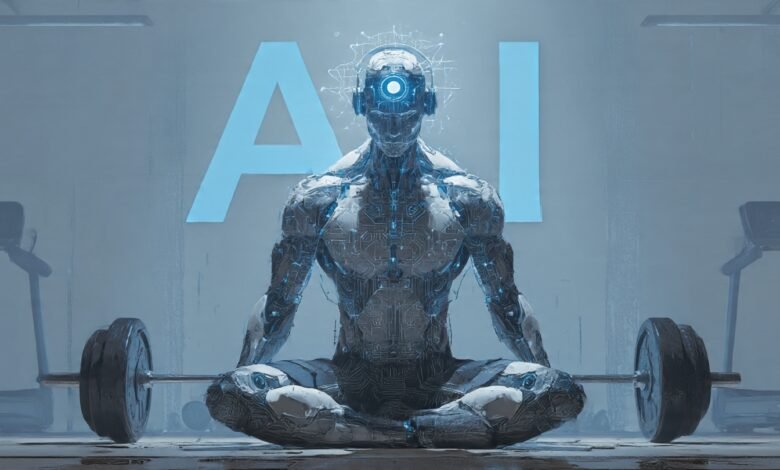
The fitness industry is experiencing a technological revolution, and artificial intelligence fitness apps are leading the charge. As mobile devices become ubiquitous and health consciousness increases globally, millions of people are turning to AI-powered fitness solutions to achieve their wellness goals. But amid all the hype, a critical question persists: do AI fitness apps really work? This comprehensive guide explores the science behind intelligent workout technology, analyzing real-world effectiveness, user experiences, and comparing AI fitness applications to traditional training methods.
Whether you’re a fitness enthusiast considering downloading your first AI workout app or someone curious about whether these technological tools deliver genuine results, this article provides evidence-based insights to help you make an informed decision. We’ll examine how machine learning fitness technology personalizes workout routines, the documented benefits and drawbacks of AI-based fitness coaching, and whether these apps can truly replace professional trainers or complement your existing fitness routine. By the end, you’ll understand exactly how effective intelligent fitness platforms are and whether investing in an AI personal trainer app aligns with your goals.
AI Fitness Apps and How They Work
AI fitness apps represent a fusion of advanced technology and wellness science. These applications leverage machine learning algorithms, computer vision, and real-time data analytics to create customized training experiences. At their core, AI-powered fitness platforms collect diverse data points—including user age, weight, fitness level, exercise history, heart rate variability, sleep patterns, and personal goals—to build comprehensive user profiles.
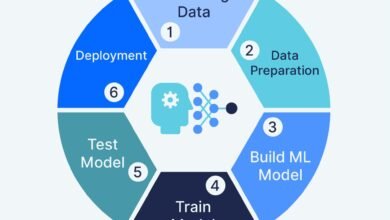
The technology behind personalized AI workout apps involves several sophisticated processes. First, data collection occurs through multiple channels: manual user inputs, wearable device integrations like Apple Watch and Fitbit, and biomechanical sensors embedded in smartphones. Once collected, AI fitness algorithms process and organize this information by cleaning inconsistencies, categorizing data segments, and identifying patterns in user behavior. This groundwork enables the app to generate meaningful insights about individual fitness trajectories.
Real-time feedback mechanisms in these apps utilize computer vision technology to analyze exercise form and posture. When you perform a squat or pushup, the app’s cameras track joint positions, range of motion, and overall alignment, delivering instant corrections through visual or auditory prompts. This capability distinguishes AI-based training systems from traditional video workout guides, as the technology actively monitors performance rather than passively displaying predetermined exercises. Additionally, adaptive AI fitness programs continuously adjust workout intensity, exercise selection, and duration based on your performance metrics and recovery status, ensuring that sessions remain challenging yet sustainable.
The Current Market Growth and Adoption Trends

The explosion of AI in the fitness industry reflects extraordinary market momentum. The global AI fitness app market was valued at approximately $9.8 billion in 2024 and is projected to reach $46.1 billion by 2034, representing a compound annual growth rate of 16.8%. This remarkable expansion underscores growing consumer demand for digital fitness solutions and recognition of technology’s potential to democratize personalized training.
Within the broader fitness sector, AI-powered exercise apps and personalized AI workout technology have captured significant market share. The exercise and weight loss segment alone held 59.2% of the total fitness app market in 2024, driven by sedentary lifestyles and increased health consciousness. Applications focused on workouts and weight loss comprise 73% of all sessions in health and fitness applications, indicating user preference for results-driven content. Major competitors in this space include Fitbit, Apple, Garmin, MyFitnessPal, Nike Training Club, and emerging players like Freeletics and Fitbod, each offering distinct approaches to AI-driven fitness personalization.
Research data reveals that strong market presences include Fitbit, Apple, and Garmin, which offer AI-enhanced features that measure health indicators, offer individualized insights, and inspire consumers. These established brands continue dominating the landscape while innovative startups push boundaries with advanced features. The trend clearly demonstrates that artificial intelligence fitness coaching is no longer experimental—it’s mainstream and rapidly evolving.


Do AI Fitness Apps Actually Improve Results?
This is the fundamental question: do AI fitness apps work in delivering tangible fitness improvements? Scientific evidence presents a nuanced answer that reveals both promising results and important limitations.
Adherence and Engagement Benefits
One of the most compelling findings about AI fitness effectiveness concerns user adherence. A study from the National Library of Medicine found that adaptive AI-based training plans led to 15% greater adherence rates compared to static workout routines. This statistic is significant because consistency represents perhaps the most critical factor in fitness success. Traditional generic workout programs suffer from diminishing engagement as users tire of repetitive routines, but machine learning personalization addresses this limitation by continuously evolving the training stimulus.
Furthermore, research from McKinsey demonstrates that personalized fitness apps powered by AI experience three times higher user engagement compared to traditional apps. This elevated engagement directly translates to more workout completions, longer app usage sessions, and improved motivation sustainability. Using survey data from 408 participants, empirical findings reveal that perceived intelligence and perceived anthropomorphism significantly influence users’ intentions to use and purchase AI fitness apps, primarily by enhancing gratifications such as exercise enjoyment, social presence, and social interaction. When users feel that an app genuinely understands them and adapts to their needs, psychological investment increases dramatically.
Form Correction and Injury Prevention
The real-time feedback capabilities of AI fitness technology offer substantial advantages in form correction. A study using deep neural networks developed a personal workout assistant that offers feedback on squat postures using only mobile devices—smartphones and tablets, with deep learning mimicking experts’ visual assessments of proper exercise postures. This research demonstrates that computer vision fitness apps can effectively guide users toward proper biomechanics, reducing injury risk.
However, important limitations exist. While AI workout correction systems excel at obvious postural deviations, they sometimes miss subtle technical errors that experienced trainers would catch. AI isn’t perfect. It can’t truly “see” human movement the way a personal trainer does. If an exercise is performed incorrectly, AI may not always recognize subtle mistakes, leading to ineffective workouts or worse, injuries.
Muscle Gain and Strength Development
When comparing AI fitness apps to gym-based training for muscle development, research reveals notable differences. A 2021 study in the Journal of Strength and Conditioning Research compared at-home bodyweight workouts to gym-based resistance training. While participants in both groups improved fitness levels, those in the gym group gained 40% more muscle mass over 12 weeks. This finding indicates that while AI-powered home workout apps support general fitness improvements, they present limitations for serious muscle-building objectives without access to appropriate resistance equipment.
Advantages of Using AI Fitness Apps
Personalization at Scale
The primary advantage of AI fitness solutions is delivering highly personalized experiences that would traditionally require expensive personal trainers. Customized AI workout algorithms analyze hundreds of data points to tailor routines to individual circumstances, preferences, and constraints. Someone recovering from an injury receives different recommendations than an athlete preparing for competition, despite both using the same app. This scalability allows personalized fitness AI to serve millions simultaneously while maintaining individual customization.
24/7 Accessibility and Affordability
Virtual AI fitness coaching eliminates geographical and temporal barriers. Users access intelligent workout recommendations anytime, from anywhere, without expensive gym memberships or trainer fees. This democratization proves particularly valuable for people in underserved areas lacking quality fitness facilities or those with schedules incompatible with traditional gym hours.
Real-Time Monitoring and Adaptive Programming
AI provides instant feedback on exercise form and performance, automatically adjusting workout intensity and routines to maximize results and prevent injuries. When your AI fitness tracker detects elevated fatigue markers or poor sleep quality, the app automatically reduces intensity, protecting you from overtraining. Conversely, when you’re performing exceptionally well, the system increases the challenge to optimize progress. This dynamic adaptation represents something manual programming struggles to achieve.
Comprehensive Data Insights
AI fitness analytics provide detailed progress tracking with visual representations, performance benchmarks, and predictive insights. Users gain clarity about trends in strength gains, endurance improvements, body composition changes, and recovery patterns. This data-driven awareness reinforces motivation and enables informed decisions about training modifications.
Limitations and Concerns About AI Fitness Apps

User Engagement and Motivation Challenges
Despite advanced technology, a 2020 study showed that 42% of people stop using fitness apps within six months. The initial excitement wanes as users confront the fundamental reality that AI workout programs cannot provide the accountability that human trainers deliver. An app won’t knock on your door to remind you of a training session or provide the social motivation that in-person environments create. Thirty percent of users said they often prioritize an app’s goals over their body’s needs, highlighting psychological risks when users become over-dependent on algorithmic recommendations.
Data Quality and Privacy Concerns
The effectiveness of AI-based fitness personalization depends entirely on data quality. Ensuring the AI algorithms provide accurate and reliable fitness advice, workout plans, and health assessments is crucial, requiring access to vast amounts of high-quality data and continuous refinement of algorithms to improve precision and reliability. Furthermore, fitness app data privacy remains a legitimate concern, as these applications access sensitive health information. Users must trust that platforms implement robust security measures and comply with regulations like HIPAA and GDPR.
Limitations in Specialized Coaching
AI technologies, in their current state, can serve as supplemental tools in exercise prescription, particularly in enhancing accessibility for individuals unable to access professional advice, but are not yet recommended as a substitute for personalized, progressive, and health condition-specific prescriptions provided by healthcare and fitness professionals. For individuals with complex medical histories, specific athletic goals, or specialized training needs, AI fitness guidance functions best as a complementary tool rather than a replacement for professional expertise.
Psychological Risks and Behavioral Concerns
Recent research reveals concerning behavioral patterns among AI fitness app users. Nearly half (46%) of personal trainers report seeing more clients skip meals, overtrain, and struggle with anxiety tied to digital tracking. Some individuals develop unhealthy relationships with tracking metrics, prioritizing arbitrary app goals over genuine biological needs. Over-dependence on AI fitness tools and technology causes issues because people may stop listening to their body and just push through to do whatever the AI recommends.
AI Fitness Apps vs. Human Personal Trainers
The comparison between AI fitness technology and human trainers rarely presents a clear winner. Instead, evidence suggests complementary benefits. Clients often achieve better outcomes when AI tools are paired with professional guidance, with 32% of trainers acknowledging this benefit. The optimal approach may involve hybrid models where AI workout personalization provides structure and progression, while human trainers deliver accountability, form coaching, and psychological support.
Interestingly, 53% of personal trainers report that clients trust apps more than their input, creating a professional tension. However, this doesn’t necessarily reflect superior app performance—rather, users sometimes over-rely on technology while undervaluing expert guidance. The most successful fitness transformations appear to occur when individuals leverage AI fitness recommendations while maintaining relationships with qualified professionals.
Key Features to Evaluate in AI Fitness Apps
When selecting an AI workout application, consider several critical features. First, assess personalization depth: does the app ask comprehensive questions about your background, limitations, and goals? Second, evaluate form correction capabilities: Does computer vision technology provide real-time feedback? Third, examine integration options: can the app sync with your wearable devices and health platforms? Fourth, review the progression logic: does the app intelligently advance difficulty based on performance? Finally, consider community features: does the platform offer social connectivity or professional support?
The Future of AI Fitness Technology
Looking forward, artificial intelligence fitness innovation will likely emphasize deeper personalization, improved form-detection accuracy, and better integration with healthcare systems. The future of AI in fitness apps is likely to be transformative, with advancements in technology enabling more personalized and effective fitness experiences for users, playing a greater role in preventive healthcare by analyzing user data to identify potential health risks and provide early interventions. Wearable technology will become increasingly sophisticated, enabling continuous biometric monitoring that feeds into more responsive algorithms.
More Read: AI Fitness Apps: Your Personal Trainer in Your Pocket
Conclusion
AI fitness apps represent a genuine technological advancement that delivers measurable benefits—particularly for improving adherence, providing accessible personalization, and offering real-time feedback. Home workout apps can be just as effective as a gym membership, especially when combined with proper nutrition, and adaptive AI-based training plans lead to greater adherence rates through enhanced personalization. However, these applications function optimally as tools that supplement rather than replace professional guidance, appropriate equipment, and personal accountability.
They excel for beginners and fitness enthusiasts seeking convenient, personalized motivation, yet show limitations for serious muscle-building and specialized training outcomes. The effectiveness of any AI fitness platform ultimately depends on individual consistency, realistic expectation-setting, and combining technological guidance with intuitive body awareness. The future of fitness likely involves hybrid approaches that leverage AI personalization advantages while maintaining human connection and professional expertise.