Best IoT Development Boards for Prototyping
Discover the best IoT development boards for prototyping in 2024. Compare features, prices, and capabilities of top boards like Raspberry Pi, Arduino, and ESP32.
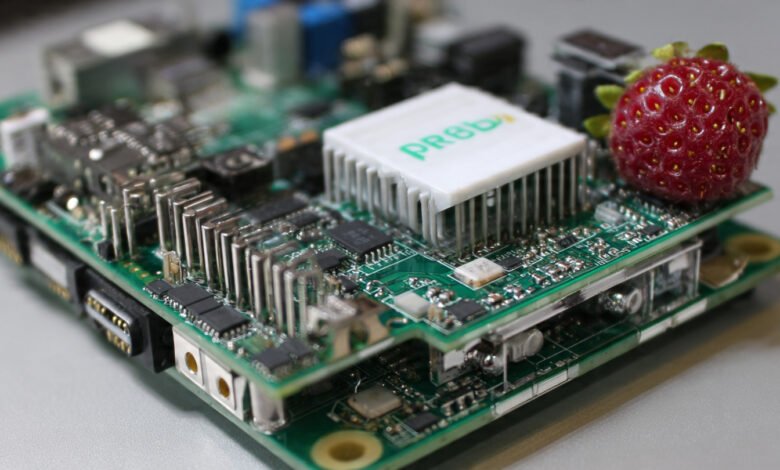
The Internet of Things has transformed how we build connected devices, and choosing the right IoT development board can make or break your prototyping project. Whether you’re a hobbyist experimenting with smart home automation, an engineering student building your first connected device, or a professional developer creating enterprise IoT solutions, selecting the appropriate development board is your first critical decision.
IoT development boards serve as the foundation for bringing your connected device ideas to life. These compact computing platforms combine microcontrollers or microprocessors with various connectivity options, allowing you to prototype everything from simple temperature sensors to complex industrial monitoring systems. The market offers dozens of options, each with unique strengths, connectivity features, processing power, and price points.
This comprehensive guide examines the best IoT development boards for prototyping available today. We’ll explore popular options like Raspberry Pi, Arduino, ESP32, and specialized boards designed for specific applications. You’ll learn about key specifications that matter, connectivity options (WiFi, Bluetooth, LoRa, cellular), processing capabilities, power consumption, and development ecosystem support. We’ll also cover practical considerations like community support, available libraries, and total cost of ownership.
By the end of this article, you’ll understand which development board fits your specific project requirements, budget, and technical skill level. Let’s dive into the world of IoT prototyping and find your perfect hardware match.
Understanding IoT Development Boards and Their Role in Prototyping
IoT development boards are specialized hardware platforms designed to simplify the process of creating connected devices. Unlike traditional computers, these boards integrate microcontrollers or single-board computers with GPIO pins, communication interfaces, and power management circuits, all optimized for building Internet of Things applications.
What Makes a Development Board Ideal for IoT Projects
The best IoT development boards share several common characteristics that make them suitable for prototyping:
- Connectivity options: Built-in WiFi, Bluetooth, cellular, or LoRa modules
- Low power consumption: Essential for battery-operated IoT devices
- GPIO pins: Digital and analog inputs/outputs for sensors and actuators
- Processing power: Sufficient CPU and memory for data processing
- Development ecosystem: Programming languages, libraries, and IDE support
- Community support: Active forums, documentation, and sample projects
- Affordable pricing: Cost-effective for prototyping and small production runs
When evaluating development boards for prototyping, consider your project’s specific requirements. A simple temperature monitoring system needs different capabilities than a computer vision application or industrial automation controller.
Top 10 Best IoT Development Boards for Prototyping in 2024
1. Raspberry Pi 4 Model B and Raspberry Pi 5
The Raspberry Pi remains the most popular single-board computer for IoT development. The Raspberry Pi 4 Model B and the newer Raspberry Pi 5 offer desktop-class performance in a credit card-sized form factor.
Key specifications:

- Processor: Quad-core ARM Cortex-A76 (Pi 5) or Cortex-A72 (Pi 4)
- RAM options: 2GB, 4GB, or 8GB
- Connectivity: Dual-band WiFi, Bluetooth 5.0, Gigabit Ethernet
- GPIO: 40-pin header with I2C, SPI, UART support
- Price range: $35-$80, depending on RAM configuration
Best for: Complex IoT applications requiring significant processing power, computer vision projects, edge AI applications, and multi-sensor integration.
The Raspberry Pi ecosystem includes millions of developers worldwide, extensive documentation, and thousands of compatible sensors and accessories. You can program it using Python, C++, Java, or even Node.js, making it incredibly versatile for prototyping IoT solutions.
2. Arduino Uno R4 WiFi
Arduino revolutionized maker culture and remains one of the best development boards for beginners and experienced developers alike. The Arduino Uno R4 WiFi brings modern connectivity to the classic Uno form factor.
Key features:
- Microcontroller: Renesas RA4M1 (ARM Cortex-M4)
- Connectivity: Built-in WiFi and Bluetooth
- Operating voltage: 5V (compatible with classic Arduino shields)
- Memory: 256KB Flash, 32KB SRAM
- Price: Approximately $27
Ideal applications: Simple IoT prototyping projects, sensor networks, home automation basics, and educational purposes.
The Arduino platform’s greatest strength lies in its simplicity and massive library ecosystem. The Arduino IDE makes programming accessible even for beginners, while the extensive shield ecosystem allows rapid prototyping without complex wiring.
3. ESP32 Development Board
The ESP32 has become the go-to choice for WiFi-enabled IoT projects on a budget. This powerful microcontroller from Espressif Systems delivers impressive capabilities at an incredibly low price point.
Technical specifications:
- Processor: Dual-core Xtensa LX6 (up to 240MHz)
- Connectivity: WiFi 802.11 b/g/n, Bluetooth 4.2 and BLE
- GPIO: 36 pins with multiple peripheral support
- Memory: Up to 520KB SRAM
- Price: $4-$10 depending on variant
Perfect for: Battery-powered IoT devices, WiFi sensors, BLE beacons, and cost-sensitive projects requiring wireless connectivity.
The ESP32 development board supports multiple programming environments, including Arduino IDE, ESP-IDF, and MicroPython. Its low power consumption modes make it excellent for battery-operated IoT applications.
4. Particle Photon 2
For developers seeking cloud-integrated IoT development, the Particle Photon 2 offers seamless connectivity to Particle’s cloud platform, simplifying device management and over-the-air updates.
Specifications:
- Microcontroller: Realtek RTL8721DM
- Connectivity: WiFi 802.11 a/b/g/n, Bluetooth 5
- Cloud integration: Built-in Particle Cloud support
- GPIO: 20 mixed-signal pins
- Price: Around $25
Best suited for: Commercial IoT prototypes, cloud-connected devices, and projects requiring robust device management.
The Particle ecosystem provides professional-grade tools for IoT development, including fleet management, secure authentication, and cellular connectivity options through their Boron board series.
5. Nordic Semiconductor nRF52840 Development Kit
When Bluetooth connectivity is your primary requirement, the nRF52840 stands out as one of the best IoT boards available. This development kit excels in low-power wireless applications.
Key capabilities:
- Processor: ARM Cortex-M4F (64 MHz)
- Connectivity: Bluetooth 5, Thread, Zigbee, ANT
- Power efficiency: Extremely low power consumption
- Memory: 1MB Flash, 256KB RAM
- Price: Approximately $40
Optimal for: Wearable devices, wireless sensor networks, BLE mesh applications, and battery-critical IoT projects.
Nordic’s comprehensive development environment and excellent documentation make the nRF52840 accessible despite its advanced features. The board supports multiple wireless protocols, offering flexibility for various prototyping scenarios.
6. Adafruit Feather M0 WiFi
Adafruit’s Feather ecosystem provides compact, production-ready development boards with standardized form factors. The Feather M0 WiFi combines small size with WiFi connectivity.
Technical details:
- Microcontroller: ATSAMD21G18 ARM Cortex-M0+
- Connectivity: WiFi 802.11 b/g/n (ATWINC1500 module)
- Power: Built-in LiPo battery charger
- GPIO: 20 GPIO pins
- Price: About $35
Ideal uses: Compact IoT prototypes, portable devices, and projects requiring small form factors with WiFi.
The Feather ecosystem’s standardization means you can swap boards easily while maintaining the same pinout. Adafruit’s extensive tutorials and libraries make prototyping straightforward.
7. BeagleBone Black Wireless
For industrial-grade IoT development, the BeagleBone Black Wireless offers robust processing power and extensive I/O capabilities in a reliable package.
Specifications:
- Processor: AM3358 ARM Cortex-A8 (1GHz)
- Connectivity: WiFi 802.11 b/g/n, Bluetooth 4.1
- GPIO: 65 digital I/O pins
- Memory: 512MB DDR3, 4GB eMMC
- Price: Approximately $60
Best applications: Industrial automation, robotics, real-time processing, and complex IoT systems requiring extensive I/O.
The BeagleBone platform runs full Linux distributions, providing access to standard development tools and libraries. Its PRU (Programmable Real-time Unit) subsystem enables hard real-time applications uncommon in typical development boards.
8. Pycom WiPy 3.0
The Pycom WiPy brings MicroPython to IoT development, making it accessible for Python developers. This board emphasizes rapid development through Python scripting.
Key features:
- Processor: ESP32 dual-core
- Connectivity: WiFi, Bluetooth
- Programming: MicroPython and C
- Expansion: Compatible with Pycom expansion boards
- Price: Around $20
Perfect for: Python developers, rapid prototyping, educational projects, and multi-network IoT applications when paired with expansion boards.
Pycom’s expansion board ecosystem allows adding LoRa, Sigfox, or cellular connectivity to the same base WiPy module, offering flexibility for testing different IoT connectivity options.
9. STM32 Nucleo Boards
STMicroelectronics’ Nucleo boards provide professional-grade ARM Cortex-M microcontrollers with Arduino-compatible headers, bridging hobby and professional IoT development.
Specifications (Nucleo-F411RE example):
- Microcontroller: STM32F411RE ARM Cortex-M4 (100MHz)
- Connectivity: Can add shields for WiFi, Bluetooth, LoRa
- GPIO: Arduino-compatible headers plus ST Morpho connectors
- Memory: 512KB Flash, 128KB SRAM
- Price: $15-$25, depending on model
Ideal for: Professional IoT prototyping, embedded systems development, applications requiring precise control, and learning ARM architecture.
The STM32 ecosystem includes powerful development tools like STM32CubeIDE and extensive peripheral libraries. These development boards excel when you need specific microcontroller features or plan to transition to production with STM32 chips.
10. Onion Omega2+
The Omega2+ delivers a Linux-based IoT platform in an incredibly compact form factor, running OpenWRT for full networking capabilities.
Specifications:
- Processor: MIPS 24KEc (580MHz)
- Connectivity: WiFi 802.11 b/g/n
- Memory: 128MB RAM, 32MB Flash
- Operating system: Linux (OpenWRT)
- Price: Approximately $13
Best for: Network-focused IoT projects, edge computing applications, and compact Linux-based prototypes.
Despite its tiny size (1.75″ × 1″ PCB), the Omega2+ runs a full Linux distribution, enabling use of standard networking tools and programming languages for IoT development.
Key Factors to Consider When Choosing IoT Development Boards
Selecting the best IoT development board for your project requires evaluating multiple factors beyond basic specifications. Here’s what matters most:
Processing Power and Memory Requirements
Different IoT applications demand varying computational resources:
- Simple sensor reading: Basic microcontrollers like Arduino or ESP8266 suffice
- Data processing and filtering: Mid-range options like ESP32 or ARM Cortex-M4 boards
- Machine learning and computer vision: Single-board computers like Raspberry Pi or BeagleBone
- Real-time control: Boards with dedicated real-time capabilities or dual-core processors
Consider both immediate needs and future expansion. Starting with underpowered hardware often leads to complete redesigns later in prototyping.
Connectivity Options for IoT Projects
Connectivity defines how your device communicates with the outside world. Common options include:
- WiFi: Best for indoor projects with existing WiFi infrastructure (ESP32, Raspberry Pi)
- Bluetooth/BLE: Ideal for short-range communication and mobile app integration (nRF52840, Arduino Nano 33 BLE)
- Cellular: Necessary for remote locations without WiFi (Particle Boron, SIM7000-based boards)
- LoRa/LoRaWAN: Perfect for long-range, low-power sensor networks (Pycom LoPy, Heltec LoRa boards)
- Zigbee/Thread: Excellent for mesh networks in home automation
Many modern IoT development boards include multiple connectivity options, providing flexibility during prototyping phases.
Power Consumption and Battery Life
Power efficiency critically impacts IoT device viability, especially for battery-operated deployments:
- Ultra-low power: Nordic nRF52 series, STM32L series (microamps in sleep mode)
- Moderate power: ESP32 with proper sleep management (milliamps active, microamps deep sleep)
- Higher power: Raspberry Pi and BeagleBone (hundreds of milliamps, requiring constant power)
Calculate your project’s power budget early. A sensor reading every 10 minutes has vastly different requirements than continuous video streaming.
Development Environment and Programming Languages
The ease of programming your development board affects prototyping speed:
- Arduino IDE: Beginner-friendly, supports Arduino, ESP32, and many others
- Python/MicroPython: Rapid development on Raspberry Pi, Pycom, and some ESP32 boards
- C/C++: Maximum performance and control across all platforms
- JavaScript/Node.js: Raspberry Pi and other Linux-based boards
- Professional IDEs: STM32CubeIDE, Segger Embedded Studio, PlatformIO
Choose languages and tools matching your team’s expertise or learning goals.
Community Support and Documentation
Active communities accelerate IoT development by providing:
- Troubleshooting assistance: Forums like Arduino Forum, Raspberry Pi Forums, ESP32.com
- Example projects: GitHub repositories, Hackster.io, Instructables
- Libraries and drivers: Pre-written code for sensors, actuators, and protocols
- Video tutorials: YouTube channels dedicated to specific development boards
Established platforms like Arduino and Raspberry Pi have enormous communities, while newer boards may lack comprehensive resources.
Cost Considerations for Prototyping
Total prototyping costs extend beyond board prices:
- Board cost: $5-$100, depending on capabilities
- Accessories: Power supplies, cases, cables ($10-$30)
- Sensors and modules: $2-$50 per component
- Development tools: Some require specific programmers or debuggers ($20-$100)
- Cloud services: Ongoing costs for data storage and processing
Budget-conscious prototyping often starts with ESP32 or Arduino clones, while professional projects justify investing in quality development boards with better support.
Connectivity Technologies in IoT Development Boards
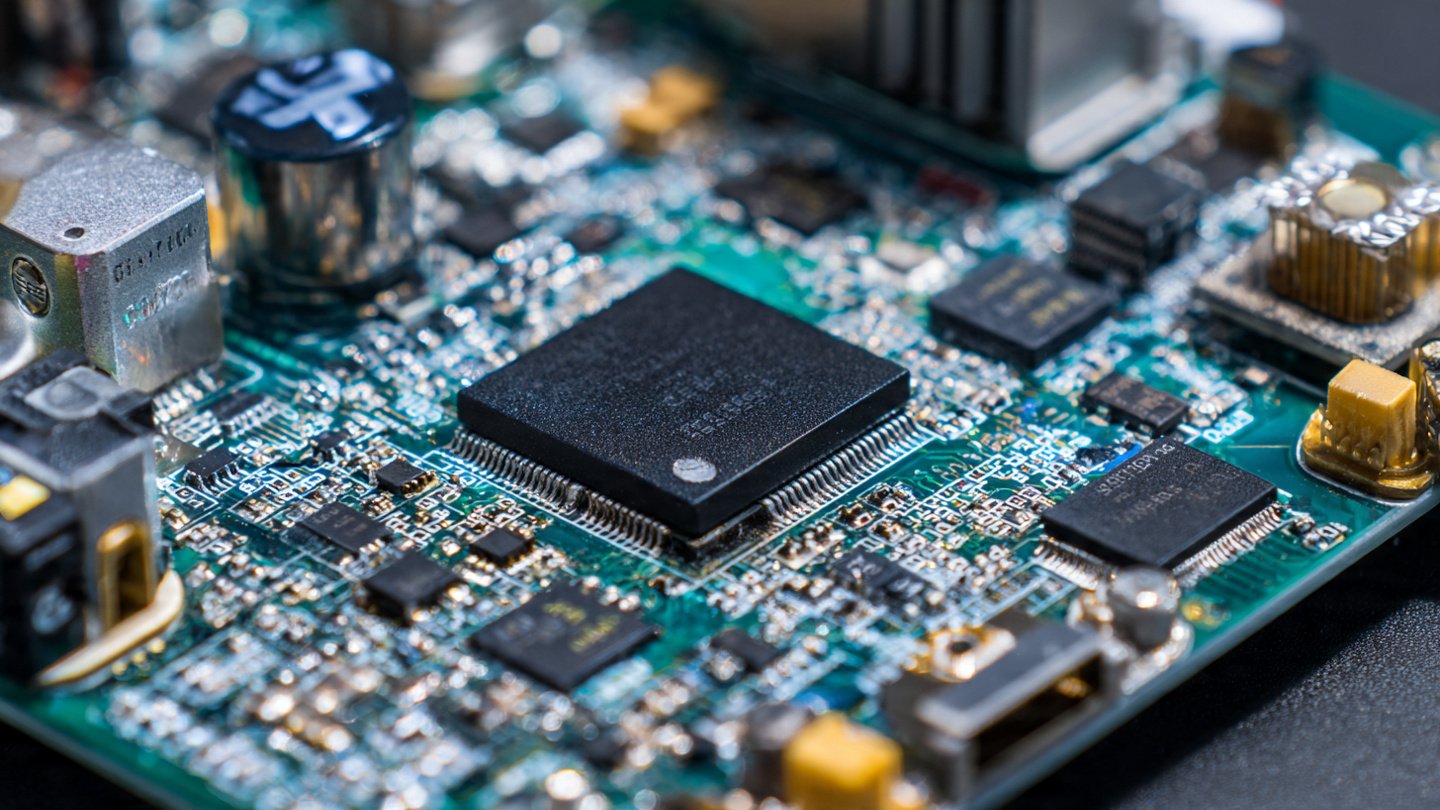
Understanding wireless connectivity options helps match IoT development boards to project requirements.
WiFi-Enabled Development Boards
WiFi remains the most common connectivity choice for IoT devices, offering high bandwidth and easy integration with existing infrastructure.
Top WiFi-enabled boards:
- ESP32: Most cost-effective WiFi solution with dual-core processing
- Raspberry Pi: Enterprise WiFi with dual-band support
- Arduino Uno R4 WiFi: Combines Arduino simplicity with wireless connectivity
- Particle Photon 2: Cloud-integrated WiFi with professional device management
WiFi excels when:
- Devices operate in environments with existing WiFi networks
- Higher data throughput is required (video, audio, frequent updates)
- Local network integration is important
- Power consumption isn’t the primary concern
Bluetooth and BLE Integration
Bluetooth Low Energy (BLE) dominates short-range IoT applications, particularly for mobile app integration and wearable devices.
Leading Bluetooth boards:
- Nordic nRF52840: Industry-leading BLE performance and range
- ESP32: Combines WiFi and Bluetooth in one affordable package
- Arduino Nano 33 BLE: Compact form factor with BLE connectivity
BLE advantages include:
- Extremely low power consumption (years on coin cell batteries)
- Direct smartphone integration without gateways
- Mesh networking capabilities (Bluetooth Mesh)
- Lower cost than cellular or WiFi modules
Cellular IoT Boards
Cellular connectivity enables IoT devices to operate anywhere with mobile network coverage, crucial for remote monitoring applications.
Cellular-capable options:
- Particle Boron: LTE Cat-M1/NB-IoT with cloud integration
- Arduino MKR NB 1500: Narrowband IoT connectivity
- SIM7000E/SIM7600 shields: Add cellular to existing boards
Cellular makes sense when:
- Devices are deployed in remote locations without WiFi
- Mobile operation is required
- Reliable wide-area coverage is critical
- Budget accommodates ongoing data costs
LoRa and LoRaWAN for Long-Range Communication
LoRa technology provides kilometer-range communication with minimal power consumption, ideal for distributed sensor networks.
LoRa-compatible boards:
- Pycom LoPy4: Multi-network capability, including LoRa
- Heltec WiFi LoRa 32: Combines ESP32 with LoRa radio
- RAK Wireless boards: Professional-grade LoRaWAN gateways and nodes
LoRa excels for:
- Agricultural monitoring across large properties
- Smart city sensor deployments
- Asset tracking with long battery life
- Areas lacking traditional connectivity infrastructure
According to The Things Network, LoRaWAN networks can achieve ranges of 2-5 km in urban areas and up to 15 km in rural settings with appropriate antennas.
Specialized IoT Development Boards for Specific Applications
Beyond general-purpose development boards, specialized options address specific IoT use cases.
AI and Machine Learning at the Edge
Edge AI brings intelligence directly to IoT devices, enabling real-time decision-making without cloud dependency.
AI-capable boards:
- NVIDIA Jetson Nano: Powerful GPU for computer vision and deep learning ($99)
- Google Coral Dev Board: Tensor Processing Unit for efficient AI inference
- OpenMV Cam H7: Machine vision specifically designed for microcontrollers
- Arduino Portenta H7: Dual-core processing with AI capabilities
Edge AI development boards enable applications like:
- Visual quality inspection in manufacturing
- Facial recognition for security systems
- Predictive maintenance through sensor analysis
- Voice recognition in smart home devices
Industrial IoT Development Boards
Industrial IoT applications demand rugged hardware, extended temperature ranges, and reliable operation in harsh environments.
Industrial-grade options:
- Siemens IOT2040: Industrial shield for Arduino with real-time capabilities
- Advantech WISE-4000 series: Industrial wireless sensor nodes
- Phoenix Contact PLCnext: PLC functionality with IoT connectivity
- Beckhoff CX series: Industrial PC platforms for complex automation
Industrial development boards typically include:
- Wide operating temperature ranges (-40°C to +85°C)
- DIN rail mounting options
- Industrial communication protocols (Modbus, PROFINET, EtherCAT)
- Robust power supplies and EMI protection
Environmental Sensing Boards
Specialized environmental monitoring boards integrate multiple sensors for air quality, weather, and pollution tracking.
Environmental sensing platforms:
- Pimoroni Enviro+: Air quality monitoring for Raspberry Pi
- SparkFun Environmental Combo: Integrated humidity, pressure, and temperature
- Adafruit CLUE: Multi-sensor board with display for data visualization
These boards simplify prototyping environmental monitoring systems by combining commonly needed sensors in tested configurations.
Getting Started with Your First IoT Prototype
Beginning IoT development can feel overwhelming, but following a structured approach ensures success.
Step 1: Define Project Requirements
Before purchasing any development board, clarify:
- Functionality: What should the device do?
- Connectivity needs: How will it communicate?
- Power source: Battery, USB, or AC power?
- Physical constraints: Size limitations, mounting requirements
- Budget: Total project cost, including components and accessories
- Timeline: Development deadline and learning curve tolerance
Writing a simple requirements document prevents expensive mistakes during prototyping.
Step 2: Choose the Appropriate Development Board
Match requirements to board capabilities:
- First-time builders: Arduino Uno or ESP32 for approachable learning curves
- WiFi connectivity: ESP32 or Raspberry Pi, depending on processing needs
- Battery operation: nRF52840 or ESP32 with sleep modes
- Complex processing: Raspberry Pi 4 or BeagleBone Black
- Budget constraints: ESP32 offers incredible value
Don’t over-engineer. Simple projects don’t need expensive development boards.
Step 3: Gather Essential Components and Tools
Basic IoT prototyping requires:
Hardware:
- Development board of choice
- USB cable for programming
- Breadboard and jumper wires
- Power supply appropriate for your board
- Sensors specific to your application
- Actuators (LEDs, motors, relays as needed)
Software:
- Development environment (Arduino IDE, Thonny, VS Code)
- Drivers for your board
- Libraries for sensors and connectivity
Tools:
- Multimeter for debugging electrical issues
- Wire strippers and basic hand tools
- Optional: Soldering iron for permanent connections
Step 4: Build and Test Incrementally
Successful prototyping happens in stages:
- Blink LED: Verify basic programming and board functionality
- Read sensor: Connect and test individual sensors
- Display data: Output readings via serial monitor or display
- Add connectivity: Implement WiFi, Bluetooth, or other networking
- Cloud integration: Send data to cloud platforms
- Refine and optimize: Improve code efficiency and power consumption
Testing each component independently before integration prevents troubleshooting nightmares.
Step 5: Leverage Online Resources
The IoT development community provides extensive free resources:
- Official documentation: Start with manufacturer tutorials and examples
- YouTube channels: GreatScott!, Andreas Spiess, DroneBot Workshop
- Online courses: Coursera, Udemy, and edX offer IoT courses
- Forums: Arduino Forum, Reddit r/arduino, ESP32.com
- Project sites: Hackster.io, Instructables, Element14 Community
Learning from others’ projects accelerates your prototyping journey significantly.
Common Challenges in IoT Prototyping and Solutions
Even experienced developers encounter obstacles during IoT development. Here are common issues and solutions.
Power Management Issues
Problem: Device drains batteries quickly or experiences unstable operation.
Solutions:
- Implement proper sleep modes on microcontrollers
- Use voltage regulators appropriate for your board
- Calculate actual power consumption with multimeters
- Consider solar charging for outdoor deployments
- Choose development boards with built-in power management
The ESP32, for example, supports multiple sleep modes, reducing consumption from 160mA active to 10µA in deep sleep.
Connectivity Reliability
Problem: Wireless connections drop frequently or fail to establish.
Solutions:
- Implement retry logic and connection watchdogs
- Use stronger antennas for WiFi and LoRa boards
- Position devices away from interference sources
- Update firmware and libraries regularly
- Consider mesh networking for extended coverage
Many IoT development boards include external antenna connectors for improved signal quality.
Sensor Accuracy and Calibration
Problem: Sensor readings are inconsistent or inaccurate.
Solutions:
- Properly power sensors with clean, stable voltage
- Implement software filtering (moving averages, Kalman filters)
- Calibrate sensors against known references
- Shield sensors from environmental interference
- Use higher-quality sensor modules for critical applications
Quality sensors make the difference between frustrating and successful prototypes.
Debugging Wireless Devices
Problem: Difficult to debug devices without serial connections.
Solutions:
- Implement remote logging to cloud services
- Use onboard LEDs for status indication
- Add OLED displays for local debugging
- Preserve serial debugging during development
- Utilize over-the-air (OTA) update capabilities
Many modern development boards support OTA updates, allowing firmware changes without physical access.
Transitioning from Prototype to Production
Successful prototypes eventually need to scale to production volumes, requiring different considerations.
From Development Board to Custom PCB
Development boards excel for prototyping but often aren’t suitable for production:
Reasons to design custom PCBs:
- Cost reduction at scale
- Size optimization
- Power efficiency improvements
- Removal of unnecessary features
- Professional appearance
When to stay with development boards:
- Low volume production (under 100 units)
- Rapid iteration is still needed
- Development costs exceed production savings
- Time-to-market is critical
Services like OSH Park and PCBWay make custom PCB design accessible for IoT developers transitioning to production.
Module Selection for Production
Rather than full development boards, production often uses modules:
- ESP32 modules: Smaller footprint than dev boards, FCC certified
- Raspberry Pi Compute Module: Industrial version without connectors
- Nordic nRF52 modules: Pre-certified Bluetooth modules
- Particle P2: Production-ready WiFi module with cloud support
Modules balance customization flexibility with regulatory compliance and cost.
Testing and Quality Assurance
Production IoT devices require thorough testing:
- Functional testing: Verify all features work correctly
- Environmental testing: Temperature, humidity, vibration resistance
- Connectivity testing: Range, interference, network compatibility
- Power testing: Battery life verification, power consumption measurements
- Security testing: Vulnerability assessment, encryption verification
Investing in proper testing prevents expensive recalls and reputation damage.
Future Trends in IoT Development Boards
The IoT development landscape continues evolving rapidly with emerging technologies.
RISC-V Architecture Adoption
Open-source RISC-V processors are appearing in new development boards, offering:
- No licensing fees for commercial use
- Customizable instruction sets
- Growing software ecosystem
- Lower costs in volume production
Boards like the Seeed XIAO ESP32C3 demonstrate RISC-V’s viability for IoT applications.
Increased AI Integration
Edge AI becomes standard in IoT development boards as:
- Neural network accelerators become affordable
- TinyML frameworks enable AI on microcontrollers
- Pre-trained models simplify implementation
- Privacy concerns favor local processing
Expect more boards with dedicated AI hardware at lower price points.
Enhanced Security Features
Security receives increased focus in IoT development:
- Hardware security modules (HSMs)are becoming standard
- Secure boot and encrypted firmware
- Certificate-based authentication
- Built-in secure enclaves for sensitive data
Modern development boards increasingly include security features once reserved for enterprise hardware.
5G and WiFi 6 Connectivity
Next-generation wireless technologies enable new IoT applications:
- Higher bandwidth for video and data-intensive applications
- Lower latency for real-time control systems
- Improved efficiency for battery-powered devices
- Better performance in crowded RF environments
While currently expensive, 5G and WiFi 6 development boards will become mainstream as chip prices decrease.
Conclusion
Selecting the best IoT development boards for prototyping depends entirely on your project requirements, technical expertise, and budget constraints. ESP32 boards offer unbeatable value for WiFi-connected projects, while Raspberry Pi provides desktop-class computing for complex applications. Arduino remains the gold standard for beginners and educational purposes, and specialized boards like the nRF52840 excel in specific use cases requiring low power or advanced Bluetooth capabilities.
Success in IoT development comes from matching board capabilities to project needs rather than simply choosing the most powerful or popular option. Start with clear requirements, prototype incrementally, leverage community resources, and don’t hesitate to experiment with different development boards as your projects evolve. The vibrant IoT ecosystem ensures you’ll find the perfect platform to bring your connected device ideas to life.