Blockchain for Beginners: Where to Start Learning
Explore blockchain for beginners with our comprehensive guide. Learn decentralization, cryptocurrency basics, and discover the best platforms.

Are you curious about blockchain technology but don’t know where to begin? You’re not alone. The blockchain ecosystem has grown exponentially, yet many aspiring learners find it overwhelming to navigate. This comprehensive guide breaks down complex concepts into digestible sections, making blockchain for beginners accessible to everyone regardless of technical background. Whether you’re interested in cryptocurrency, distributed ledger systems, or exploring decentralized applications, this article provides a roadmap for your learning journey.
Blockchain education has never been more critical in today’s digital world, and this beginner’s guide will equip you with foundational knowledge to confidently discuss and understand this revolutionary technology. By the end of this article, you’ll have clarity on core concepts, practical learning resources, and a clear pathway to deeper expertise in blockchain development and cryptocurrency transactions.
What is Blockchain Technology?
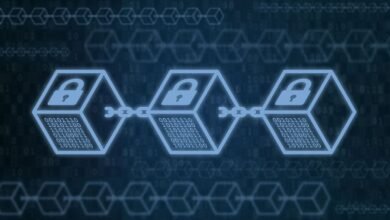
Blockchain is fundamentally a distributed digital ledger that records transactions across a peer-to-peer network. Unlike traditional centralized databases, a blockchain system stores data in interconnected blocks that are cryptographically linked together, forming an immutable chain. Each block contains transaction data, timestamps, and cryptographic hashes that reference the previous block, creating an unbreakable historical record.
The beauty of blockchain technology lies in its transparency and security. Once data is recorded in a block and added to the blockchain network, it becomes virtually impossible to alter without the consensus of the majority of network participants. This immutability makes blockchain ideal for applications requiring high trust and auditability. The distributed ledger approach eliminates the need for a central authority, enabling participants to verify transactions independently without intermediaries.
The Core Principles of Blockchain
Decentralization: The Foundation of Blockchain
Decentralization is the cornerstone principle of beginner’s blockchain technology. In traditional systems, a single central entity—like a bank or government—controls all data and transactions. Decentralized networks, conversely, distribute control across multiple independent participants called nodes. Each node maintains a complete copy of the blockchain ledger, ensuring no single point of failure.
This distributed architecture offers significant advantages. When one node goes offline, thousands of others continue operating. The peer-to-peer network structure makes the system resilient against attacks and censorship. Decentralization in blockchain also promotes transparency, as every participant can independently verify transactions and audit the entire transaction history.
Cryptography: Securing Your Assets
- Cryptography is the security mechanism protecting Bitcoin blockchain transactions. The technology uses two types of cryptographic keys: public keys and private keys. Your public key functions like a bank account number—it’s publicly visible and allows others to send you cryptocurrency. Your private key is a confidential code that proves ownership and authorizes transactions.
- Blockchain cryptography employs advanced algorithms such as SHA-256 and elliptic curve cryptography to create digital signatures. These signatures ensure that only the legitimate owner can initiate transactions and prevent unauthorized modifications. The cryptographic security in blockchain systems has proven virtually unbreakable, making it the preferred technology for securing digital assets.
Consensus Mechanisms: Agreement Without Trust
- Consensus mechanisms are the protocols that blockchain networks use to achieve agreement on transaction validity without requiring a trusted central authority. The two primary consensus mechanisms are Proof of Work (PoW) and Proof of Stake (PoS).
- Proof of Work, utilized by Bitcoin, requires network participants—called miners—to solve complex mathematical puzzles. The first miner to solve the puzzle earns the right to add the next block to the blockchain. This process is resource-intensive but provides exceptional security through computational difficulty.
- Proof of Stake, used by modern blockchains like Ethereum 2.0, selects validators based on their cryptocurrency holdings. Validators must deposit collateral, incentivizing honest behavior. This approach is more energy-efficient than Proof of Work while maintaining robust security for the blockchain network.
Types of Blockchain Networks

Public vs. Private Blockchains
- Public blockchains are permissionless networks where anyone can join, participate in transaction validation, and review the entire transaction history. Bitcoin and Ethereum are prime examples of public blockchain systems. These decentralized networks prioritize transparency and security through widespread distribution.
- Private blockchains operate differently—a single organization or consortium controls access and determines who can participate. While private blockchain networks offer greater privacy and efficiency, they sacrifice some decentralization benefits. Ripple, used for banking transactions, exemplifies a private blockchain application in the financial sector.
Cryptocurrency Within Blockchain
Cryptocurrency is a digital asset that operates on blockchain infrastructure. Bitcoin, Ethereum, and thousands of altcoins represent different implementations of blockchain technology for currency and value transfer. Cryptocurrency transactions are processed, verified, and permanently recorded on the distributed ledger.
The key distinction: blockchain is the underlying technology, while cryptocurrency is an application running on that technology. Think of blockchain as the railway tracks and cryptocurrency as the trains traveling on those tracks. This relationship helps beginners understand that blockchain networks have applications far beyond cryptocurrency alone.


Key Components of Blockchain Systems
Blocks: The Data Storage Units
A block in a blockchain is a data container holding transaction information, timestamps, and cryptographic hashes. Each block references the previous block’s hash, creating the chain structure. When a block reaches capacity, the blockchain generates a new block and links it cryptographically to the previous one.
Smart Contracts: Automated Execution
Smart contracts are self-executing programs stored on the blockchain. These digital agreements automatically enforce and execute terms when predetermined conditions are met, without requiring intermediaries. Ethereum popularized smart contracts, enabling developers to build complex decentralized applications.
Nodes: Network Participants
Nodes are computers running the blockchain software. Each node maintains a complete or partial copy of the blockchain ledger, validates transactions, and participates in consensus mechanisms. Blockchain nodes work collectively to maintain network integrity and security.
Blockchain vs. Traditional Databases
Traditional databases differ fundamentally from blockchain systems. Centralized databases store data in a single location controlled by one entity, creating vulnerability to hacks and censorship. A blockchain distributes data across numerous nodes, making unauthorized changes nearly impossible.
Traditional databases offer faster transaction processing due to centralized control, while blockchain networks prioritize security and decentralization over speed. However, as blockchain technology matures, transaction speeds are improving significantly. The immutability offered by blockchain makes it superior for applications requiring permanent, auditable records—areas where traditional databases fall short.
Real-World Applications of Blockchain Technology
Finance and Cryptocurrency
Beyond cryptocurrency transactions, blockchain technology enables decentralized finance (DeFi) applications. Users can lend, borrow, and trade digital assets without traditional financial intermediaries. Blockchain-based payment systems offer faster international transfers at lower costs than conventional banking.
Supply Chain Management
Blockchain networks provide transparency and traceability in supply chains. Companies can record product movement from manufacturer to consumer, creating an immutable record. This transparency combats counterfeiting and improves accountability throughout the supply chain.
Healthcare and Identity Verification
Blockchain technology secures medical records while giving patients control over their data. Distributed ledger systems verify identities without exposing personal information, enhancing privacy while preventing fraud.
Voting Systems and Governance
Blockchain-based voting systems ensure transparent, tamper-proof elections. The distributed ledger records votes immutably while maintaining voter anonymity, increasing election integrity.
Where to Start Learning Blockchain
Online Learning Platforms
Several platforms excel at blockchain education for beginners. Coursera, Udemy, and edX offer comprehensive blockchain courses ranging from introductory to advanced levels. Microsoft Learn provides free resources on blockchain fundamentals. Cyfrin Updraft specializes in rigorous blockchain development courses combining theory with hands-on practice.
Documentation and Tutorials
Official documentation from Bitcoin, Ethereum, and Cardano projects provides authoritative resources. YouTube channels dedicated to blockchain technology offer visual learning opportunities. Websites like GeeksforGeeks and Simplilearn publish detailed blockchain tutorials explaining complex concepts clearly.
Developer Communities
Joining Discord servers, GitHub communities, and Reddit forums connects you with experienced developers and fellow learners. Communities like r/blockchain and dedicated Discord channels provide real-time support for your blockchain learning journey.
Hands-On Coding Projects
The most effective way to master blockchain technology is by building projects. Start with simple applications like cryptocurrency wallets or blockchain explorers that display transaction data. Progress to smart contract development using tools like Remix IDE and programming languages such as Solidity.
Recommended Learning Path
Phase 1: Foundational Knowledge (Weeks 1-2)
Begin with blockchain basics: what blockchain is, how decentralization works, and why blockchain technology matters. Learn cryptocurrency fundamentals, the difference between blockchain and traditional databases, and the role of cryptography. Complete introductory courses on platforms like Coursera or Khan Academy.
Phase 2: Core Concepts (Weeks 3-4)
Deepen your knowledge of consensus mechanisms, smart contracts, and blockchain networks. Study different blockchain types—public, private, and permissioned. Understand blockchain security principles and the technology’s historical development from Bitcoin’s creation to modern implementations.
Phase 3: Technical Exploration (Weeks 5-8)
Install a blockchain wallet and explore the Ethereum network using blockchain explorers. Write your first smart contract using Solidity. Understand gas fees, blockchain transactions, and how distributed ledger systems process data. Experiment with testnet environments before mainnet involvement.
Phase 4: Project Development (Weeks 9+)
Build meaningful projects demonstrating your blockchain technology knowledge. Create a decentralized application (dApp), develop an NFT contract, or build a voting system. These projects solidify your expertise and showcase expertise to potential employers or collaborators.
Essential Tools and Resources for Beginners

Wallet Management
MetaMask and Ledger are leading blockchain wallets for managing cryptocurrency securely. These tools enable interaction with decentralized applications and manage your digital assets on the blockchain network.
Development Environments
Remix IDE provides browser-based smart contract development. Hardhat and Truffle offer comprehensive frameworks for blockchain development. These tools streamline blockchain project creation and testing.
Blockchain Explorers
Etherscan and BlocsExplorer allow you to view blockchain transactions, smart contracts, and account details in real-time. These explorers demystify blockchain beginner technology by showing how distributed ledgers work in practice.
Educational Websites
Websites like Investopedia, CoinMarketCap, and Decrypt provide news, analysis, and educational content about blockchain technology and cryptocurrency markets. These resources keep you informed as the blockchain industry evolves.
Common Challenges and How to Overcome Them
Information Overload
The blockchain ecosystem generates enormous amounts of information. Combat this by focusing on fundamentals before exploring specialized topics. Use reputable sources for blockchain education and avoid sensationalized content.
Technical Complexity
Blockchain beginner technology involves mathematical concepts and programming. Don’t be discouraged—most successful developers started as beginners. Practice incrementally, build projects progressively, and join communities for support.
Rapidly Changing Landscape
Blockchain evolves quickly with new protocols, regulations, and applications emerging constantly. Stay updated through newsletters, podcasts, and community discussions. Focus on core principles that remain constant.
Security Concerns
Never share private keys or seed phrases. Use hardware wallets for significant holdings. Understand common scams and security best practices before engaging with blockchain beginner networks and cryptocurrency transactions.
The Future of Blockchain Learning
As blockchain beginner technology matures, educational resources continue to improve. Universities now offer blockchain courses. Industry certifications in blockchain development are becoming recognized credentials. The field’s evolution means your blockchain education is an ongoing journey.
Emerging technologies like Layer 2 scaling solutions, interoperability protocols, and institutional adoption are reshaping the blockchain landscape. Staying committed to continuous learning ensures you remain current in this dynamic field.
More Read: Machine Learning Algorithms Explained for Beginners
Conclusion
Blockchain for beginners doesn’t have to be intimidating. By core principles like decentralization, cryptography, and consensus mechanisms, you’ve laid a foundation for deeper exploration. The blockchain ecosystem offers tremendous opportunities for developers, entrepreneurs, and enthusiasts. Start with free resources and foundational courses, build small projects, and gradually advance to complex smart contract development. Join communities, engage with experienced practitioners, and maintain curiosity about this transformative blockchain technology. Whether your goal is cryptocurrency investment, blockchain development, or simply distributed systems, the pathways exist. Your blockchain learning journey begins today—pick a resource, start building, and join thousands transforming industries through blockchain technology.