How Robots Are Actually Being Used in Restaurants
Discover how Restaurants robots revolutionize kitchens & service. Explore automation benefits, real-world examples, and the future of food service.

The image of robots in restaurants has long been confined to science fiction films and futuristic fantasies, yet today this concept has become a tangible reality, reshaping the dining industry. Restaurant robots are no longer experimental technology relegated to major metropolitan tech hubs—they’re actively operating in establishments ranging from small independent eateries to major fast-food chains like Chick-fil-A, Burger King, and Sweetgreen. The global adoption of kitchen automation represents a fundamental shift in how food is prepared, served, and experienced by millions of diners worldwide.
The accelerating implementation of robotic automation in restaurants stems from a convergence of pressing industry challenges and technological advancements. Labor shortages that intensified during the COVID-19 pandemic have persisted despite economic recovery, forcing restaurant operators to seek innovative workforce solutions. Simultaneously, rising minimum wages—California’s fast-food workers now earn $20 per hour—have squeezed profit margins, making food service automation an increasingly attractive investment. The global food automation market is projected to reach $17.2 billion by 2032, representing a remarkable 237% increase from 2024 levels.
Beyond addressing labor scarcity and cost pressures, restaurant automation technology offers compelling operational advantages. Robots deliver unprecedented consistency in food preparation, eliminate human error during repetitive tasks, and maintain hygiene standards critical to modern consumers. The post-COVID normalization of contactless service has solidified customer acceptance of robotic systems in foodservice, transforming what once seemed like novelty attractions into legitimate operational tools. Understanding how restaurants actually implement these technologies—from burger-flipping robots to autonomous food-runners—provides insight into the transformation reshaping the hospitality industry.
The Current State of Robot Implementation in Restaurants
How Restaurants Are Using Robots Today
Restaurant robots have transcended theoretical concepts to become practical problem-solvers across diverse food service environments. The implementation of kitchen automation ranges from sophisticated integrated systems to targeted, task-specific solutions designed for gradual adoption. Major brands have become pioneers in deploying these technologies, offering valuable case studies for smaller establishments considering similar investments.
White Castle’s partnership with Miso Robotics exemplifies successful robotic kitchen automation. The company deployed Flippy 2, an advanced burger-flipping robot that handles frying, seasoning, and finishing of food products. This robotic arm seamlessly integrates into existing kitchen layouts without requiring complete operational restructuring. White Castle’s immediate results included improved daily operational efficiency, enhanced team productivity, and superior product consistency—demonstrating measurable return on investment that justified the initial technological expense.
Sweetgreen’s Infinite Kitchen automation system represents another breakthrough application of food service automation. After acquiring the Spyce technology, Sweetgreen transformed robotic food preparation into a scalable business model. Initial testing at select locations revealed average ticket sales exceeding surrounding markets by over 10 percent. This surprising outcome—where automation paradoxically increased customer spending—prompted rapid expansion of the system across additional locations. The financial impact proved substantial enough that Sweetgreen projects a seven-point margin benefit for locations implementing the automated kitchen system.
Chipotle’s experimentation with purpose-built robots illustrates how restaurant automation addresses specific operational pain points. Chippy, their tortilla chip robot, eliminates tedious manual chip preparation—a monotonous daily task consuming significant kitchen labor hours. Rather than replacing workers, Chippy unburdens employees from repetitive drudgery, allowing them to focus on quality customer interactions and meal customization. Similarly, Chipotle’s Hyphen system demonstrates collaborative robotic automation in restaurants, where machines work alongside humans rather than displacing them.
Types of Restaurant Robots Currently in Operation
Kitchen Preparation and Cooking Robots
Kitchen robots now handle an impressive array of food preparation tasks previously requiring skilled human labor. The category encompasses specialized equipment addressing distinct operational bottlenecks within restaurant automation systems.

Burger-flipping robots represent the most recognizable category of robotic kitchen automation. These sophisticated robotic arms operate continuously without fatigue, maintaining consistent cooking temperatures and timing that frequently exceed human capabilities. Advanced sensors monitor food progress, determining optimal turning and finishing moments with precision impossible for human cooks during peak service periods. The result is uniform product quality regardless of customer volume or time of day.
Pizza-making robots deliver extraordinary throughput, producing more than 100 pizzas per hour while maintaining consistent dough thickness, sauce application, and topping distribution. This throughput capacity enables smaller kitchens to fulfill high-volume orders without expanding kitchen infrastructure. BreadBot similarly automates bread production from scratch, handling kneading, proofing, and baking with minimal human intervention.
Panera Bread’s adoption of CookRight, Miso Robotics’ automated coffee brewing system, showcases how food service automation optimizes beverage preparation. Rather than cutting labor costs—as Panera chief digital officer George Hanson emphasized—CookRight frees employees to concentrate on exceptional customer service and complex drink customization that machines cannot provide. This nuanced application of kitchen automation reflects evolving industry understanding that robot value extends beyond simple cost reduction.
Front-of-House and Delivery Robots
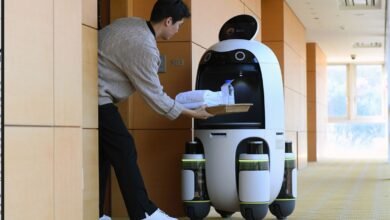
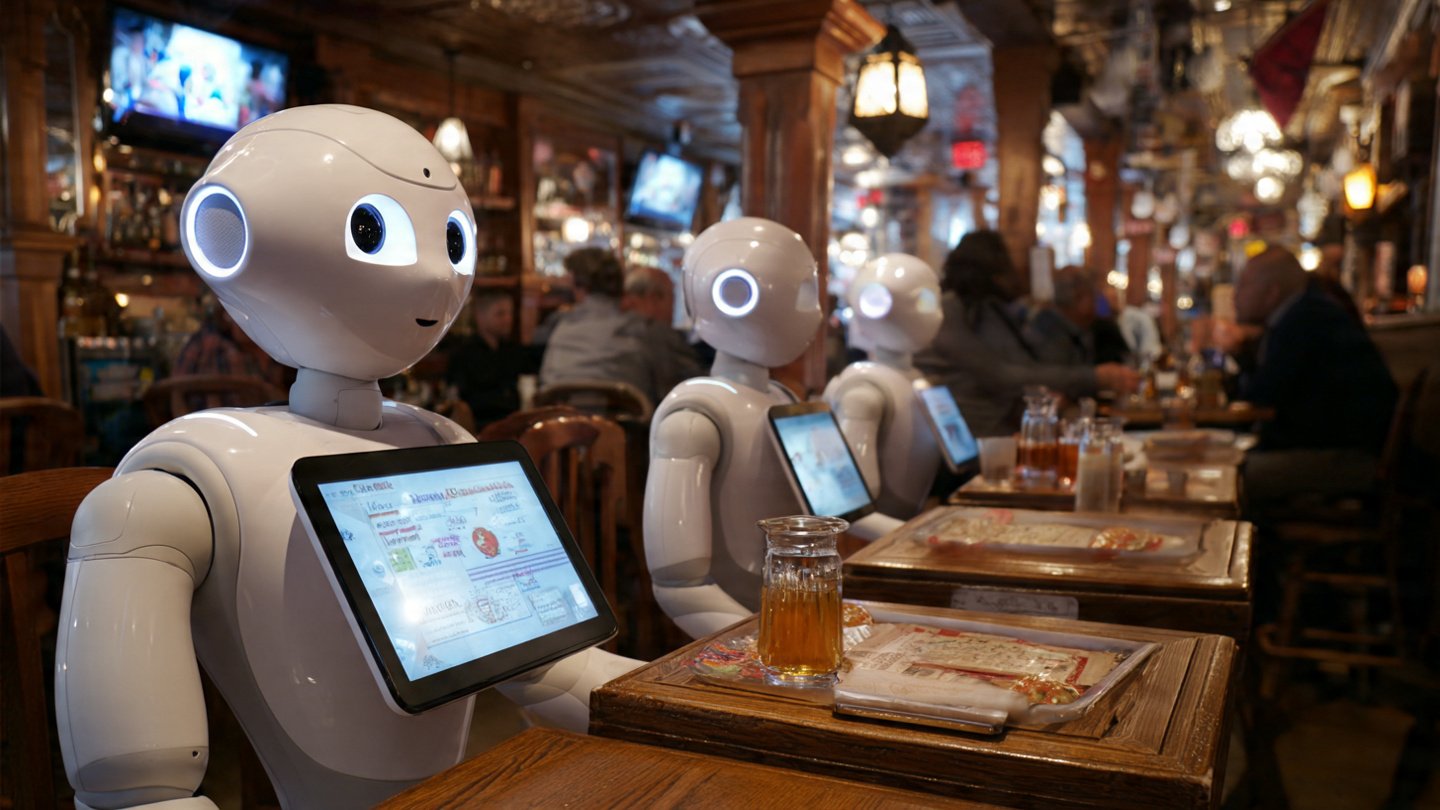
Restaurant delivery robots transform dining room operations and customer service delivery. Servi, created by Bear Robotics, represents the most sophisticated autonomous food-runner currently deployed across multiple restaurant chains, including Chili’s. These robotic food service systems navigate crowded dining environments using advanced LiDAR sensors and collision detection technology, precisely delivering plates while preventing spills.
The advantages of robotic servers extend beyond novelty appeal. Each delivery robot saves approximately 20 labor hours weekly while increasing table turnover by 15-20 percent. This productivity boost stems from robots’ inability to call sick, require training, or tire during long shifts. Servers remain positioned to provide hospitality—upselling specials, ensuring guest satisfaction, and creating memorable dining experiences that robots cannot replicate.
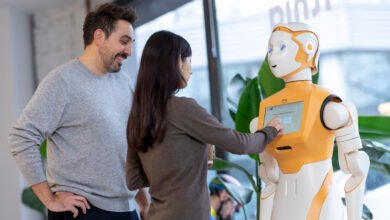
Host robots greet arriving guests, display digital menus, manage wait lists, and escort customers to available tables. These restaurant automation applications handle repetitive front-of-house tasks during peak periods, allowing human hosts to focus on warm, personalized interactions that distinguish exceptional service.
Cleaning and Sanitation Robots
Restaurant cleaning robots address hygiene imperatives increasingly important to modern diners. Floor-cleaning robots continuously sweep and scrub dining areas with intelligent sensors that navigate obstacles while operating quietly. This restaurant automation category maintains ambiance while ensuring pristine environments, particularly valuable in high-traffic establishments where speed and cleanliness prove paramount.
Real-World Examples of Successful Robot Implementation
Major Chains Leading Restaurant Automation Adoption
Successful robot deployment in restaurants demonstrates how diverse business models can benefit from food service automation. The following examples illustrate varying implementation approaches and measurable outcomes.
Miso Robotics partners represent the vanguard of kitchen automation adoption. Beyond White Castle and Chipotle, the company supports Chick-fil-A, Burger King, and other major chains implementing task-specific robotic solutions. This partnership ecosystem generates valuable data demonstrating that restaurant robots deliver consistent productivity improvements regardless of menu complexity or establishment size.
Sweetgreen’s Infinite Kitchen achieved remarkable success, with locations reporting 10 percent higher average ticket sales than surrounding markets. This outcome surprised industry analysts accustomed to viewing restaurant automation primarily through a cost-reduction lens. Instead, improved order accuracy, superior portioning consistency, and enhanced food quality apparently justify premium pricing to Sweetgreen customers, prioritizing consistency and speed.
Kernel, a New York vegan fast-casual restaurant, exemplifies how smaller establishments benefit from robotic kitchen automation. Three human team members collaborate with a robotic arm that places food in ovens and manages assembly line logistics. Staff participate in coding optimizations, timing robotic movements to align with bun-toasting cycles. The result: 100 percent employee retention, compared to an industry average of 144 percent annual turnover. This statistic suggests restaurant automation can paradoxically improve working conditions rather than diminish job satisfaction.
Benefits and Advantages of Restaurant Robot Implementation
Operational Efficiency and Productivity Gains
Restaurant automation delivers measurable operational improvements that directly impact profitability. Kitchen robots operate continuously without breaks, sick days, or fatigue-related performance degradation. This consistency proves particularly valuable during peak service periods when human staff fatigue compromises food quality and service speed.
Robots maintain unwavering consistency in food preparation, eliminating the human error variability that characterizes manual cooking. Temperature maintenance, timing precision, and portion consistency remain constant across hundreds or thousands of meals. This reliability translates into improved customer satisfaction, reduced food waste, and enhanced brand reputation.
Robotic food service automation accelerates table turnover through faster plate delivery and improved bussing efficiency. The resulting capacity expansion enables restaurants to serve additional customers during equivalent time periods, increasing revenue without proportional labor investment.
Labor Cost Reduction and Workforce Optimization
Labor costs represent approximately 36 percent of average restaurant operating expenses, with 98 percent of restaurant operators identifying rising labor costs as critical business challenges. Restaurant automation addresses this pressure through multiple mechanisms.
Researchers estimate that restaurants adopting robotic automation solutions could reduce labor costs by 30-70 ppercentdepending on implementation scope. Full kitchen automation systems generate higher savings percentages, while targeted robot deployment in restaurants produces more modest but still meaningful reductions.
Critically, restaurant robots don’t necessarily eliminate jobs but rather redistribute human effort toward higher-value activities. Employees transition from repetitive, physically demanding tasks to customer service, food customization, and hospitality roles that enhance dining experiences. This workforce evolution creates opportunities for employee upskilling in areas including robotics maintenance, data analysis, and customer service technology.
Enhanced Food Quality and Consistency
Kitchen automation delivers unprecedented consistency impossible for human preparation. Precise temperature control, exact timing, and perfect portion consistency characterize robotic food preparation. Customers receive identical quality regardless of kitchen rush conditions, staff fatigue levels, or time of day.
This consistency strengthens brand reputation, reduces customer complaints related to preparation quality, and justifies premium pricing. Establishments like Sweetgreen have demonstrated that superior consistency actually increases customer willingness to pay, as consumers value reliability and uniform excellence.
Challenges and Limitations of Restaurant Robot Technology
Initial Capital Investment Requirements
The substantial upfront cost of restaurant automation represents the most significant barrier to widespread adoption. Installation costs for comprehensive automated kitchen systems like Sweetgreen’s Infinite Kitchen approach $500,000 per location. This financial requirement makes robotics economically feasible primarily for large chains capable of spreading investment across multiple outlets.
Smaller independent restaurants typically adopt targeted, task-specific robots rather than comprehensive kitchen automation systems. This phased approach allows manageable capital deployment while allowing operators to assess return on investment before expanding robotic deployment.
Technological Limitations and Adaptation Challenges
Current restaurant robots excel at repetitive, standardized tasks but struggle with menu variety and complex customization. Robotic systems require reprogramming for substantial menu modifications, limiting flexibility compared to adaptable human workers. This constraint particularly impacts restaurants emphasizing customized, made-to-order dining experiences.
Integration with existing kitchen layouts and workflows demands careful planning. Although vendors promote robotic systems in foodservice as “drop-in” solutions requiring minimal modification, substantial operational adjustment often proves necessary. Restaurant operators must align workflows, train staff, and modify processes to optimize human-robot collaboration.
Consumer Perception and Psychological Factors
Recent research indicates that consumers perceive food prepared by robots less favorably than identical meals prepared manually. This psychological phenomenon stems from dual contagion effects: automation undermines the symbolic value associated with human care while simultaneously increasing perceived disgust from machine contact. Interestingly, communicating consumer-oriented automation benefits—faster service, superior hygiene, consistent quality—significantly mitigates these negative perceptions.
Forward-thinking restaurants address psychological resistance through strategic communication, emphasizing how restaurant automation enhances rather than diminishes dining quality and service value.
Market Projections and Future Developments in Restaurant Automation
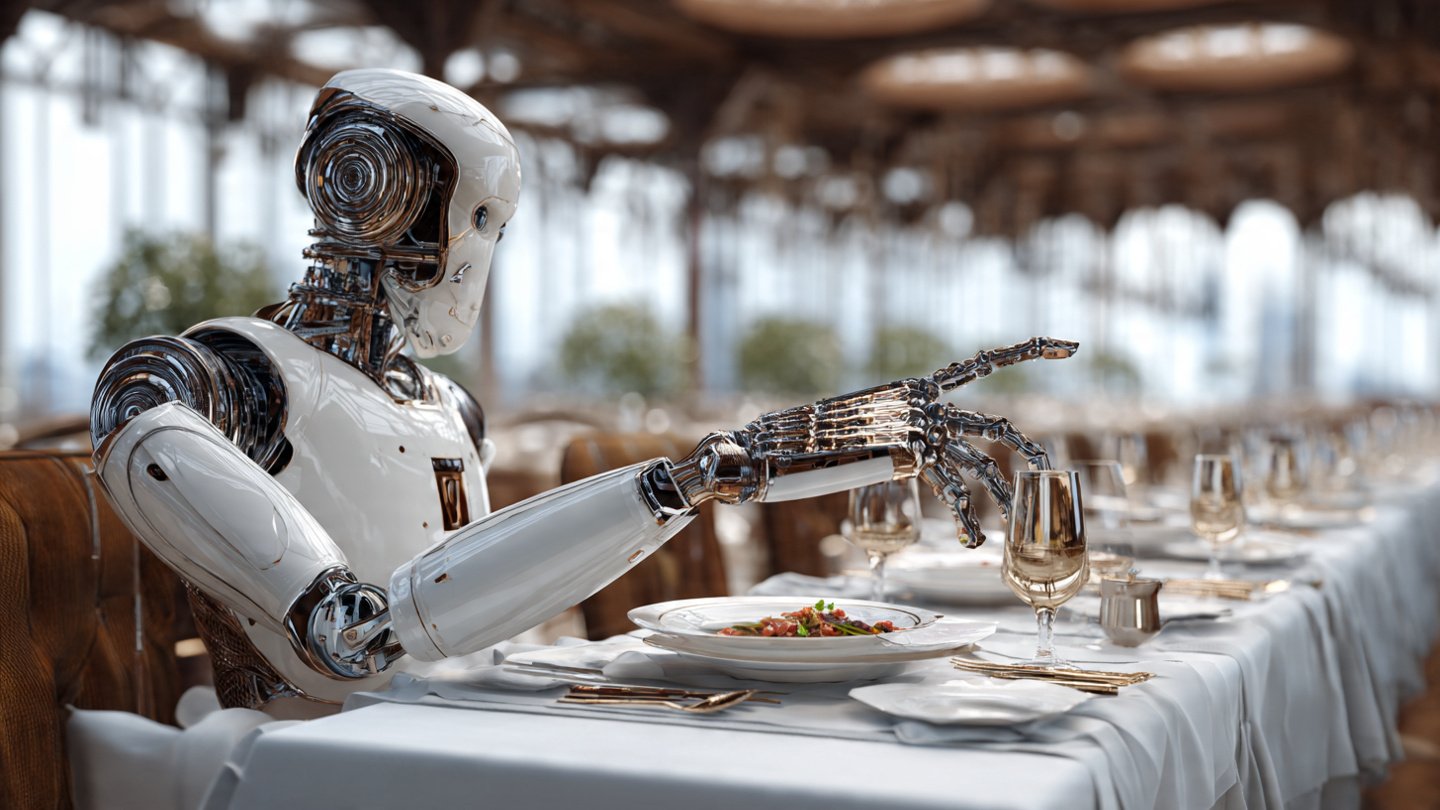
Industry Growth Trajectories
The market trajectory for restaurant automation demonstrates explosive growth potential. The quick-service segment alone is projected to expand from $5.1 billion in 2024 to $17.2 billion by 2032—a compound annual growth rate of 237 percent. This expansion extends across kitchen equipment, robotic systems, ordering technology, and delivery automation.
Current adoption rates underscore accelerating market penetration. Research from Datassential reveals that 50 percent of U.S. restaurants plan to implement some form of automation technology within two to three years. This statistic indicates restaurant automation has transitioned from niche experimentation to mainstream operational strategy.
Emerging Robot Capabilities and Applications
Next-generation restaurant robots will feature enhanced AI capabilities, enabling more sophisticated culinary tasks. Sophisticated systems will handle complex food preparation beyond current simple repetitive functions. End-to-end automation will eventually encompass complete restaurant operations from front-of-house to back-of-house to delivery.
Delivery robots represent particularly promising growth categories. Google Trends analysis documented significant search volume spikes for “restaurant delivery robot” in August-September 2025, indicating strong consumer and industry interest. Restaurant cleaning robots similarly generated notable interest during equivalent periods.
Humanoid robots capable of complex customer interactions represent frontier applications emerging from current technological limitations. These advanced systems will eventually handle activities requiring nuanced social engagement while maintaining operational consistency,i mpossible for fatigued human workers during extended service periods.
How Restaurant Owners Can Implement Robot Technology
Strategic Implementation Planning
Successful restaurant robot adoption requires careful strategic planning rather than hasty deployment. Rather than complete kitchen automation, smaller establishments should adopt gradual, phased rollouts targeting specific operational bottlenecks. Beginning with single-purpose robots handling high-volume repetitive tasks provides manageable financial entry points while generating performance data informing future expansion.
Restaurants should evaluate existing workflows, identifying tasks consuming disproportionate time and labor while presenting minimal customization requirements. Kitchen robots excel at standardized functions like burger-flipping, frying, and simple plating—ideal initial targets for automation investment.
Financial and Operational Considerations
Return on investment calculations for restaurant automation should extend beyond simple labor cost reduction to encompass productivity gains, food waste reduction, consistency-driven quality improvements, and customer satisfaction metrics. Multi-year financial models provide clearer pictures of long-term value than immediate expense-focused analysis.
Staff training proves critical for successful robotic kitchen automation implementation. Employees must understand robot capabilities and limitations, recognize when manual intervention becomes necessary, and maintain systems requiring routine maintenance. Viewing robot deployment as collaborative human-machine integration rather than worker replacement generates superior staff adoption rates and operational outcomes.
Integration With Existing Operations
Successful restaurant automation implementation aligns robotic systems with existing kitchen layouts, workflows, and equipment. Vendors offer varying customization options—some systems require extensive modification, while others truly function as low-disruption additions to existing operations.
Operational testing before full deployment allows staff familiarization, workflow optimization, and identification of implementation issues before permanent installation. This measured approach reduces deployment complications while generating employee confidence in new technology.
The Future of Robots in Food Service
The trajectory of restaurant automation points toward comprehensive end-to-end operations integrating robotic systems in foodservice across every functional dimension. This evolution will fundamentally reshape restaurant work, shifting human roles from repetitive task execution toward customer-facing service, food customization, and hospitality excellence that machines cannot replicate.
Labor market adaptation will prove critical as restaurant robots proliferate. Worker upskilling in robotics maintenance, data analysis, and sophisticated customer service becomes essential. Forward-thinking establishments are already investing in employee development, recognizing that technology integration success depends on workforce capability and enthusiasm rather than simple automation.
Consumer acceptance continues to strengthen as younger demographics normalize robotic service and automation becomes ubiquitous. The convergence of technological advancement, economic necessity, and cultural normalization suggests restaurant automation will become standard industry practice rather than a competitive differentiator within the next 5-10 years.
More Read: Service Robots Revolutionizing Customer Experience
Conclusion
Robots in restaurants have transitioned from speculative future scenarios to operational realities, generating measurable financial and operational benefits across diverse dining establishments. Major chains from White Castle to Sweetgreen have demonstrated that restaurant automation simultaneously addresses labor shortages, reduces costs, improves consistency, and—counterintuitively—sometimes enhances customer satisfaction. While implementation challenges,i ncluding capital requirements, technological limitations, and consumer psychology, persist, the fundamental trajectory toward automated restaurant operations appears irreversible.
As robotic technology in foodservice continues advancing and costs decline through scale and competition, even smaller establishments will increasingly adopt targeted kitchen automation solutions. The future of dining will likely feature seamless human-robot collaboration where machines handle repetitive, standardized preparation and delivery tasks while humans concentrate on creative culinary work and the hospitality excellence that defines memorable dining experiences.