How to Learn Machine Learning A Realistic Timeline
Discover a realistic timeline for learning machine learning. Find out how long it takes to master ML skills, the prerequisites needed, and proven.

Machine learning has become one of the most sought-after skills in the technology industry, revolutionizing how businesses operate and solve complex problems. Whether you’re an aspiring data scientist, software engineer, or business professional, learning how to learn machine learning requires both strategic planning and realistic expectations. The journey to mastering machine learning is not a sprint but a well-structured marathon that demands dedication, proper guidance, and the right resources.
Many aspiring professionals wonder about the machine learning learning Realistic timeline and ask themselves: “How long will it take to become proficient?” The answer varies significantly based on your existing expertise, learning speed, and the depth of knowledge you aim to achieve. Your background in programming, mathematics, and statistics directly impacts your machine learning journey. If you already possess strong programming skills and a solid of statistics, you might accelerate through foundational concepts faster than someone starting from scratch.
This comprehensive guide will walk you through a realistic and practical machine learning roadmap, breaking down the learning process into manageable phases. We’ll explore the prerequisites necessary to build a strong foundation, examine the timeline for different proficiency levels, identify critical machine learning skills to develop, and provide actionable strategies for success. By the end of this article, you’ll have a clear understanding of your personal learning machine learning path and can chart your course toward becoming a competent machine learning professional.
Machine Learning Fundamentals
Before embarking on your machine learning learning journey, it’s essential to understand what machine learning actually is and why it’s become so critical in today’s digital landscape. Machine learning Realistic is a subset of artificial intelligence that enables computers to learn from data and improve their performance without being explicitly programmed for every scenario. Instead of following rigid instructions, machine learning algorithms identify patterns in data, make predictions, and adapt to new information automatically.
The significance of learning machine learning extends beyond theoretical knowledge. According to industry reports, demand for machine learning Realistic engineers has skyrocketed by 344% over recent years, with average salaries exceeding $146,000 annually. Companies like Google, Facebook, and Amazon have made machine learning central to their operations, creating unprecedented opportunities for qualified professionals.
The fundamentals mean grasping how machine learning Realistic models work, the different types of machine learning algorithms, and the practical applications that solve real-world business problems. This foundational knowledge becomes the bedrock for everything you’ll learn moving forward.
Essential Prerequisites for Learning Machine Learning
Programming Knowledge and Skills
One of the most critical prerequisites for machine learning is having solid programming experience. You cannot effectively learn machine learning Realistic without knowing how to write code, manage data structures, and implement algorithms. Python has emerged as the industry standard for machine learning work due to its simplicity, extensive libraries, and strong community support.
Your programming foundation doesn’t need to be advanced, but you should be comfortable with variables, data types, functions, loops, and conditional statements. Many aspiring professionals underestimate the importance of this skill, thinking they can jump directly into machine learning, Realistic concepts. However, machine learning programming requires translating theoretical algorithms into practical code, making programming proficiency non-negotiable.
Beyond Python basics, familiarize yourself with libraries like NumPy for numerical computing, Pandas for data manipulation, and Scikit-learn for machine learning. Realistic algorithm implementation.


Mathematical Foundations
Mathematics forms the theoretical backbone of machine learning, Realistic algorithms. You need to be an with several key areas to truly comprehend how machine learning works internally.
- Linear Algebra is essential for handling vectors and matrices, which are fundamental data structures in machine learning models. Most machine learning Realistic algorithms rely on matrix operations for optimization and transformation.
- Calculus becomes important when training machine learning models. Gradient descent, the primary optimization technique used in deep learning and many machine learning Realistic algorithms, relies on calculus concepts for minimizing error functions and improving model accuracy.
- Probability and Statistics are perhaps the most critical mathematical areas for machine learning learning. Classification and regression algorithms—the backbone of applied machine learning—are built on statistical principles. Probability distributions, Bayesian thinking, and inferential statistics help you select appropriate machine learning algorithms for different problems and interpret results accurately.
Statistical
Machine learning, Realistic statistics is distinct from general statistics; it focuses on extracting patterns from data and making predictions. You should understand concepts like distributions, hypothesis testing, correlation, and variance. Strong statistical knowledge prevents you from building biased or inaccurate machine learning models and helps you validate results effectively.
Realistic Machine Learning Learning Timeline
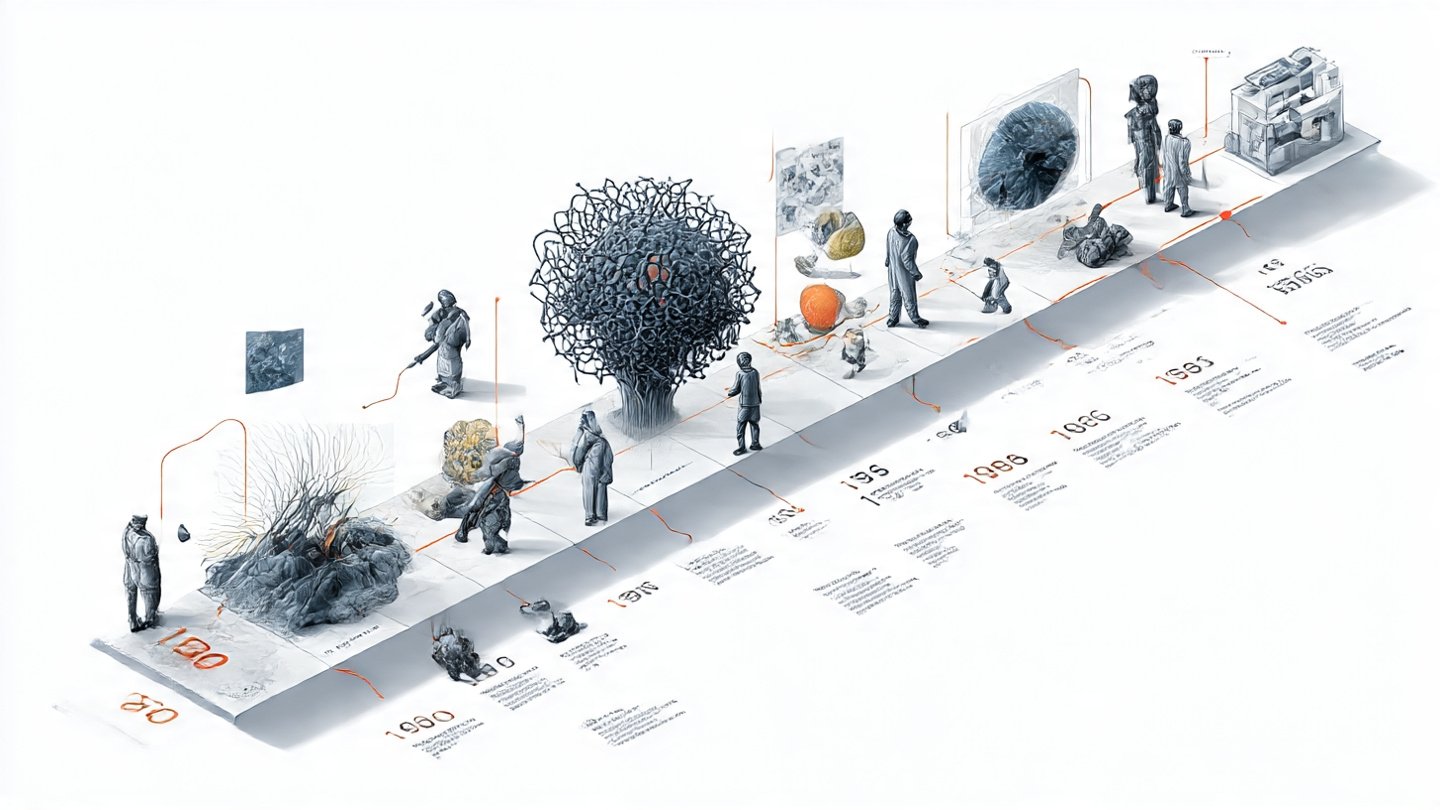
Foundation Phase: Months 1-3
The machine learning foundation phase involves establishing your prerequisites. If you’re starting from zero programming experience, expect to dedicate 3-6 weeks to learning Python basics. This phase covers fundamental programming concepts, basic data structures, and comfort with the Python environment.
Simultaneously, begin building your mathematical and statistical background. Spend time on linear algebra fundamentals, basic probability concepts, and introductory statistics. Many online resources offer accelerated tracks specifically designed for machine learning, Realistic learning, allowing you to focus on the most relevant mathematical concepts rather than a comprehensive mathematics education.
By the end of month three, you should be comfortable writing Python code, basic mathematical notation, and grasping statistical principles. This machine learning Realistic timeline phase is crucial—rushing through it often leads to struggles later.
Core Algorithms Phase: Months 4-8
Once your machine learning learning foundation is solid, transition to learning core machine learning Realistic algorithms. This phase covers supervised learning algorithms like linear regression, logistic regression, decision trees, and random forests, alongside unsupervised learning approaches including K-means clustering and hierarchical clustering.
These machine learning algorithms work; when to apply them, and how to tune their parameters, becomes your focus. Rather than memorizing formulas, concentrate on developing intuition about why different machine learning algorithms behave differently with various datasets.
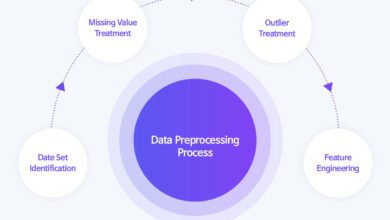
This phase also introduces you to essential machine learning Realistic concepts like overfitting, underfitting, cross-validation, and regularization. You’ll begin working with real datasets, learning data preprocessing, feature engineering, and basic model evaluation techniques.
Practical Application Phase: Months 9-12
By month nine, start working on meaningful machine learning projects. Real-world projects are where theoretical knowledge transforms into practical expertise. Begin with Kaggle competitions, contributing to open-source machine learning projects, or solving business problems using machine learning.
This phase emphasizes building a portfolio demonstrating your machine learning skills to potential employers. You’ll learn model deployment, production considerations, and collaborating with other data professionals. Your machine learning learning timeline accelerates as you apply concepts directly.
Advanced Topics Phase: Month 13 Onwards
After establishing core competency around month 12, explore advanced areas like deep learning, natural language processing, or reinforcement learning based on your career interests. The advanced machine learning specialization takes additional time but builds on your solid foundation.
Factors Affecting Your Machine Learning Learning Duration
Your Starting Point and Background
Your learning of machine learning, Realistic, depends heavily on your existing background. Professionals with programming experience typically progress through foundational concepts faster than beginners. Similarly, those with strong mathematical backgrounds find the prerequisite material more manageable.
Someone transitioning from software development might compress the foundational phase into 4-6 weeks, while a complete beginner might need 3-4 months. This variability explains why different sources cite different machine learning timeline estimates.
Learning Commitment and Schedule
Your available time dramatically impacts your machine learning learning journey. Full-time learners can progress through our suggested machine learning timeline in approximately 12 months. Part-time learners studying 10-15 hours weekly might require 18-24 months.
Consistent, focused study beats sporadic intensive sessions. Dedicating 20 hours weekly to learning machine learning is far more effective than cramming 60 hours into a single week.
Learning Style and Resources
The quality of machine learning learning resources you select significantly impacts your progress. Comprehensive courses from reputable platforms like Coursera, edX, and Udacity provide structured machine learning learning paths. Some learners thrive with structured courses, while others prefer community learning through GitHub and Kaggle.
Combining multiple machine learning learning resources—courses, books, projects, and mentorship—accelerates your machine learning learning journey.
Building Your Machine Learning Skill Stack
Core Machine Learning Skills Required
Successful machine learning professionals need more than algorithmic knowledge. Machine learning skills include:
- Data Preparation Skills: Learning how to clean, transform, and prepare data for machine learning models. Poor data quality ruins even sophisticated machine learning algorithms.
- Programming Expertise: Beyond basic Python, develop proficiency in libraries used for machine learning algorithm implementation and data manipulation.
- Problem-Solving Ability: how to approach problems systematically, design experiments, and iterate on machine learning models.
- Communication Skills: Explaining machine learning results to non-technical stakeholders remains underrated but crucial for career success.
Complementary Tools and Frameworks
After grasping machine learning fundamentals, familiarize yourself with popular frameworks. TensorFlow and PyTorch dominate deep learning. Scikit-learn provides excellent tools for traditional machine learning algorithm implementation. Jupyter notebooks become essential for iterative machine learning development.
Version control (Git), cloud platforms (AWS, Google Cloud), and containerization tools (Docker) become increasingly important as you progress.
Proven Strategies for Accelerating Machine Learning Learning
Project-Based Learning Approach
The most effective learning machine learning method combines theory with practical projects. Rather than completing courses passively, work on projects that require applying machine learning concepts to real datasets. This approach creates portfolio pieces while deepening your.
Start with guided projects where solutions are provided, then progress to independent projects where you define the problem and solution approach.
Community Engagement and Mentorship
Joining machine learning communities accelerates your learning machine learning process. Online forums like Reddit’s r/MachineLearning, GitHub collaborations, and local meetups connect you with experienced practitioners who can guide your machine learning learning.
Seeking mentorship from experienced machine learning engineers or participating in study groups keeps you motivated and prevents bad habits from forming.
Continuous Learning Mindset
Machine learning evolves rapidly. New algorithms, frameworks, and best practices emerge constantly. Adopting a continuous learning mindset—reading research papers, following industry blogs, experimenting with new techniques—becomes essential for long-term success.
This ongoing learning actually accelerates your growth after your initial machine learning learning timeline concludes.
Realistic Proficiency Levels and Timelines

Beginner Level: Months 1-6
After 6 months of consistent, focused study, you should understand machine learning fundamentals, feel comfortable with Python for data analysis, and be capable of building basic supervised learning models. However, you won’t be production-ready, and your machine learning skills need real-world refinement.
Intermediate Level: Months 7-12
By month 12, intermediate proficiency means that when different machine learning algorithms are applied, building complete pipelines from data to deployment, and optimizing model performance. Your machine learning projects become increasingly sophisticated, and employers might consider you for junior positions.
Advanced Level: 2-3 Years
Reaching advanced proficiency—where you design novel approaches, optimize production machine learning systems, and contribute to cutting-edge research—typically requires 2-3 years of focused experience beyond your initial machine learning learning timeline.
Common Mistakes to Avoid in Your Machine Learning Learning
Skipping the Fundamentals
The most common mistake aspiring professionals make is rushing through prerequisites. Jumping directly into neural networks without basic machine learning algorithm principles creates knowledge gaps that emerge later as career obstacles.
Respect your machine learning learning foundation—it accelerates everything that follows.
Neglecting Practical Application
Theory without practice remains abstract and forgettable. Some learners study concepts extensively but avoid machine learning projects, limiting their actual skill development.
Apply concepts immediately; your learning accelerates exponentially.
Copying Code Without
During your learning of machine learning, resist the temptation to copy code blindly from tutorials. Always understand what code does, why it works that way, and how parameters affect machine learning model behavior.
This conscious learning approach builds genuine machine learning expertise.
Resources for Your Machine Learning Learning Journey
Recommended Online Platforms
Coursera offers comprehensive machine learning courses like Andrew Ng’s legendary Machine Learning specialization. edX provides MIT-level machine learning learning resources. Udacity specializes in project-based machine learning nanodegrees.
Kaggle combines community, datasets, and competitions—providing real-world machine learning practice opportunities.
Books Worth Reading
“Hands-On Machine Learning with Scikit-Learn, Keras, and TensorFlow” provides practical guidance. “Pattern Recognition and Machine Learning” by Christopher Bishop offers theoretical depth. “Introduction to Statistical Learning” excellently bridges statistics and machine learning concepts.
Practice Platforms
Kaggle remains the premier platform for machine learning competition and practice. GitHub offers countless machine learning projects to study and contribute to. Google Colab provides free computing resources for experimentation.
More Read: Augmented Reality vs Virtual Reality: What’s the Real Difference
Conclusion
Your machine learning learning timeline depends on multiple factors, including your existing background, available study time, learning resources selected, and commitment level. Realistically, expect 6-12 months of focused effort to reach intermediate proficiency, where employers might hire you for junior roles. However, becoming truly skilled in machine learning and capable of solving complex real-world problems requires 2-3 years of dedicated practice beyond your initial learning of machine learning.
The journey demands patience, consistent effort, and a willingness to embrace continuous learning as machine learning evolves. Rather than viewing learning machine learning as a destination, adopt it as an ongoing process where your machine learning skills continually deepen. Success comes not from rushing through a predetermined machine learning timeline but from steadily building genuine expertise through deliberate practice, meaningful projects, and engagement with the broader machine learning community. Start today with realistic expectations, maintain consistent effort, and you’ll position yourself for a rewarding career in this rapidly growing field.