How to Present at a Tech Conference Getting Accepted
Learn how to get accepted as a speaker at tech conferences. Master CFP submissions, proposal writing, and speaker selection strategies to land.
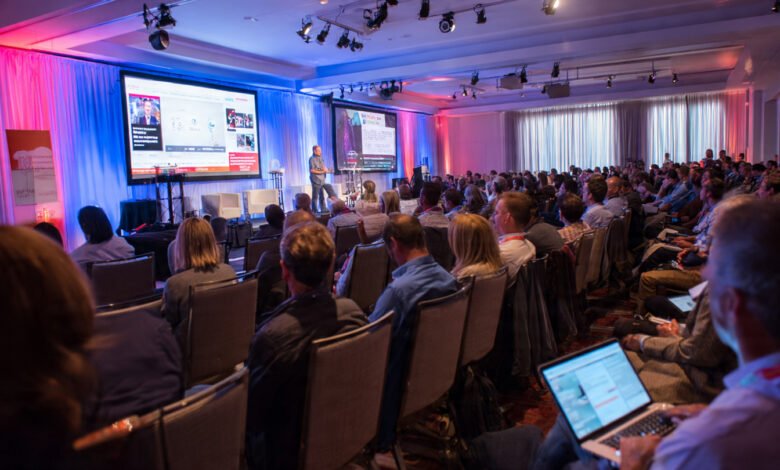
Presenting at a tech conference is a transformative career opportunity that extends far beyond the stage. Whether you’re an emerging developer eager to share your first insights or a seasoned professional looking to establish thought leadership, securing a conference speaking slot requires strategy, preparation, and the selection process. The journey from an aspiring speaker to a featured presenter begins with mastering the Call for Papers (CFP) system—a process that can initially seem daunting but becomes increasingly manageable with the right approach. In today’s competitive tech landscape, where major tech conferences receive hundreds of submissions for limited speaking positions, standing out demands more than just a good idea.
It requires crafting a compelling proposal, which reviewers seek, and positioning yourself strategically within the conference ecosystem. This comprehensive guide will walk you through every essential step of getting accepted at tech conferences, from identifying the right events to delivering a speaker proposal that captures the attention of selection committees. By the end, you’ll understand not just how to submit a talk, but how to dramatically increase your chances of acceptance.
The tech conference speaking landscape has evolved significantly, becoming more inclusive and welcoming to speakers at all experience levels. No longer reserved exclusively for industry celebrities and major open-source contributors, opportunities abound for passionate technologists who approach the CFP process strategically and thoughtfully.
The Call for Papers (CFP) Process
The Call for Papers represents the formal invitation that tech conferences extend to potential speakers. This critical process is your first step toward getting accepted at major industry events. A CFP is essentially a request from conference organizers seeking presentation proposals that align with their event’s themes and audience expectations. Think of it as an open audition where anyone with valuable knowledge and the courage to apply can potentially secure a speaking opportunity.
The typical CFP timeline begins three to six months before the actual conference. Organizers announce the topics they’re seeking, outline submission requirements, and set firm deadlines—usually 2-3 months before the event. Most tech conferences utilize platforms like Sessionize, PaperCall, or custom submission systems to manage the influx of proposals.
The process typically involves submitting a catchy title, an engaging abstract, a detailed description, and sometimes video samples of your speaking experience. During the review phase, a panel of subject matter experts evaluates these proposals Tech Conference based on relevance, educational value, speaker expertise, and alignment with conference themes. This evaluation process is where the reviewer’s priorities become invaluable for crafting an accepted proposal.
Why Submitting Multiple Tech Conference Proposals Increases Acceptance Rates
One of the most effective strategies for getting accepted at tech conferences is embracing a numbers-based approach. Rather than submitting a single proposal to your dream conference, successful speakers apply to multiple events simultaneously. Industry research shows that tech conference acceptance rates typically hover between 10-25%, meaning even excellent proposals face rejection. By submitting proposals to numerous conferences aligned with your expertise, you significantly increase the probability of landing speaking engagements.
This multi-submission strategy serves several purposes. First, it acknowledges the reality that no two conference organizers share identical selection criteria. What one committee deems essential, another might overlook. Second, multiple submissions generate momentum and feedback. Rejection letters, when available, often contain constructive criticism that helps refine future proposals Tech Conference. Third, this approach reduces the emotional sting of individual rejections. Treating conference submissions as a portfolio activity rather than a single high-stakes endeavor creates the psychological resilience necessary for persistent speaking pursuits. Many experienced speakers report submitting the same core talk to dozens of conferences over time, gradually refining their proposals based on acceptance patterns and feedback received.
Selecting the Right Tech Conferences for Your Expertise



Not every tech conference represents an ideal fit for your expertise and speaking goals. Strategic conference selection dramatically impacts your acceptance probability. Begin by identifying your core areas of knowledge—the technologies, methodologies, or soft skills where you bring genuine value. Create a list of 10-15 tags or topics representing your expertise, then brainstorm 3-4 talk ideas that could become actual presentations. This foundational clarity prevents scattered submissions and increases thematic coherence across your proposals Tech Conference.
Next, research conferences that align with your identified topics. If you specialize in Python development, explore all major PythonConfs, but also investigate broader events like Techorama or VoxxedDays that welcome Python content. JavaScript specialists might target JavaScript-specific events while also considering web development and full-stack conferences. Review the websites and program schedules of previous years’ conferences to understand accepted talks and speaker profiles. Do their topics match your expertise? Does their audience level—introductory, intermediate, or advanced—align with your speaking style? This research investment prevents wasted effort on a misaligned Tech Conference.
Geographic proximity matters too, especially when beginning your speaking journey. Local and regional tech conferences often prefer speakers who won’t require extensive travel compensation. Once you’ve established credibility through local and national speaking engagements, applying internationally becomes more viable. Platforms like Confs. Tech and CFPLand maintain comprehensive databases of open calls for papers, making conference discovery significantly easier than previous generations of speakers experienced.
Crafting a Compelling Talk Title for Maximum Impact
Your talk title is the first element selection committees evaluate, and it often determines whether reviewers read your full proposal. An exceptional Tech Conference speaker title must accomplish multiple objectives simultaneously: it should be specific enough to communicate genuine content, interesting enough to attract attendees to your session, and memorable enough to stand out among hundreds of competing proposals.
Avoid overly vague titles that could apply to dozens of different talks. Rather than “Introduction to Python,” consider “Building Production-Grade Python Applications: Lessons from 100,000-User Deployments.” The first title tells reviewers nothing about your unique angle or expertise. The second immediately conveys both specificity and credibility. Similarly, resist the temptation to become so clever with wordplay that your talk’s actual content becomes unclear. Reviewers are busy professionals reading rapidly through numerous submissions—ambiguity works against you, not for you.
The most effective Tech Conference speaker titles communicate a clear value proposition in 6-10 words. They indicate whether your talk focuses on fundamental concepts or advanced techniques. They hint at the problems your presentation solves. When your title works in conjunction with your abstract, it creates a compelling narrative that makes selection committee members eager to learn more. Remember: your title will eventually appear in the conference program, so it needs to appeal not just to reviewers but to potential attendees making schedule decisions as well.
Writing an Abstract That Gets Your Proposal Accepted
The proposal abstract is arguably the most critical component of your CFP submission. While your title catches attention, your abstract determines whether it gets serious consideration. Conference organizers emphasize that proposals fail most often due to vague or unfocused abstracts that leave reviewers uncertain about actual content. Your abstract should succinctly outline the problem your talk addresses, the solution you propose, and the key takeaways for attendees.
Structure your abstract using a problem-solution-benefit framework. Begin with a clear problem statement that resonates with your target audience: “Many teams struggle with database performance degradation as applications scale, leading to user experience problems and technical debt.” Then introduce your solution: “In this session, we’ll explore proven indexing strategies and query optimization techniques that solved these problems for teams managing petabyte-scale data environments.” Finally, emphasize tangible benefits: “You’ll learn practical optimization approaches applicable to your current projects and leave with a checklist for identifying performance bottlenecks before they impact production systems.”
Keep your abstract to 150-250 words—enough to provide substance without overwhelming reviewers reading dozens of submissions. Most importantly, emphasize why attendees should invest their time in your talk, not just what technologies you’ll cover. Successful proposals focus on transformative outcomes: “After this session, you’ll be able to architect microservices that reduce deployment time by 70%” proves more compelling than “We’ll discuss microservices architecture patterns.” Remember that your abstract may eventually appear in the conference program, influencing attendees’ decisions to attend your session. Write it with both reviewers and potential attendees as your audience.
Detailed Description: Expanding Your Talk Proposal
Once you’ve crafted an excellent abstract, the detailed description section allows you to expand significantly on your proposal. This is where you provide context, demonstrate expertise, and convince selection committees that you’re the right person delivering this talk. Conference committees repeatedly emphasize that many proposals fail by under-utilizing this critical section.
Your detailed description should expand on how your talk fits into the conference’s overall agenda while showcasing your unique perspective. Rather than simply repeating abstract content in different words, provide additional detail about your presentation structure, key concepts you’ll explore, and real-world examples you’ll share. If you’ve solved the problem you’re discussing at scale in production environments, say so explicitly. If you’ve consulted with dozens of companies facing similar challenges, mention it. This context helps reviewers understand why you bring credibility and authenticity to the topic.
Include information about your target audience level—is this for beginners just encountering the concept, intermediate practitioners seeking to deepen skills, or advanced specialists exploring cutting-edge approaches? Indicate whether your session includes live demonstrations, interactive exercises, or other engaging formats beyond slides. Finally, use this space to articulate why you’re passionate about this topic and why sharing it at this particular Tech Conference matters to you. Authentic passion translates through text and resonates with selection committees seeking speakers who genuinely care about helping attendees.
Building Social Proof and Speaker Credibility
Selection committees don’t evaluate proposals in isolation—they assess speakers themselves. If you’re submitting to a tech conference for the first time, the absence of previous speaking experience creates an obvious credibility gap. Building social proof systematically improves your acceptance odds across submissions.
Start by securing speaking opportunities at lower-stakes venues: local meetups, brown bag lunches at your employer, workshops, or code camps. These local speaking engagements provide multiple benefits. You develop and refine your presentation in supportive environments before national Tech Conference audiences. You create video recordings of yourself presenting, which many conference CFPs request. You build a portfolio of speaking credits you can reference in future proposals. Many successful speakers report that their journey began with one 30-minute local talk that eventually led to conference speaking opportunities.
Additionally, build your professional brand beyond speaking. Maintain an active blog discussing your technical expertise. Contribute meaningfully to open-source projects. Develop a substantial social media presence, sharing insights in your field. Speak at your company’s internal events. These activities establish you as a thoughtful contributor to your industry, increasing the likelihood that selection committees recognize your name as credible when reviewing your proposal. When conference organizers can verify that you’ve built an audience and demonstrated speaking ability, your proposal gains significant advantages in competitive selection processes.
Leveraging Video Samples to Strengthen Your Proposal
Many tech conferences—particularly competitive major events—request or strongly prefer video samples of your previous speaking engagements. If you lack previous Tech Conference experience, providing a quality video sample can dramatically improve your acceptance likelihood. The video doesn’t need to show a perfect performance; selection committees seek evidence that you can engage an audience and communicate clearly.
If you don’t have existing presentation recordings, create one. Set up your camera to record yourself delivering a 5-10 minute portion of your proposed talk. Wear professional attire, use slides, and present as if you’re addressing a real audience. While the production quality doesn’t need to be broadcast-grade, ensure the audio is clear and the video is properly framed. Upload your video to YouTube or Vimeo and include the link in your CFP submission. This proactive approach shows selection committees that you’re serious and prepared.
Include a brief note in your proposal explaining the video’s context: “The included video shows me presenting a 10-minute excerpt of this talk at [Company Name]’s monthly tech talks in [Month/Year].” This transparency sets proper expectations. Reviewers understand they’re not watching a polished keynote but rather a genuine representation of your presenting ability. For first-time conference speakers, this single addition often represents the difference between rejection and acceptance.
Avoiding Common CFP Submission MistakWhathat that rejection looks like helps you avoid the patterns that eliminate proposals before serious consideration. Conference organizers who review hundreds of submissions identify consistent mistakes that doom otherwise promising talks.
First among these mistakes is submitting vague or overly broad proposals. “Advanced Web Development Techniques” tells reviewers nothing about your specific focus. Are you discussing security? Performance? Testing? Framework selection? A specific problem statement—”Preventing XSS Vulnerabilities in Single-Page Applications Built with React”—immediately clarifies your talk’s scope and value. Vagueness suggests you haven’t fully developed your talk idea, raising doubts about delivery quality.
Second, many proposals read as barely-disguised product pitches. Conference attendees come to learn from practitioners sharing genuine insights, not salespeople promoting commercial solutions. If your talk essentially describes why people should buy your company’s product, expect rejection. However, you can absolutely discuss your product’s context: “How Our Company Reduced Database Latency by 80%: The Engineering Decisions Behind Our Performance Optimization Platform” frames valuable insights around your product without devolving into marketing.
Third, failing to tailor proposals to specific conference themes represents a critical error. Each conference focuses on particular topics and attracts specific audience segments. Submit the same generic proposal to JavaScript and DevOps conferences and expect poor results. Instead, customize your proposal to each event, emphasizing elements relevant to that conference’s audience. If submitting to a JavaScript conference, emphasize JavaScript-specific patterns. If submitting to a DevOps conference, emphasize deployment and operational concerns.
Fourth, many proposals fail to clearly articulate attendee takeaways. Reviewers ask: What will attendees be able to do differently after your session? What problems can they solve? What will they build faster or more effectively? Explicitly stating takeaways—”You’ll leave this session with specific guidelines for analyzing query execution plans and a checklist for identifying optimization opportunities”—demonstrates that you’ve thought deeply about value delivery.
Finally, neglecting to follow the CFP form instructions eliminates numerous proposals. Some conference CFPs request videos, previous speaker links, or specific information in particular fields. Ignoring these requirements signals carelessness and often results in automatic rejection. Read CFP instructions thoroughly and complete every requested field thoroughly.
Timing Your Submissions and Managing the Selection Process

Strategic timing around CFP deadlines influences acceptance probability in subtle but meaningful ways. Most conference CFPs receive heavy submission volume in the final week before closure. The risk of this timing is that technical glitches could prevent submission, or your proposal might get buried in the avalanche of last-minute submissions.
Consider submitting 2-3 weeks before the CFP deadline instead. Your proposal still appears fresh and new to reviewers but avoids the last-minute crunch. You preserve time to address technical issues if the submission fails. You signal commitment by planning rather than scrambling at the last minute. Many conference organizers begin reviewing proposals before the deadline closes anyway, giving early submissions competitive advantages.
Expect the selection process to take 4-8 weeks from CFP closure to notification. During this waiting period, continue building your speaking credentials and refining your talk ideas. Don’t assume silence means rejection; conferences often notify accepted speakers first, leaving rejected candidates in extended limbo. Some conferences—unfortunately—never explicitly notify rejected speakers, leading to uncertainty. If you haven’t received notification within the stated timeline, follow up with a polite inquiry, but prepare for possible rejection.
When rejection occurs—and it will, even for exceptional speakers—request feedback if the conference offers it. Why your proposal wasn’t selected helps you refine future submissions. Did reviewers judge it too advanced for the audience? Too similar to existing sessions? Did your abstract lack clarity? This constructive criticism, while initially discouraging, accelerates your development as a conference speaker more than acceptance ever could.
Conference Selection Committee Priorities
Success in the CFP process requires understanding how selection committees actually evaluate proposals. Rather than treating your submission as one voice shouting into the void, appreciate that you’re communicating with specific people using defined evaluation criteria.
Most tech conferences prioritize four core factors. First is relevance and timing: does your talk address topics the conference audience cares about right now? Second is educational value: will attendees learn something meaningful and applicable? Third is speaker expertise and credibility: do you demonstrate genuine mastery of the topic? Fourth is engagement potential: will your presentation captivate and energize attendees rather than bore them?
Many conferences also value diversity and fresh perspectives. If previous years’ sessions focused heavily on certain topics or featured similar speaker profiles, proposals from underrepresented groups often receive favorable consideration. This isn’t preference but rather an intentional effort to create diverse, inclusive conference experiences that serve broader audiences. If your background, perspective, or experience offers a unique angle on your topic, highlight it in your proposal.
Some conferences explicitly weigh speaker platform and promotional reach. Given two equally strong proposals, the speaker with a larger social media following or greater ability to promote the event receives preference. Conference organizers recognize that popular speakers attract attendees and generate social media buzz. While not explicitly stated in all CFPs, this priority shapes selections at many major conferences. If you have substantial Twitter followers, active blog readership, or other audience reach, mentioning this context in your proposal reminds reviewers of your promotional value.
Preparing for Acceptance and Beyond
Once you receive that acceptance email, the real work begins. Many new speakers assume acceptance is the finish line, but it’s actually the midpoint of your conference speaking journey. Conference organizers expect rapid confirmation of acceptance and detailed slides typically 4-6 weeks before the event.
Begin by delivering polished, professional slides. Avoid text-heavy presentations; instead, use minimal text with compelling visuals that support your narrative. Practice your talk numerous times—ideally before supportive audiences at meetups or colleague groups. Record practice runs to identify pacing issues, excessive verbal fillers, and opportunities for improvement. The practice investment pays dividends in stage presence and delivery confidence.
Engage actively with conference organizers and fellow speakers. Many conferences create speaker communication channels where you’ll find community, advice, and camaraderie. Attend sessions by other speakers you admire, noting their techniques and approaches. Network genuinely with attendees before, during, and after your presentation. Volunteer for panels or informal Q&A sessions. Speakers who go beyond their scheduled talk slot to engage with the Tech Conference community often receive follow-up speaking invitations.
Finally, collect post-presentation feedback and testimonials. If the conference distributes speaker evaluation forms, read them carefully. Request attendee feedback via social media or follow-up emails. Encourage people who particularly valued your talk to provide quotes you can reference in future CFP submissions. This feedback becomes valuable social proof for future proposals.
More Read: How to Get the Most Out of Tech Conferences
Conclusion
Securing a speaking slot at a tech conference requires the CFP process, crafting compelling proposals, building speaker credibility, and persisting through rejection. Success emerges not from a single perfect submission but from systematic effort across multiple Tech Conference proposals, strategic Tech Conference selection aligned with your expertise, and continuous refinement based on feedback and acceptance patterns.
The tech conference speaking landscape increasingly welcomes speakers at all experience levels—you need not be a famous open-source maintainer or prominent industry figure to secure speaking opportunities. By focusing on clear value articulation, authentic expertise, and professional presentation of your ideas, you position yourself for acceptance at the conferences that matter most to your career. The stage awaits; now go craft that proposal and claim your place among the speakers shaping the future of technology.