Robotics Jobs That Don’t Require an Engineering Degree
Robotics jobs without engineering degrees: Discover accessible career paths in robotics, required skills, salaries, training options, and how to break into the field.

Robotics jobs that don’t require an engineering degree are becoming increasingly accessible as the robotics industry expands beyond research labs into manufacturing facilities, warehouses, hospitals, agriculture, and countless other sectors, transforming through automation. The common misconception that robotics careers demand advanced engineering degrees from prestigious universities prevents many talented individuals from pursuing opportunities in this exciting, rapidly growing field. While robotics engineers designing sophisticated systems typically need specialized education, the industry simultaneously demands diverse professionals in roles ranging from robot technicians maintaining equipment to automation specialists programming systems, trainers teaching others to work alongside robots, and salespeople who understand both technology and customer needs.
The robotics industry’s explosive growth—projected to reach $260 billion globally by 2030—creates thousands of new positions annually, many requiring practical skills, certifications, or associate degrees rather than four-year engineering programs. Companies deploying robots in factories, fulfillment centers, and service environments need technicians who can install, maintain, and troubleshoot equipment immediately, not spend years in theoretical study. This skills gap presents remarkable opportunities for people willing to pursue targeted training programs, hands-on certifications, and practical experience demonstrating competence with robotic systems.
Understanding which robotics careers offer accessible entry points, what alternative educational paths provide necessary qualifications, and how to position yourself competitively for these roles opens doors to fulfilling, well-compensated work in cutting-edge technology without the time and expense of traditional engineering degrees. Whether you’re a recent high school graduate exploring options, a professional seekinga career transition, or someone fascinated by robotics who assumed it was forever out of reach, numerous pathways exist into this dynamic industry.
This comprehensive guide explores specific non-engineering robotics jobs, the skills and qualifications they actually require, realistic salary expectations, training programs, and certifications that accelerate entry, and strategic steps for breaking into robotics careers without spending four years earning an engineering degree.
Understanding the Robotics Industry Landscape
The robotics industry has diversified dramatically, creating varied career opportunities beyond traditional engineering roles.
Industry Growth and Demand
Robotics adoption accelerates across multiple sectors, driving job creation in implementation, operation, and maintenance roles.
Key growth sectors:
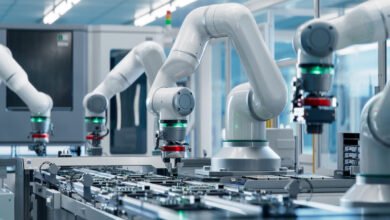
Manufacturing and industrial automation: Robots assembling products, welding, painting, and material handling in factories worldwide. This mature sector employs thousands of technicians maintaining equipment.
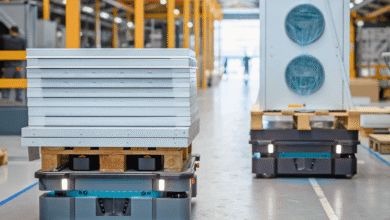
Warehouse and logistics: Amazon, FedEx, and countless distribution centers deploy robots for sorting, moving, and organizing inventory, requiring specialists to manage these systems.


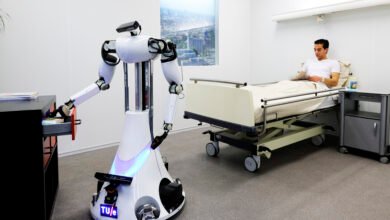
Healthcare robotics: Surgical robots, rehabilitation devices, pharmacy automation, and hospital logistics systems need trained operators and maintenance staff.
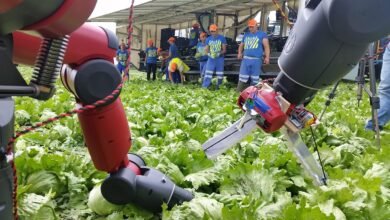
Agriculture: Automated harvesting, planting, and monitoring systems require technicians comfortable working in both agricultural and technical contexts.
Service robotics: Cleaning robots, delivery robots, hospitality robots, and customer service automation create new job categories.
According to the Bureau of Labor Statistics, robotics-related occupations are projected to grow 9-13% through 2030, faster than average for all occupations, with particularly strong demand for technicians and specialists.
The Skills Gap RealityEmployers’r challenges in finding qualified robotics workers create opportunities for non-traditional candidates.
Many companies struggle to fill robotics positions because:
- Traditional engineering graduates lack hands-on practical experience
- Experienced technicians may not have formal robotics training
- Rapid technology evolution outpaces university curriculum updates
- Geographic mismatches between training programs and job locations
This gap makes employers increasingly willing to hire candidates with demonstrated skills, relevant certifications, and practical experience, regardless of formal degree status.
Types of Robotics Work
Robotics careers span diverse functions, many accessible without engineering degrees.
Technical roles: Installing, programming, maintaining, and repairing robotic systems—hands-on work requiring practical skills more than theoretical knowledge.
Operational roles: Managing robotic systems, monitoring performance, and coordinating human-robot workflows in production environments.
Sales and customer-facing: Understanding robot capabilities to sell systems, consult with clients, and provide technical demonstrations.
Training and education: Teaching others to work safely and effectively with robotic systems.
Support roles: Quality assurance, documentation, compliance, and project coordination supporting robotics implementation.
Understanding this diversity helps identify which career paths align with your strengths, interests, and educational background.
Robotics Technician
Robotics technicians represent the most accessible entry point into robotics careers, performing hands-on installation, maintenance, and repair of robotic systems.
Job Description and Responsibilities
Robotics technicians ensure robotic systems operate reliably, troubleshooting problems and performing preventive maintenance.
Daily responsibilities:
- Installing new robotic systems following technical specifications
- Performing routine maintenance and inspections
- Diagnosing mechanical, electrical, and software problems
- Repairing or replacing defective components
- Testing systems after repairs to verify proper function
- Documenting maintenance activities and system changes
- Training operators on basic troubleshooting
- Coordinating with engineers on complex issues
The work combines mechanical skills (replacing parts, adjusting mechanisms), electrical knowledge (testing circuits, reading schematics), and basic programming (adjusting robot parameters, updating software).
Required Skills and Qualifications
Robotics technician positions typically require:
Education: High school diploma plus technical training through:
- Associate degree in robotics technology, mechatronics, or industrial maintenance (2 years)
- Certificate programs in robotics or automation (6-12 months)
- Apprenticeship programs combining work and training
Technical skills:
- Mechanical aptitude and troubleshooting ability
- Electrical systems knowledge (reading schematics, using multimeters)
- Basic programming concepts
- Understanding of pneumatics and hydraulics
- Proficiency with hand tools and precision instruments
Soft skills:
- Problem-solving under pressure
- Clear communication with engineers and operators
- Attention to detail for safety-critical work
- Continuous learning as technology evolves
Salary Expectations
Robotics technician salaries vary by industry, location, and experience.
Typical compensation:
- Entry-level: $35,000 – $45,000 annually
- Mid-career (3-5 years): $45,000 – $65,000 annually
- Experienced (5+ years): $60,000 – $80,000+ annually
Technicians in specialized industries (aerospace, medical devices) or with advanced certifications often earn premium wages.
Career Path and Advancement
Experienced robotics technicians can advance through:
- Senior technician roles with higher pay and complex assignments
- Supervisory positions managing technician teams
- Specialization in particular robot types or industries
- Transition to automation engineering with additional education
- Field service representative traveling to client sites
- Training coordinator teaching other technicians
The hands-on experience technicians gain providesa foundation for various career directions within robotics.
Automation Specialist
Automation specialists focus on programming, integrating, and optimizing robotic systems within broader production environments.
Role Overview
Automation specialists bridge the gap between robotic equipment and production requirements, ensuring systems work efficiently within existing workflows.
Key responsibilities:
- Programming robots for specific tasks and production sequences
- Integrating robots with other equipment (conveyors, sensors, quality systems)
- Optimizing robot programs for cycle time and quality
- Creating and modifying logic for robotic cells
- Troubleshooting integration issues between systems
- Testing and validating new automation implementations
- Documenting automation configurations and programs
This role requires stronger programming skills than pure technician positions but still emphasizes practical application over theoretical engineering.
Educational Pathways
Automation specialist positions accept various educational backgrounds:
Formal education options:
- Associate degree in automation technology or industrial technology
- Certificate programs in programmable logic controllers (PLCs) and robotics
- Community college technical programs
Alternative pathways:
- Promotion from operator or technician roles with demonstrated aptitude
- Military technical training (many veterans transition successfully)
- Manufacturer-specific training programs (Fanuc, ABB, Kuka certification)
- Online courses combined with hands-on practice labs
Critical knowledge areas:
- Robot programming languages (specific to manufacturers)
- PLC programming (ladder logic, function block diagrams)
- Industrial networking protocols
- Human-machine interface (HMI) design
- Safety standards and protocols
Practical Skills Development
Hands-on experience matters more than classroom theory for automation specialists.
Skill-building opportunities:
- Manufacturer training centers offering hands-on robot programming courses
- Community college labs with actual industrial equipment
- Apprenticeships with companies deploying automation
- Personal projects using affordable robot kits or simulation software
- Internships or entry-level positions providing supervised practice
Many successful automation specialists learn primarily through on-the-job training, with formal education providing foundational concepts.
Compensation and Demand
Automation specialist salaries reflect the specialized technical knowledge required:
Typical pay ranges:
- Entry-level: $45,000 – $55,000 annually
- Mid-career: $55,000 – $75,000 annually
- Senior specialist: $70,000 – $95,000+ annually
Strong demand exists across manufacturing sectors, logistics operations, and any industry implementing automation at scale.
Robotics Systems Operator
Robotics operators work directly with robotic systems in production environments, monitoring performance and making adjustments to maintain efficiency.
Operator Responsibilities
Robotics systems operators ensure automated production lines run smoothly.
Daily duties:
- Starting up and shutting down robotic systems following procedures
- Monitoring robot operation for errors or inefficiencies
- Making minor adjustments to robot programs or parameters
- Loading materials and unloading finished products
- Performing basic troubleshooting and calling technicians for complex issues
- Conducting quality checks on robot-produced work
- Maintaining cleanliness and organization in robotic work cells
- Recording production data and incidents
Operators need less technical depth than technicians but must understand system function well enough to recognize abnormalities and respond appropriately.
Entry Requirements
Robotics operator positions offer the most accessible entry into robotics careers.
Typical requirements:
- High school diploma or equivalent
- Basic computer literacy
- Mechanical aptitude
- Ability to follow detailed procedures
- Attention to detail
- On-the-job training provided by employer (2-6 weeks typically)
Some employers prefer candidates with manufacturing experience or technical training, but many hire entry-level workers and train them specifically for their robotic systems.
Career Development
Operators can advance through:
- Senior operator roles with additional responsibilities
- Lead operator supervising others
- Transition to technician with additional technical training
- Specialization in complex robotic systems
- Process improvement roles identifying optimization opportunities
Starting as an operator provides invaluable exposure to robotic systems while earning income, creating a foundation for advancement.
Salary Information
Robotics operator compensation:
Pay ranges:
- Entry-level: $30,000 – $40,000 annually
- Experienced operator: $40,000 – $55,000 annually
- Lead/senior operator: $50,000 – $65,000 annually
Many operators work in manufacturing facilities offering shift differentials for evening and weekend work, significantly increasing take-home pay.
Robotics Integration Specialist
Integration specialists focus on connecting robotic systems with existing equipment, software, and processes within customer facilities.
Integration Work Explained
Robotics integration involves making different systems work together harmoniously.
Integration tasks:
- Assessing customer facilities to determine integration requirements
- Designing layouts for robotic work cells
- Coordinating with equipment vendors and contractors
- Programming communication between robots and other systems
- Testing integrated systems thoroughly before production
- Training customer personnel on integrated workflows
- Providing ongoing support during production ramp-up
Integration specialists need broad technical knowledge across multiple systems rather than deep expertise in single areas.
Skills and Background
Successful integration specialists typically have:
Education:
- Technical associate degree in industrial technology or automation
- Certificate programs in industrial maintenance or mechatronics
- Self-taught skills developed through work experience
Technical competencies:
- Understanding of various robot manufacturers’ systems
- PLC programming and industrial networking
- Mechanical and electrical troubleshooting
- Project management fundamentals
- CAD software for layout design
- Safety standards and risk assessment
Professional skills:
- Customer communication and expectation management
- Problem-solving when integration challenges arise
- Time management for multi-project environments
- Documentation skills for system configurations
Training and Certification
Integration specialists benefit from:
Manufacturer certifications: Fanuc, ABB, Kuka, and other robot manufacturers offer certification programs teaching their systems’ integration.
Industry certifications: Robotics Industries Association offers Certified Robotics Integration Specialist credentials, validating knowledge.
PLC training: Allen-Bradley, Siemens, and other PLC manufacturers provide programming and networking courses.
Safety certification: OSHA training and robot safety standards knowledgeare critical for integration work.
Many integration specialists develop skills through years of hands-on work rather than formal education, though certifications enhance credibility with customers.
Career Prospects
Integration specialist opportunities:
Employment settings:
- System integration companies specializing in automation
- Robot manufacturers’ integration services divisions
- Large manufacturing companies with internal integration teams
- Independent consulting supporting multiple clients
Compensation:
- Early career: $50,000 – $65,000 annually
- Mid-career: $65,000 – $85,000 annually
- Senior specialist: $80,000 – $110,000+ annually
Integration work often involves travel to customer sites, which some professionals enjoy while others find it challenging.
Robotics Sales and Applications Engineering
Robotics sales roles combine technical knowledge with business development, helping customers identify and implement appropriate automation solutions.
Sales Engineering Responsibilities
Robotics sales engineers serve as technical consultants during the sales process.
Key activities:
- Assessing customer needs and production challenges
- Recommending appropriate robotic solutions
- Creating technical proposals and cost justifications
- Demonstrating robot capabilities through simulations or trials
- Collaborating with integration teams on project specifics
- Providing ongoing technical support to sales teams
- Conducting customer training on new systems
- Maintaining relationships with existing customers for future opportunities
This role requires sufficient technical understanding to earn customer trust while focusing on business outcomes rather than engineering details.
Required Knowledge and Skills
Successful robotics sales professionals need:
Technical foundation:
- Broad understanding of robotics capabilities and limitations
- Familiarity with various industries’ automation needs
- Basic knowledge of robot programming and integration
- Understanding of return-on-investment calculations for automation
Sales skills:
- Relationship building and networking
- Needs assessment and consultative selling
- Presentation and demonstration abilities
- Negotiation and closing techniques
- CRM software proficiency
Background:
- A technical associate degree or certification is often sufficient
- Experience in manufacturing, technical sales, or robotics operations
- Some companies hire and train candidates with strong sales aptitude but a limited technical background
Compensation Structure
Robotics sales positions often offer the highest earning potential among non-engineering robotics jobs.
Typical compensation:
- Base salary: $50,000 – $80,000 annually
- Commission: Variable, often $20,000 – $60,000+ annually
- Total compensation: $70,000 – $140,000+ annually for successful salespeople
Top performers in robotics sales can exceed $200,000 annually through commissions on large automation projects.
Career Path
Robotics sales professionals can advance to:
- Senior sales engineer handling larger accounts
- Sales management leading teams
- Regional or national sales leadership
- Product management influences future robot development
- Business development, creating new market opportunities
The combination of technical knowledge and business acumen makes experienced robotics sales professionals highly valuable.
Robotics Trainer and Technical Instructor
Robotics trainers teach others to work safely and effectively with robotic systems, serving both companies deploying automation and educational institutions.
Training Role Overview
Robotics trainers develop and deliver education on robotic systems operation, programming, and maintenance.
Responsibilities:
- Creating training materials and curricula for different audiences
- Conducting hands-on training sessions with actual robots
- Developing simulation-based training for safe learning
- Assessing trainee competency and providing feedback
- Updating training content as technology evolves
- Customizing training for specific industries or applications
- Providing ongoing support to trainees after initial training
Trainers need sufficient technical knowledge to answer questions and troubleshoot issues, but focus primarily on pedagogy and knowledge transfer.
Qualifications and Experience
Robotics trainer positions require:
Background:
- Several years of hands-on robotics experience (technician, operator, or integration)
- Associate degree ina technical field or equivalent experience
- Teaching or training experience (formal or informal)
- Certifications in robotics systems are being taught
Teaching skills:
- Ability to explain technical concepts clearly to varied audiences
- Patience with learners at different skill levels
- Curriculum development capabilities
- Assessment and evaluation expertise
- Classroom management for hands-on environments
Many successful trainers transition from technician or operator roles after developing deep practical knowledge and discovering they enjoy helping others learn.
Work Environments
Robotics trainers work in:
Corporate training departments: Large companies deploying robotics extensively employ dedicated trainers for internal workforce development.
Robot manufacturers: Equipment vendors provide customer training as part of sales and support.
Community colleges and technical schools: Educational institutions teach robotics to students pursuing careers in the field.
Independent training companies: Specialized firms offer robotics education to multiple clients.
Consulting: Experienced trainers provide customized education on a contract basis.
Compensation and Benefits
Robotics trainer salaries:
Pay ranges:
- Entry-level trainer: $45,000 – $60,000 annually
- Experienced trainer: $60,000 – $80,000 annually
- Senior trainer/curriculum developer: $75,000 – $100,000+ annually
Educational institution positions often provide additional benefits (retirement plans, time off), offsetting slightly lower cash compensation compared to corporate roles.
Alternative Education and Training Pathways
Robotics careers become accessible through various educational routes beyond traditional engineering degrees.
Community College Programs
Community colleges offer affordable, practical robotics education.
Program types:
Associate degrees in robotics technology: Two-year programs combining theory with extensive hands-on training using actual industrial equipment. Graduates qualify for technician and specialist roles.
Certificate programs: Shorter focused programs (6-18 months) teaching specific skills like robot programming, PLC programming, or mechatronics.
Cost advantage: Community college programs typically cost $5,000-$15,000 total compared to $40,000+ for four-year engineering degrees, with similar or better job placement for technical positions.
Industry partnerships: Many community colleges partner with local manufacturers, providing internships and direct hiring pipelines.
Manufacturer Training and Certification
Robot manufacturers offer comprehensive training programs teaching their systems.
Major manufacturer programs:
Fanuc America: Offers courses from basic operation through advanced programming and maintenance. Certifications validate competency on Fanuc robots dominant in North American manufacturing.
ABB Robotics: Training centers worldwide teach ABB system programming, integration, and maintenance.
Kuka Robotics: Offers operator, programmer, and maintenance training with various certification levels.
Universal Robots: Provides online and in-person training on collaborative robots (cobots), growing in popularity.
Investment: Manufacturer training courses typically range from $1,000-$5,000 per certification, far less than a degree program, ms while directly applicable to employment.
Online Learning Platforms
Online education provides flexible, affordable robotics learning options.
Valuable platforms:
Coursera and edX: University courses from institutions like the University of Pennsylvania and Columbia, offering robotics fundamentals, often with certificates.
Udemy: Practical courses on specific robot programming, PLC programming, and automation topics at affordable prices ($10-$200).
LinkedIn Learning: Professional development courses covering industrial automation, robot programming, and related skills.
RobotStudio and similar simulators: Free or low-cost software from manufacturers allowing robot programming practice without physical equipment.
Limitation: Online learning requires self-discipline and provides limited hands-on experience with actual equipment, best combined with other practical training.
Apprenticeships and On-the-Job Training
Apprenticeship programs combine paid work with structured training.
Apprenticeship benefits:
- Earn while learning instead of paying tuition
- Gain practical experience employers value
- Often leads directly to permanent employment
- Provide mentorship from experienced professionals
According to the U.S. Department of Labor, registered apprenticeships in advanced manufacturing and mechatronics provide pathways to middle-class careers without student debt.
Finding apprenticeships:
- Large manufacturers often maintain formal programs
- State workforce development agencies list opportunities
- Robot manufacturers and system integrators offer apprenticeships
- Labor unions in some regions provide robotics apprenticeship programs
Military Technical Training
Veterans often possess relevant skills from military technical training.
Applicable military experience:
- Aviation maintenance and electronics
- Naval nuclear power and engineering
- Army maintenance and communications systems
- Air Force precision equipment maintenance
Many employers actively recruit veterans with technical military training, recognizing the discipline, attention to detail, and complex system experience that military service develops.
Essential Skills for Non-Engineering Robotics Careers
Success in robotics jobs requires developing specific technical and professional competencies.
Technical Skills to Develop
Foundational technical knowledge:
Mechanical systems: Understanding of motors, gears, bearings, belts, chains, and how mechanical components work together.
Electrical fundamentals: Ability to read schematics, use multimeters, understand voltage/current/resistance, and troubleshoot electrical issues.
Programming basics: Logical thinking, understanding of sequence and conditional logic, and familiarity with at least one programming language or robot-specific language.
Pneumatics and hydraulics: Knowledge of compressed air and fluid power systems common in industrial robotics.
Safety standards: Understanding of lockout/tagout procedures, robot safety zones, emergency stops, and industry safety regulations.
Computer proficiency: Comfort with various software interfaces, diagnostic tools, and documentation systems.
Soft Skills That Matter
Professional capabilities distinguishing successful robotics professionals:
Problem-solving: Systematic troubleshooting approaches when systems malfunction or perform unexpectedly.
Communication: Explaining technical issues to non-technical stakeholders and collaborating with engineers and operators.
Continuous learning: Technology evolves rapidly; willingness to learn new systems and techniques throughout your career.
Attention to detail: Small errors in robotics can cause expensive damage or safety hazards.
Adaptability: Different companies use different equipment and processes; flexibility helps you succeed across environments.
Time management: Balancing preventive maintenance, emergency repairs, and project work simultaneously.
Building Practical Experience
Gaining hands-on experience before landing your first robotics job:
Personal projects: Building robot kits (Arduino, Raspberry Pi-based projects) demonstrates initiative and develops skills.
Volunteer opportunities: Offering technical skills to schools, makerspaces, or nonprofits provides practical experience and networking.
Internships: Even unpaid internships provide invaluable exposure to industrial robotics environments.
Side work: Offering maintenance or technical assistance to small manufacturers needing occasional robotics support.
Competitions: Robotics competitions (FIRST Robotics, etc.) showcase skills to potential employers while developing problem-solving abilities.
Breaking Into Robotics: Practical Steps
Launching a robotics career without an engineering degree requires strategic planning and execution.
Research and Career Planning
Understanding the robotics job market in your area:
- Identify local industries using robotics: Manufacturing, logistics, healthcare, agriculture—what sectors employ robots near you?
- Research companies hiring: Which specific companies deploy significant automation? What positions do they regularly advertise?
- Understand required qualifications: What skills and certifications appear most frequently in job postings?
- Identify training resources: What community colleges, technical schools, or manufacturer training programs are accessible to you?
- Connect with professionals: Reach out to people working in robotics roles you’re interested in (LinkedIn, professional organizations) to understand their career paths.
Educational Investment Strategy
Choosing the right training:
If you’re starting fresh, a community college associate degree in robotics technology provides a comprehensive foundation with strong employment prospects.
If you have mechanical experience, a shorter certificate program in robot programming or integration builds on existing skills.
If you have an electrical background, PLC programming and industrial networking courses fill gaps for robotics work.
If the budget is extremely limited, start with free online courses while saving for manufacturer certification programs, opening employment doors.
If currently employed: Evening or weekend certificate programs allow a career transition without income loss.
Building Your Robotics Resume
Showcasing qualifications to potential employers:
Certifications: List relevant certifications prominently with dates and credential numbers.
Relevant experience: Emphasize any hands-on technical work, even if not specifically robotics (maintenance, electrical, mechanical assembly).
Projects: Describe personal robotics projects or coursework demonstrating practical skills.
Training: Detail specific training courses, lab hours, and equipment experience.
Skills section: List specific robot manufacturers’ systems you’ve trained on, programming languages, and technical software.
Quantify accomplishments: “Reduced equipment downtime 15%” or “Completed 40+ hours hands-on robot programming” demonstrates impact.
Networking and Job Search
Finding robotics opportunities:
Job boards: Indeed, LinkedIn, and company career pages list positions, using keywords like “robotics technician,” “automation specialist,” “robot programmer.”
Staffing agencies: Specialized technical staffing firms place candidates in robotics roles, often leading to permanent employment.
Direct applications: Apply directly to companies you’ve identified as robotics users, even if no position is currently advertised.
Professional organizations: Join the Robotics Industries Association or local manufacturing associations for networking.
Career fairs: Manufacturing and technical career fairs provide face-to-face introductions to hiring managers.
Informational interviews: Request brief meetings with robotics professionals to learn about their companies and potential opportunities.
Interview Preparation
Succeeding in robotics job interviews:
Prepare for technical questions: Expect questions about troubleshooting approaches, safety procedures, and specific technical knowledge.
Demonstrate learning ability: Even if you lack experience with their specific equipment, show how you quickly learn new systems.
Emphasize reliability: Employers value dependability highly in technical roles—provide examples of consistency and responsibility.
Show problem-solving: Describe situations where you diagnosed and resolved technical issues systematically.
Ask informed questions: Research the company’s robotics systems and ask intelligent questions about their specific applications.
Highlight safety awareness: Demonstrate understanding of safety importance in robotics environments.
Future Outlook and Career Development
Robotics careers offer strong long-term prospects with opportunities for continuous advancement.
Industry Growth Projections
Robotics employment expands as automation adoption accelerates.
Growth drivers:
- Labor shortages are making automation economically attractive
- Technology improvements are reducing robot costs
- Expansion into new sectors (healthcare, agriculture, services)
- Reshoring of manufacturing to developed countries
- E-commerce growth is driving warehouse automation
These trends create sustained demand for technicians, specialists, and other non-engineering robotics professionals for decades ahead.
Continuing Education and Advancement
Long-term career development:
Certifications: Pursuing advanced certifications in specialized systems or emerging technologies (collaborative robots, vision systems, AI integration).
Cross-training: Learning multiple robot manufacturers’ systems increases versatility and value.
Specialization: Becoming an expert in specific applications (welding, painting, assembly) or industries.
Management track: Advancing to supervisory or management positions overseeing technical teams.
Engineering path: Some technicians and specialists pursue engineering degrees part-time while working, leveraging practical experience.
Consulting: Experienced professionals sometimes transition to independent consulting, serving multiple clients.
Emerging Opportunities
New robotics applications create novel career opportunities:
Collaborative robots (cobots): Systems working alongside humans require specialists in human-robot interaction.
AI integration: Robots with artificial intelligence need specialists understanding both traditional automation and AI systems.
Mobile robots: Autonomous vehicles and mobile robots in warehouses create new specialization areas.
Service robotics: Healthcare, hospitality, and customer service robots differ from industrial systems.
Agricultural robotics: Automated farming equipment combines robotics with agricultural knowledge.
These emerging areas offer opportunities to enter robotics on the ground floor of new technologies.
Conclusion
Robotics jobs that don’t require an engineering degree encompass diverse opportunities including robotics technicians maintaining and repairing systems, automation specialists programming and optimizing production equipment, systems operators monitoring robotic workflows, integration specialists connecting robots with existing infrastructure, sales engineers consulting customers on automation solutions, and trainers educating others on robotic technologies—all accessible through community college associate degrees, focused certificate programs, manufacturer certifications, apprenticeships, or on-the-job training rather than four-year engineering degrees costing $100,000+ and requiring years out of the workforce.
The critical skills for robotics careers include mechanical and electrical fundamentals, basic programming logic, systematic problem-solving abilities, and safety awareness, developed through combinations of technical education, hands-on training with actual equipment, and practical work experience that employers often value more than theoretical engineering knowledge when filling technician, specialist, and operator positions.
Breaking into robotics careers successfully requires researching local industry needs, investing strategically in relevant training and certifications that match available opportunities, building practical experience through projects or entry-level positions, and networking with professionals and companies deploying automation, recognizing that the explosive growth of robotics across manufacturing, logistics, healthcare, agriculture, and service sectors creates sustained demand for skilled technical professionals who can install, program, maintain, and optimize the robotic systems transforming virtually every industry worldwide over coming decades.